Architectural photography & commercials in Frankfurt and Düsseldorf

Authentic. Vibrant. Convincing.

Effective marketing relies on inspiring stories and credibility. Our expertise focuses on showcasing architecture, design concepts and products in a way that captures the attention of customers and industry professionals and makes them want to learn more.

Quality and authenticity are at the heart of what we do. Our goal is to create images that are a joy to look at, while also presenting a project in a detailed, clear and documentary way. From testimonial videos filmed on site to atmospheric architectural photos and artistic architectural films: we tell your project’s story in a way that resonates with people and is a pleasure to watch.

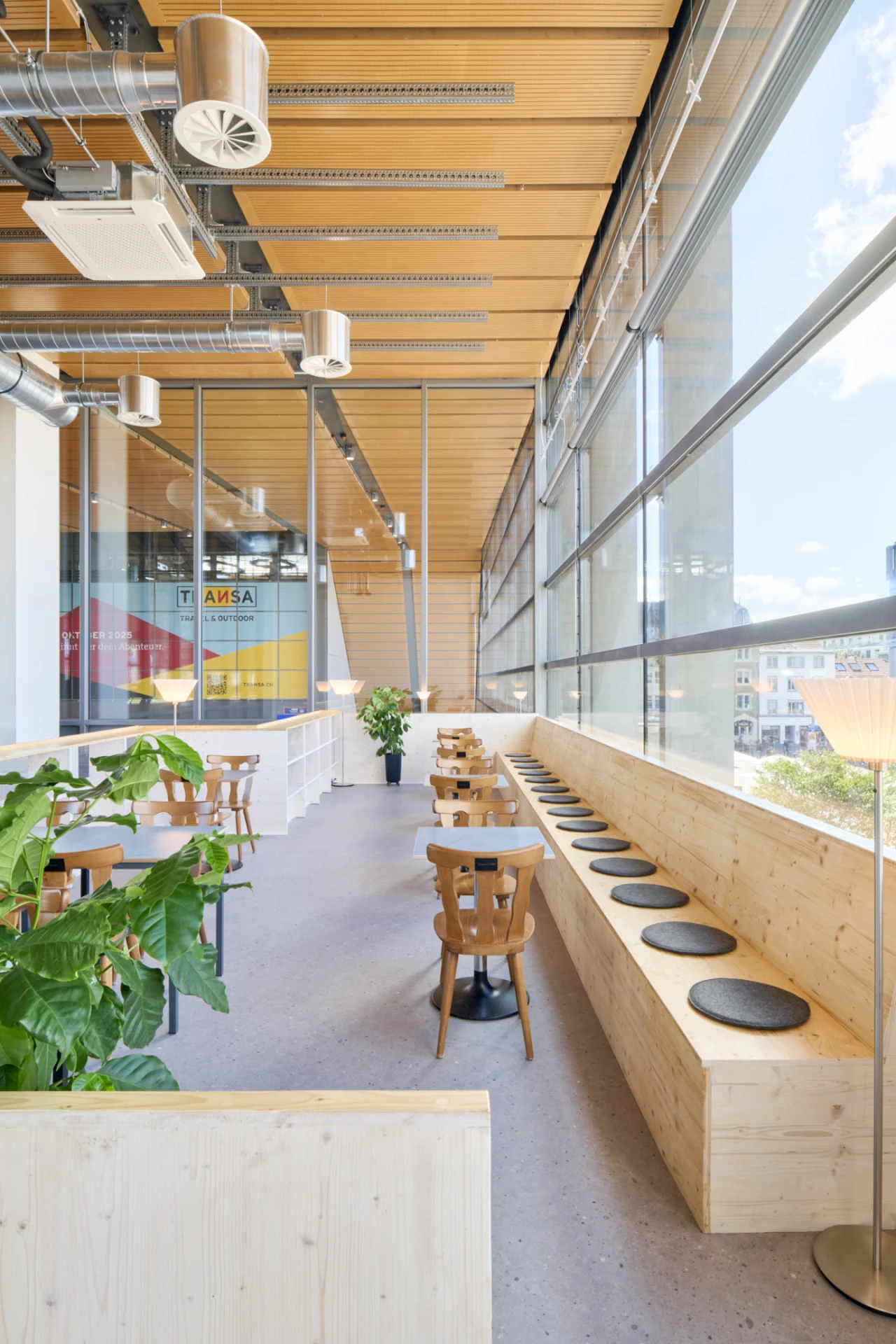
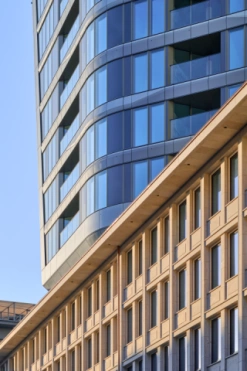
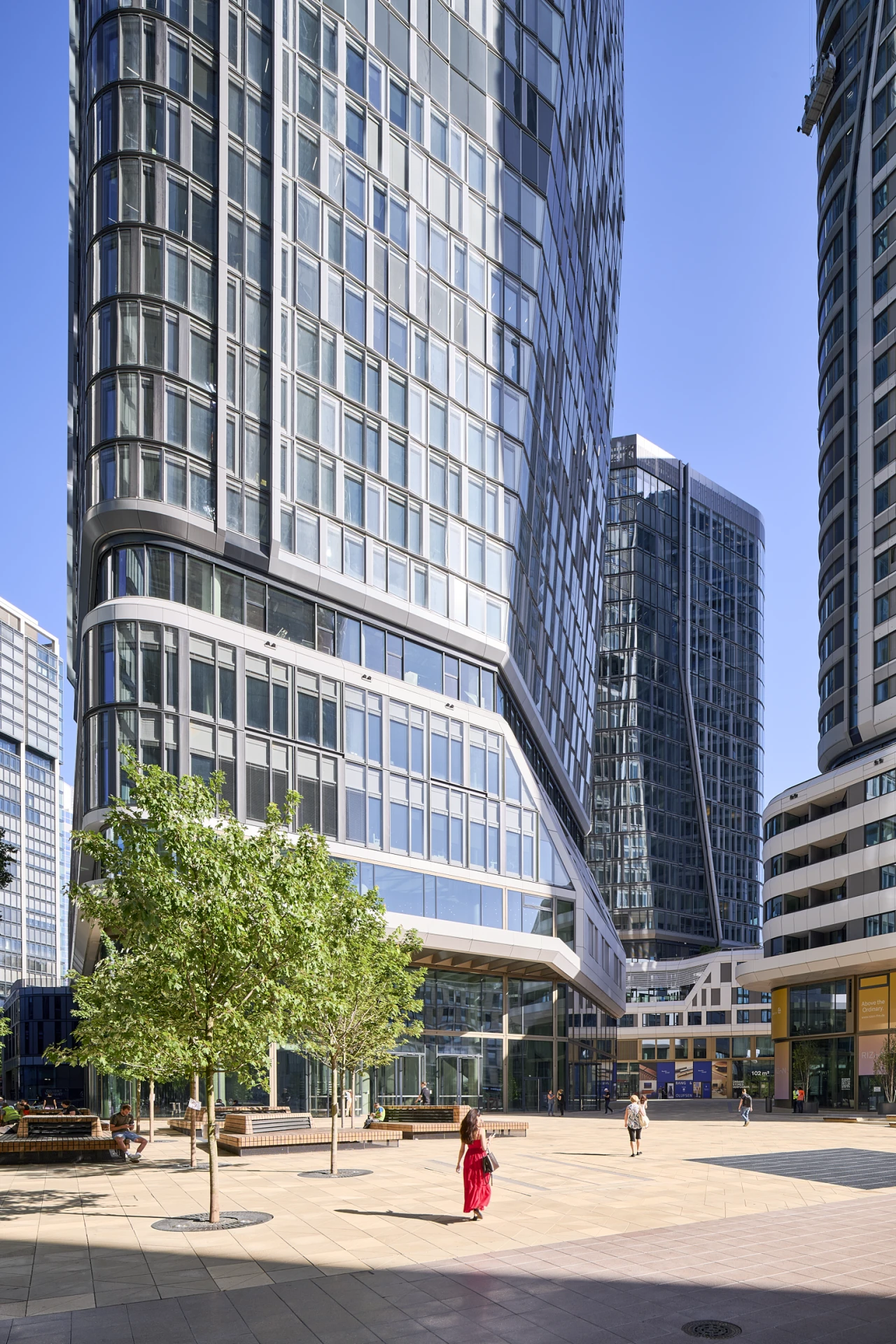
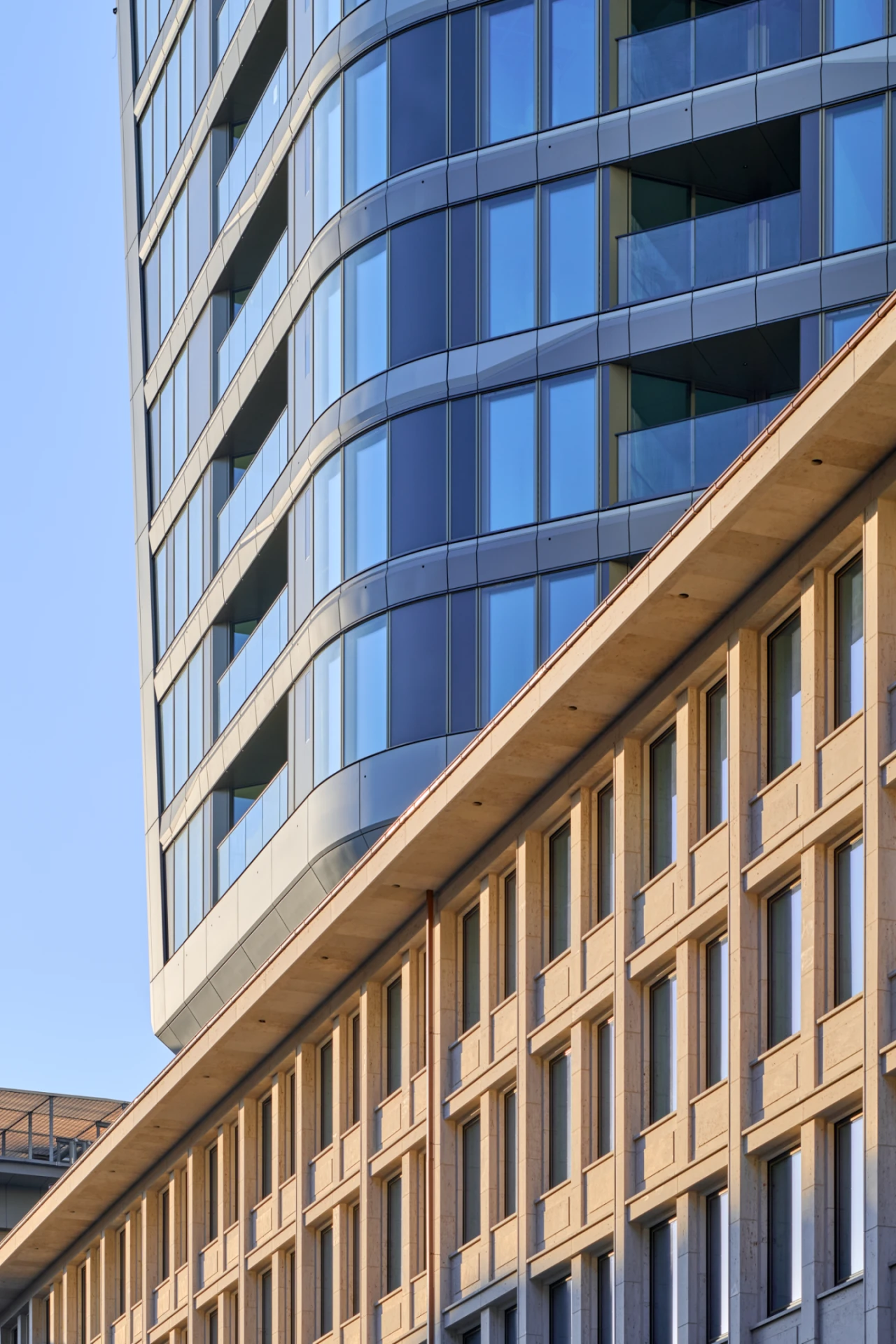
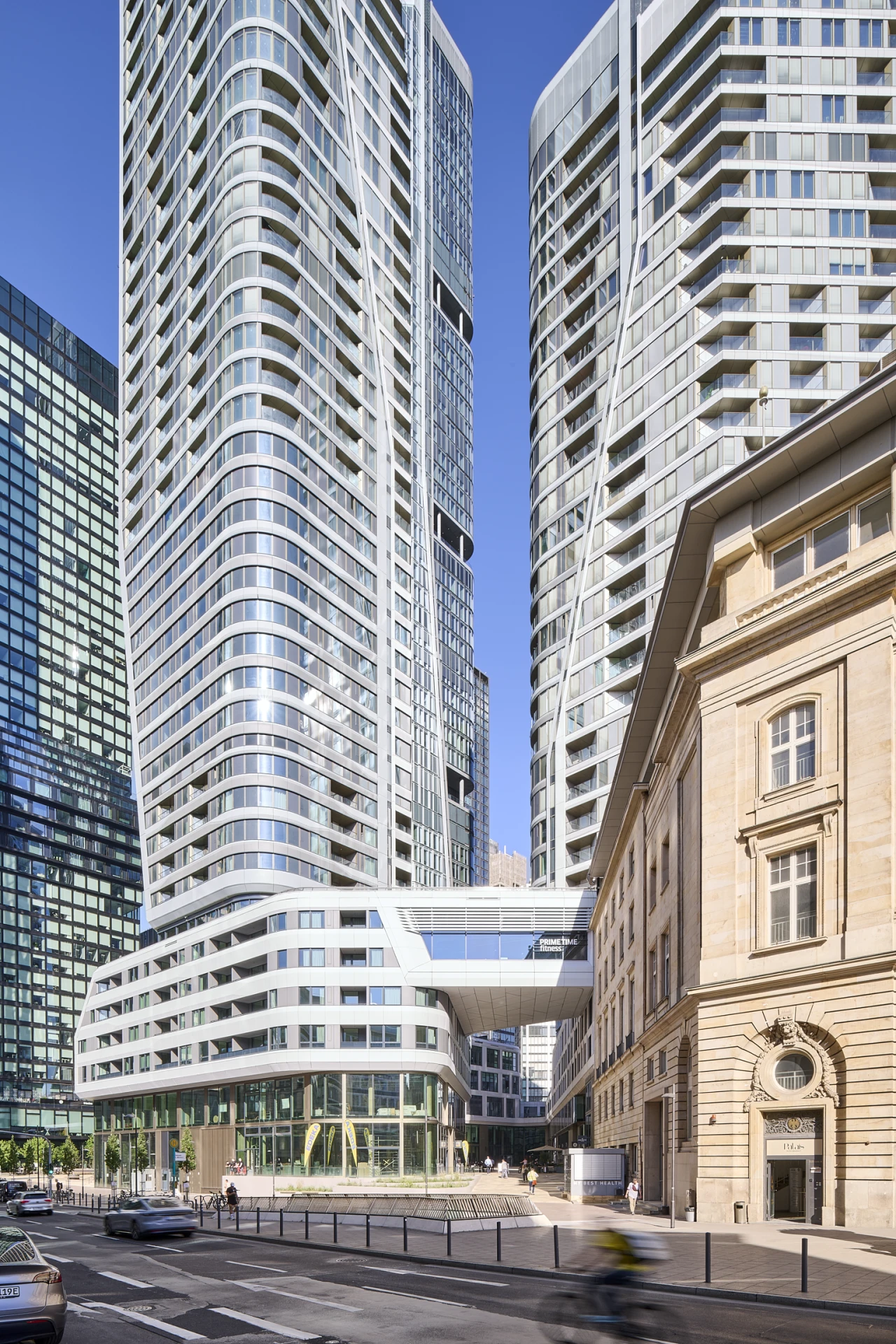
Facade detail of Tower T3 with balconies and a rounded glass corner, FOUR Frankfurt
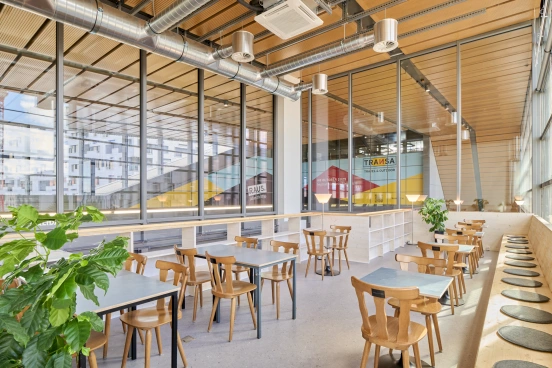
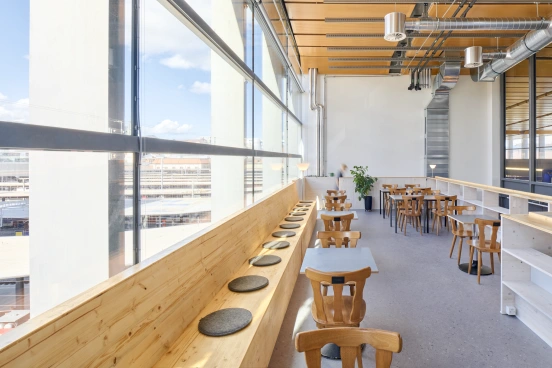
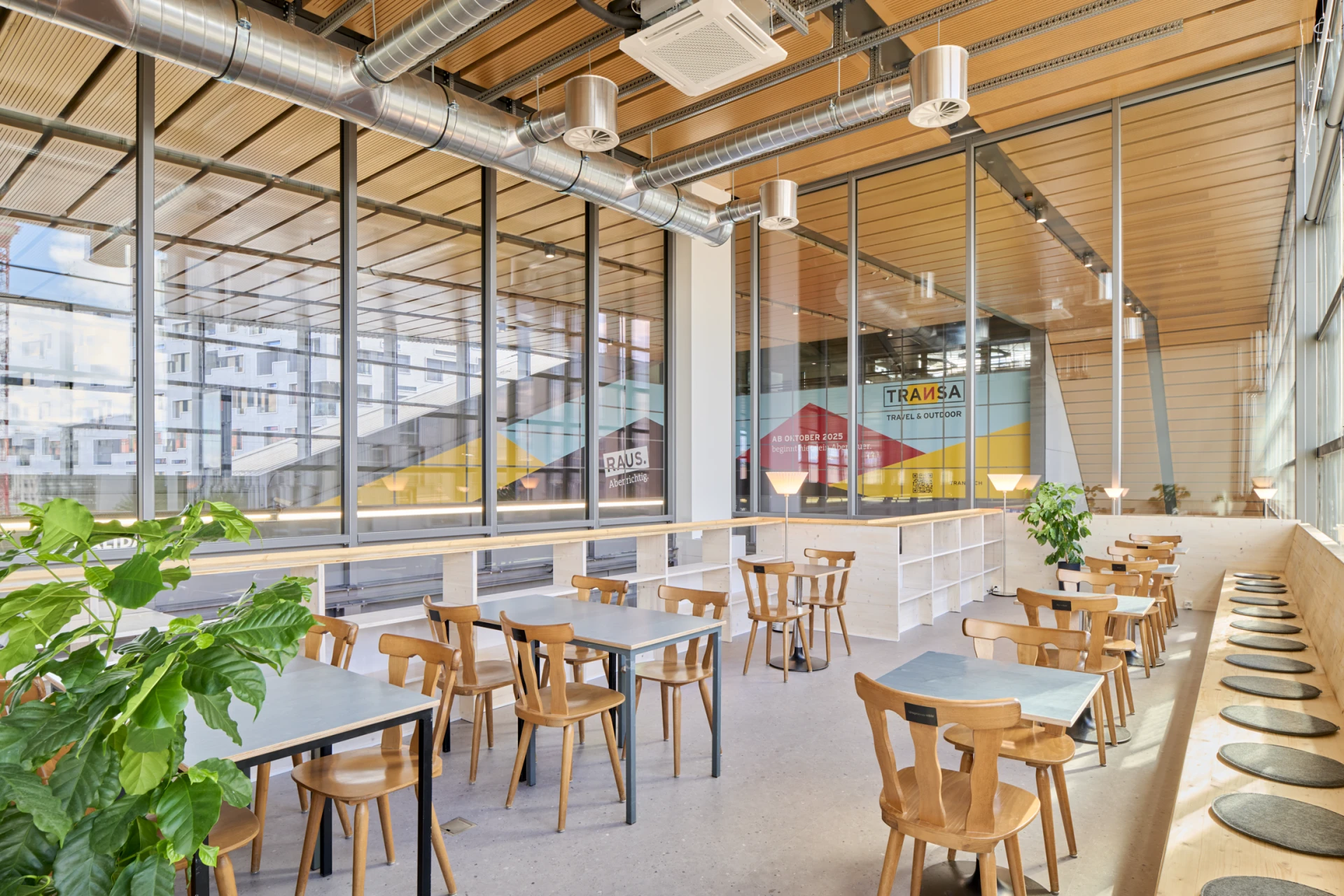
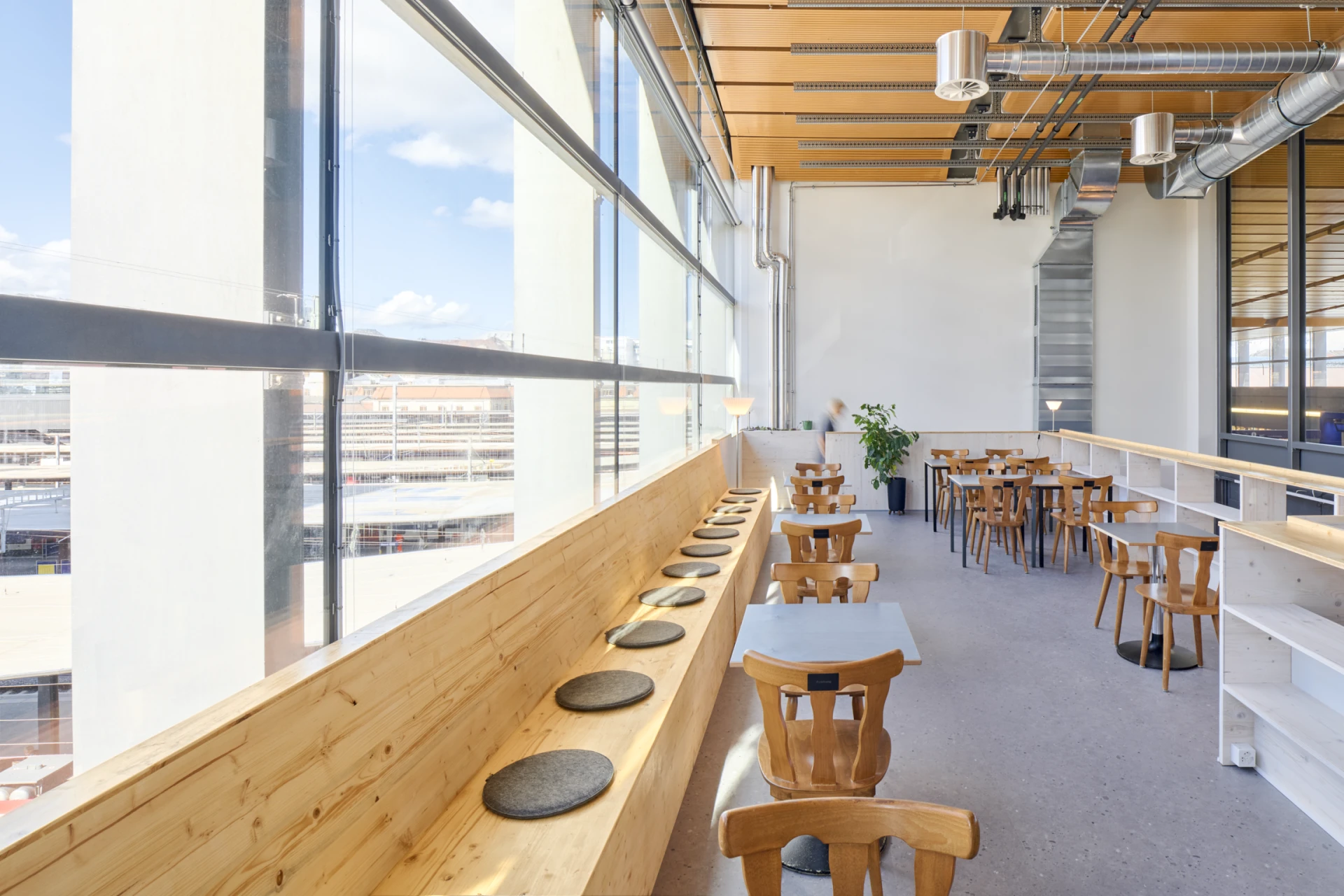
Seating area on the gallery with wooden bench, cushions and chairs in front of the window front, Kaffeemacher:innen, Basel SBB railway station

Architectural photography: your architecture communicated authentically

It is important to us not simply to document architecture as a physical structure. People and particularly exciting perspectives ensure that your project stands out from the rest. With an eye for detail and atmosphere, we offer you outstanding architectural photography that reflects your project to its best advantage.

Commercials: build trust and strengthen your brand

In commercials, people are a decisive factor in creating trust. Don’t just show your product. Let your customers and employees speak and give your company a face. Our solution is called “Industrymonial” and combines the advantages of product videos and testimonials to create a universal commercial. With our testimonial videos and corporate films, you can reach your target audience on an emotional level and strengthen your brand loyalty.

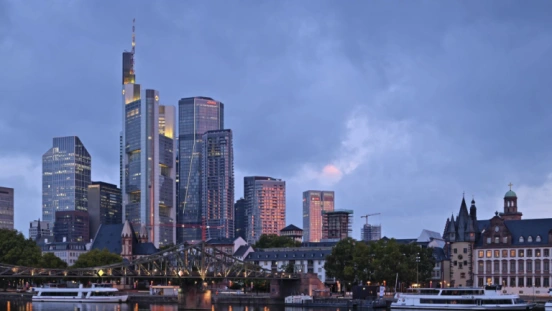
Impressions of the Körber smokehouse

Key facts about a progressive, sustainable project

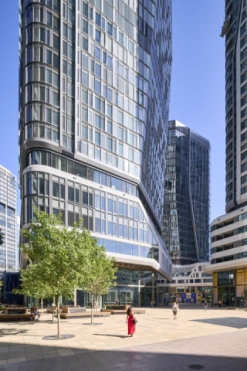
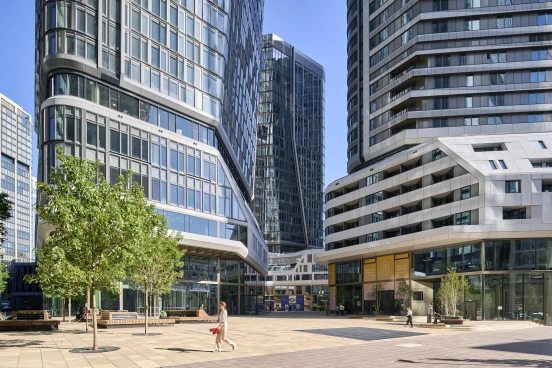
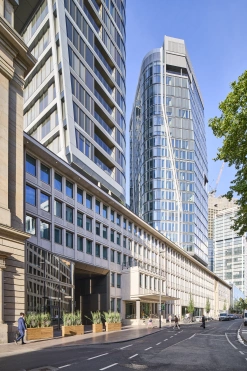
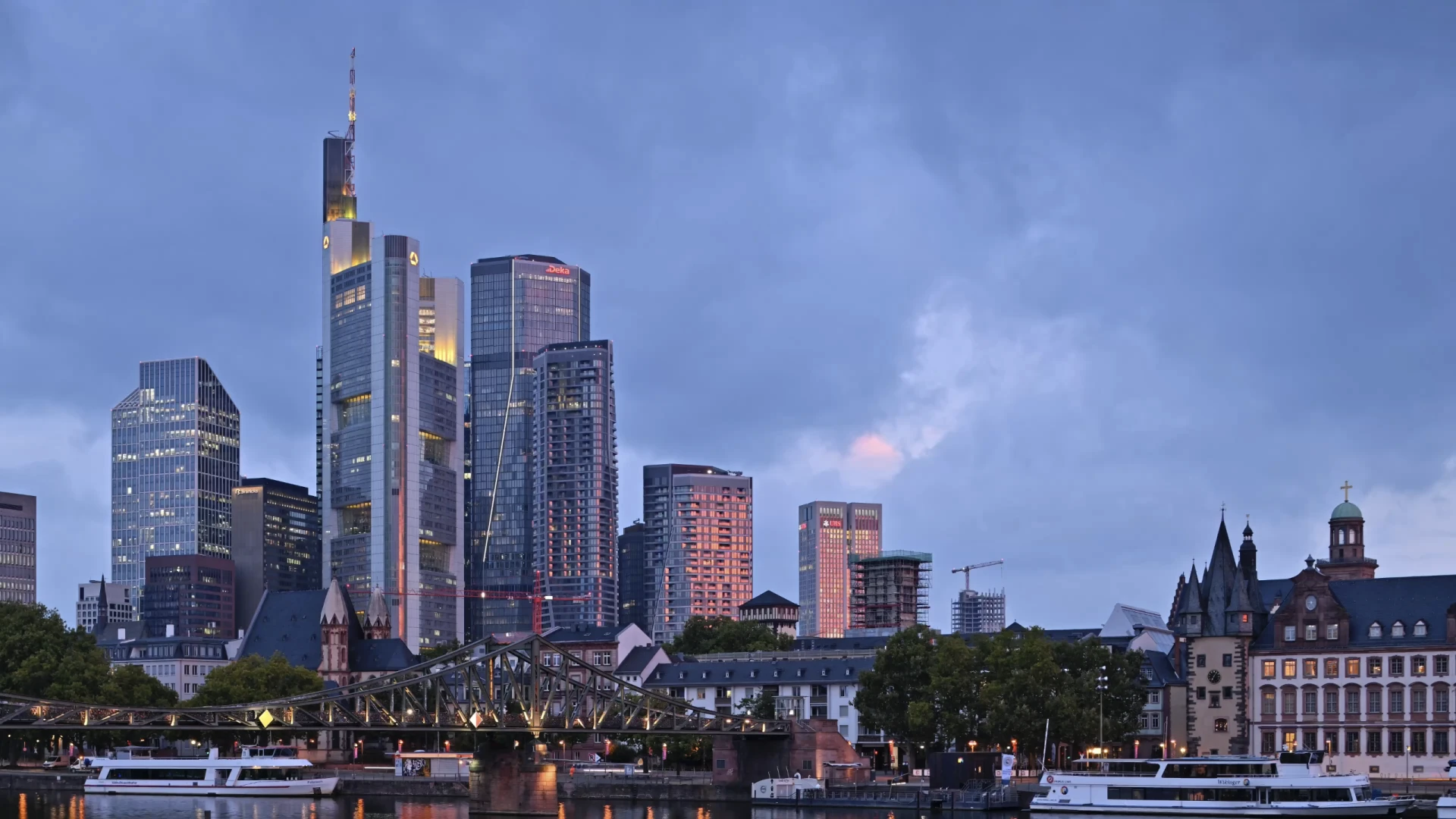
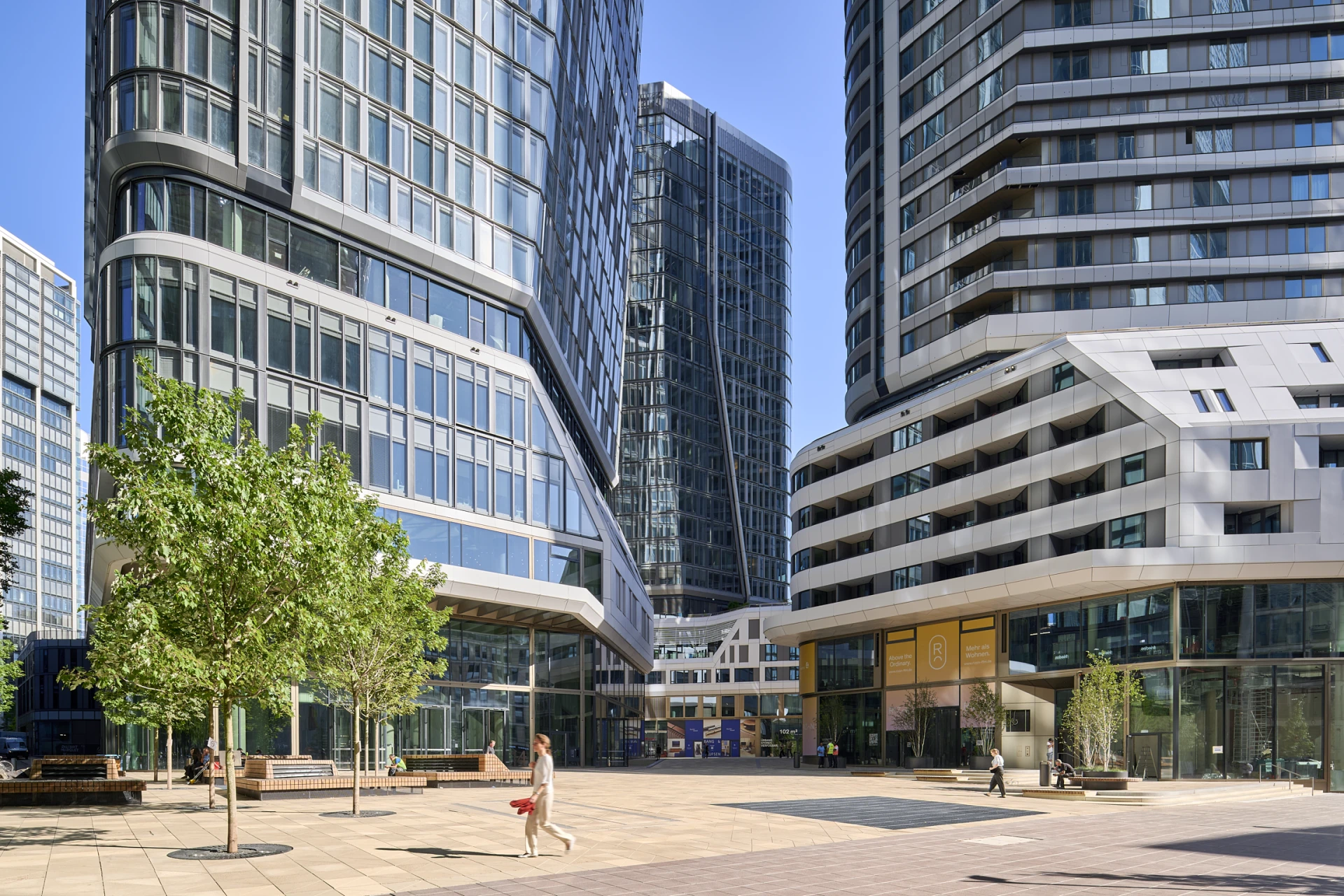
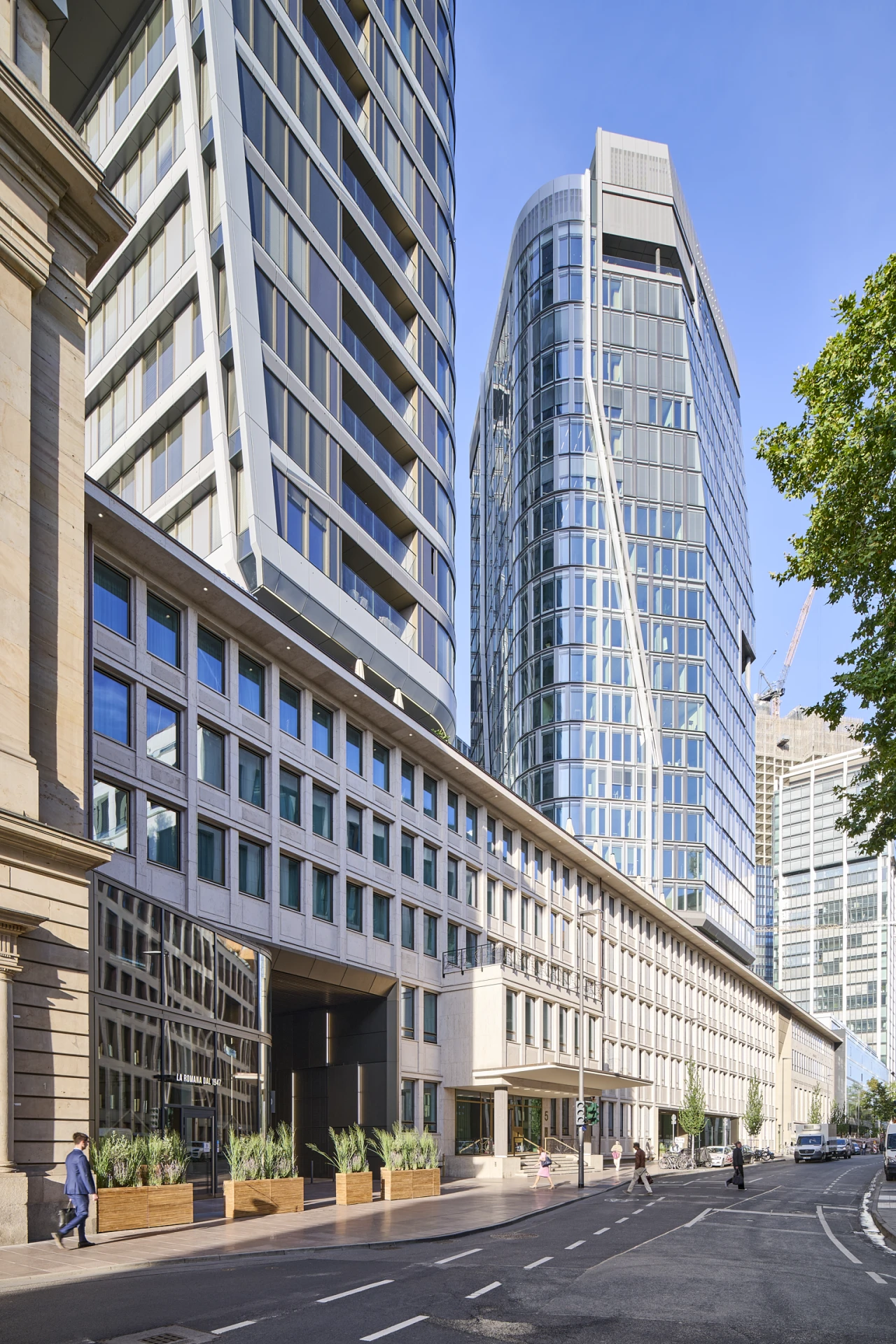
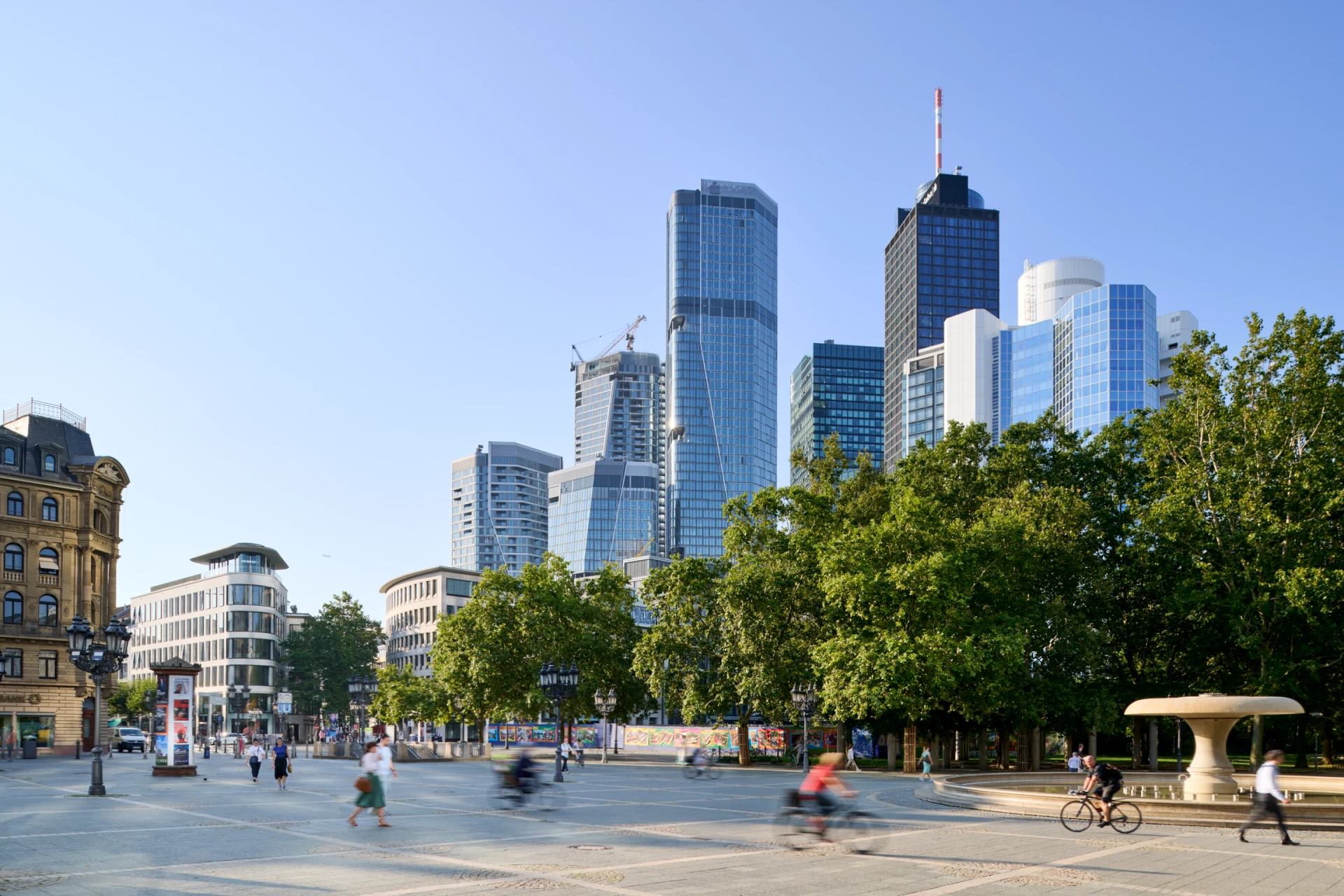
The FOUR Frankfurt consists of four towers, which are rotated by 90 degrees and rise above the listed building at Junghofstraße 5–11. At 233 meters, the tallest tower T1 is the third-tallest skyscraper in the Frankfurt skyline and is complemented by towers T2–T4 with heights of 173 m, 120 m and 100 m. The offset arrangement of the towers and the sloping façades create a more airy appearance and maximize the amount of light entering all areas of the complex. The mixed use of the imposing buildings for office space (47%), residential space (36%), hotels (12%) and public areas such as retail, day-care centers, restaurants, etc. (5%) creates a lively and vibrant neighborhood.
Further information and pictures can be found on the project page FOUR Frankfurt.

Skyline extension
FOUR Frankfurt

The FOUR is  one of the largest construction projects in Frankfurt to have been completed recently. But it’s not just the impressive height of the four towers. Rather, it’s the iconic shape and the arrangement of the complex that have captivated me. Photographically, the uniquely shaped structures open up many exciting perspectives. It was also technically challenging to find good angles to capture the design’s visual potential in beautiful photos. Furthermore, the project has a lot to offer conceptually and is worth exploring in more detail.
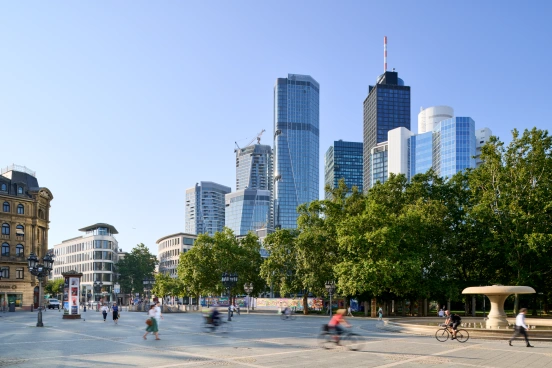
Forecourt of FOUR Frankfurt with trees, benches and people in front of the high-rises
Busy forecourt of FOUR Frankfurt with people between the high-rises
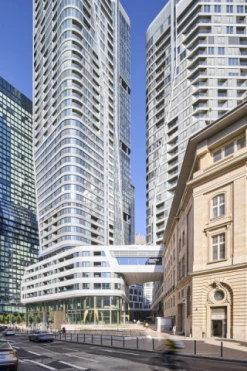
Junghofstraße with Tower T4 of FOUR Frankfurt and a historic building in the foreground
Natural stone facade of the old building beneath the rounded high-rise with balconies, FOUR Frankfurt
Skyline with the towers of FOUR Frankfurt above Opernplatz, cyclists and people
Listed historic stone building next to the modern towers of FOUR Frankfurt

Technical precision and creative expression

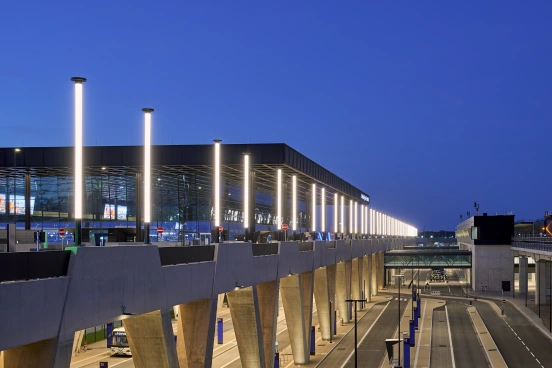
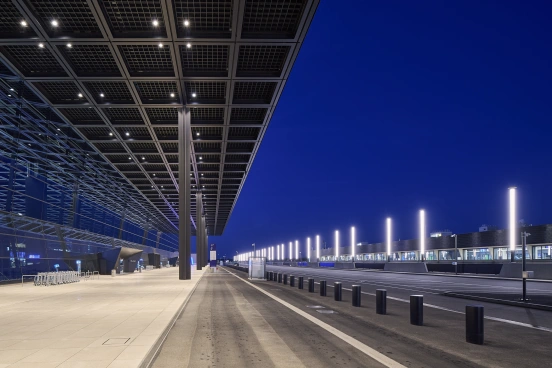
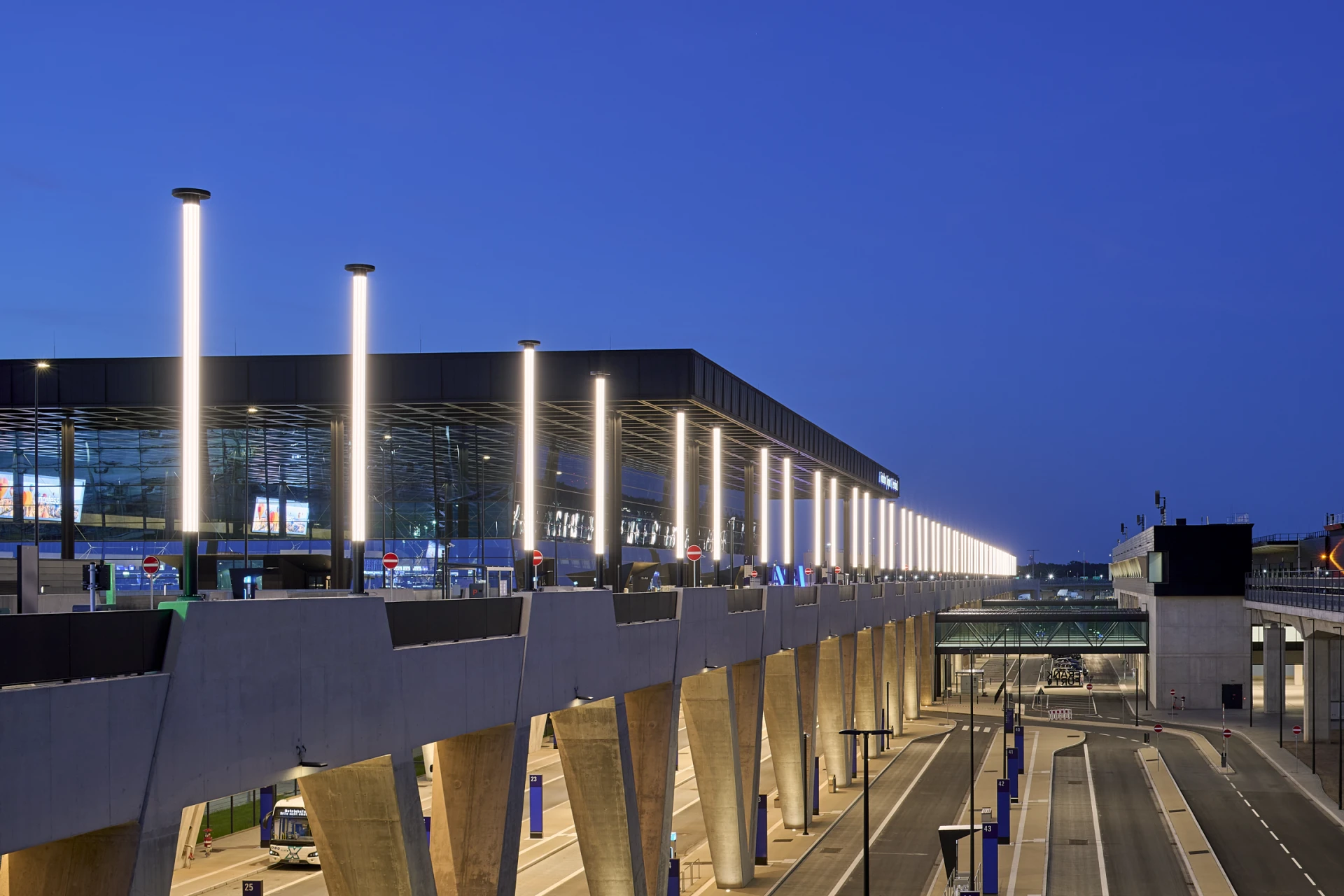
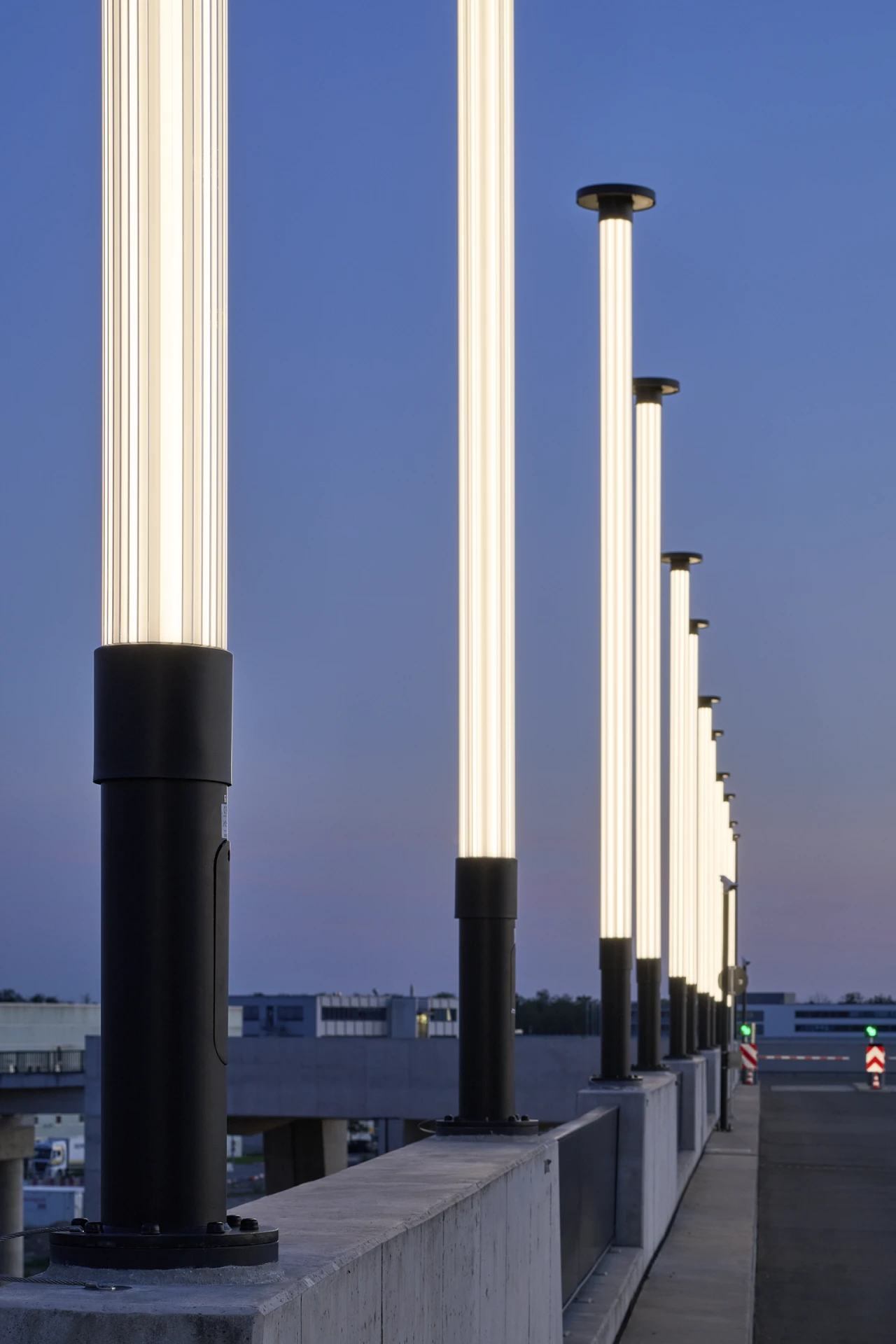
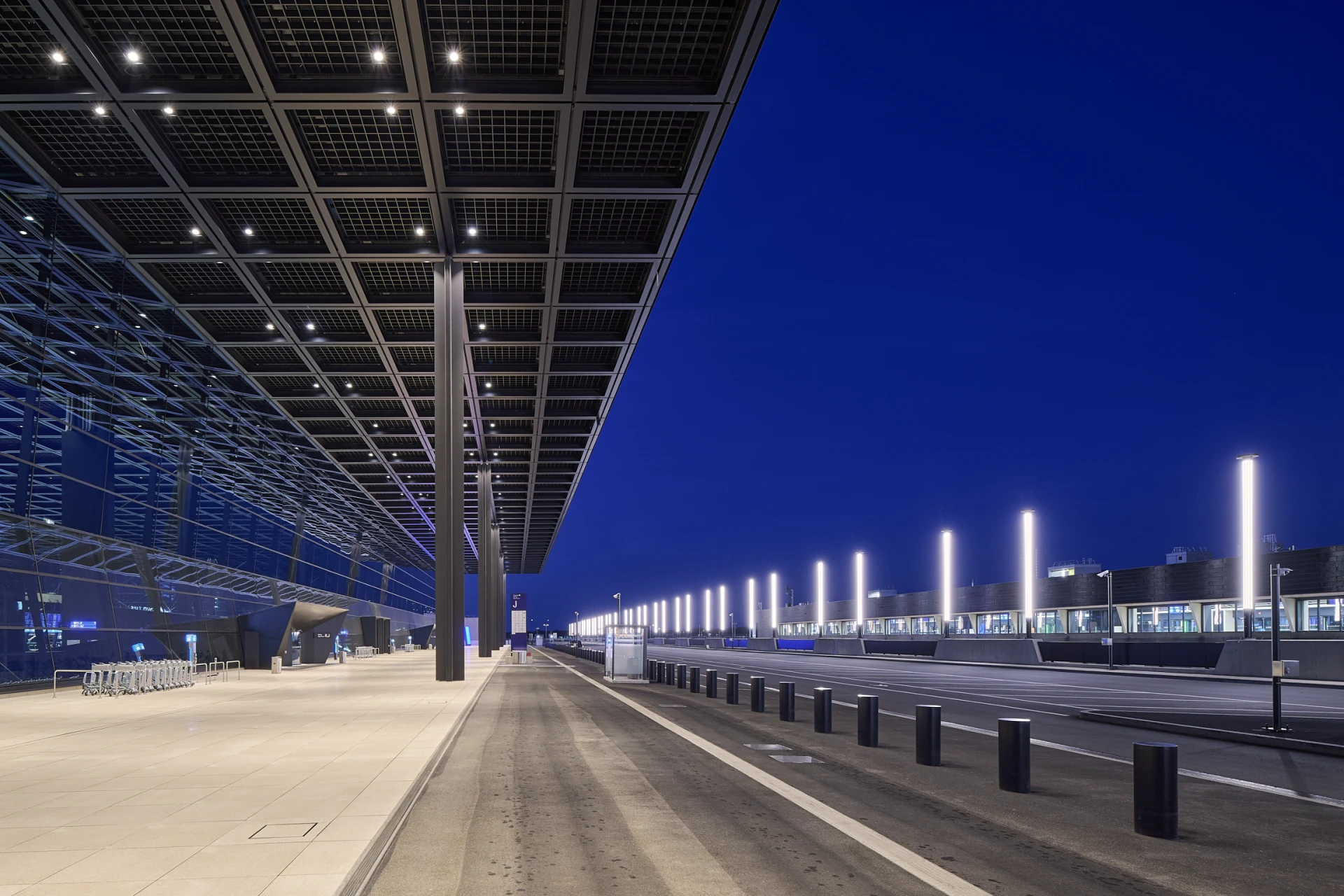
The lighting concept was specifically developed for the new airport terminal and was created in collaboration with Christoph Mäckler Architects and the designers at Licht Kunst Licht AG. The special design of the luminaires’ reflectors ensures even light distribution and prevents glare for passengers. This guarantees uniform illumination of the walkways and traffic routes in front of the terminal building. At the same time, the minimalist, linear design harmonizes with the surrounding architecture and complements it perfectly. You can find more images and information on the project page Light Installation FRA Terminal 3.

Iconic light landmarks at Frankfurt
Airport Terminal 3

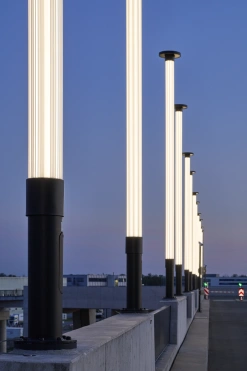
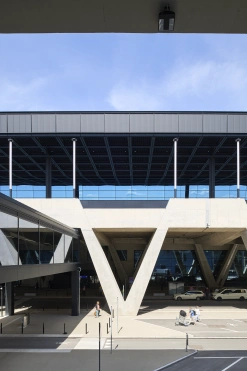
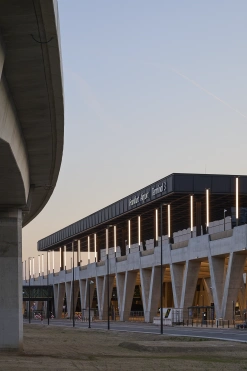
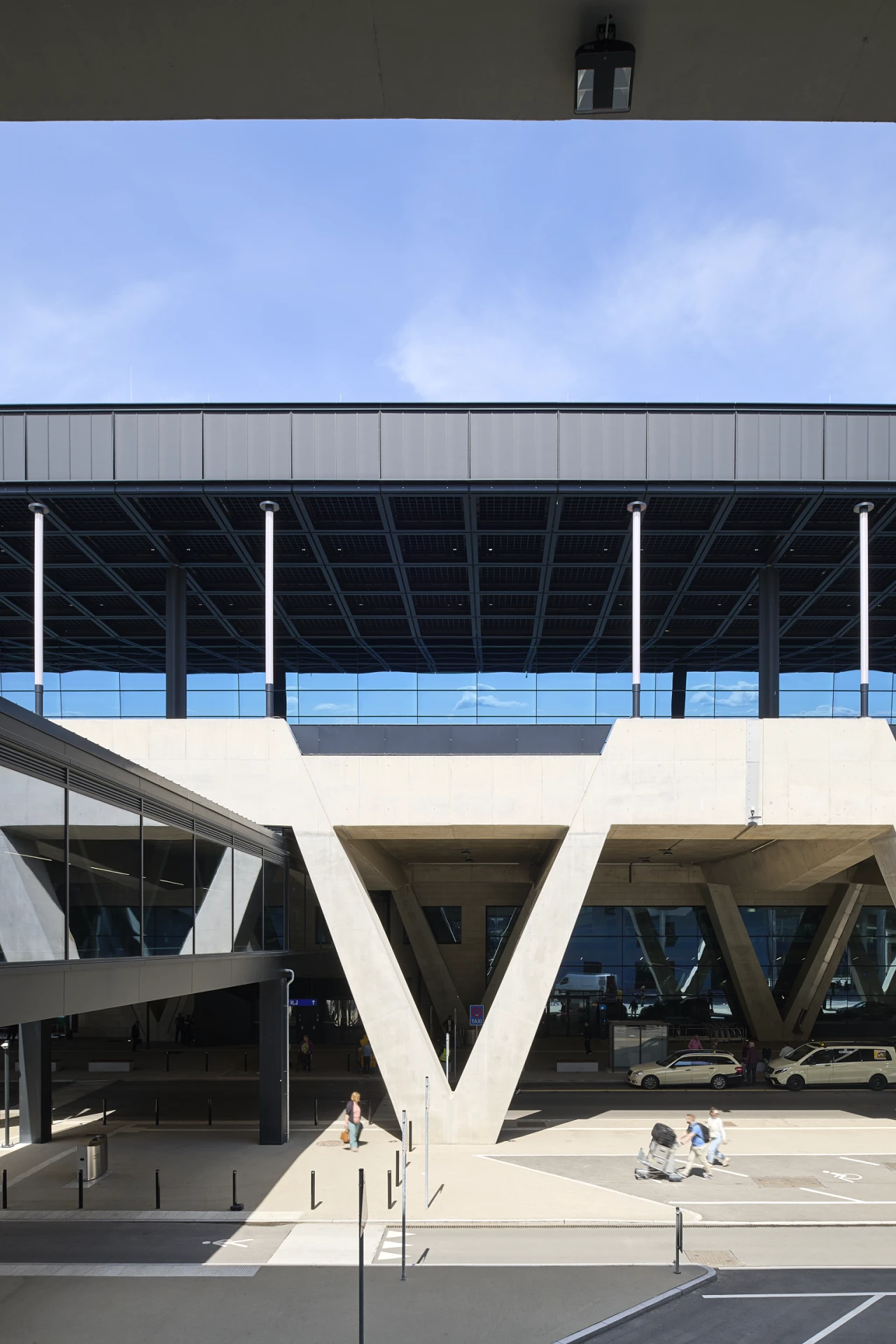
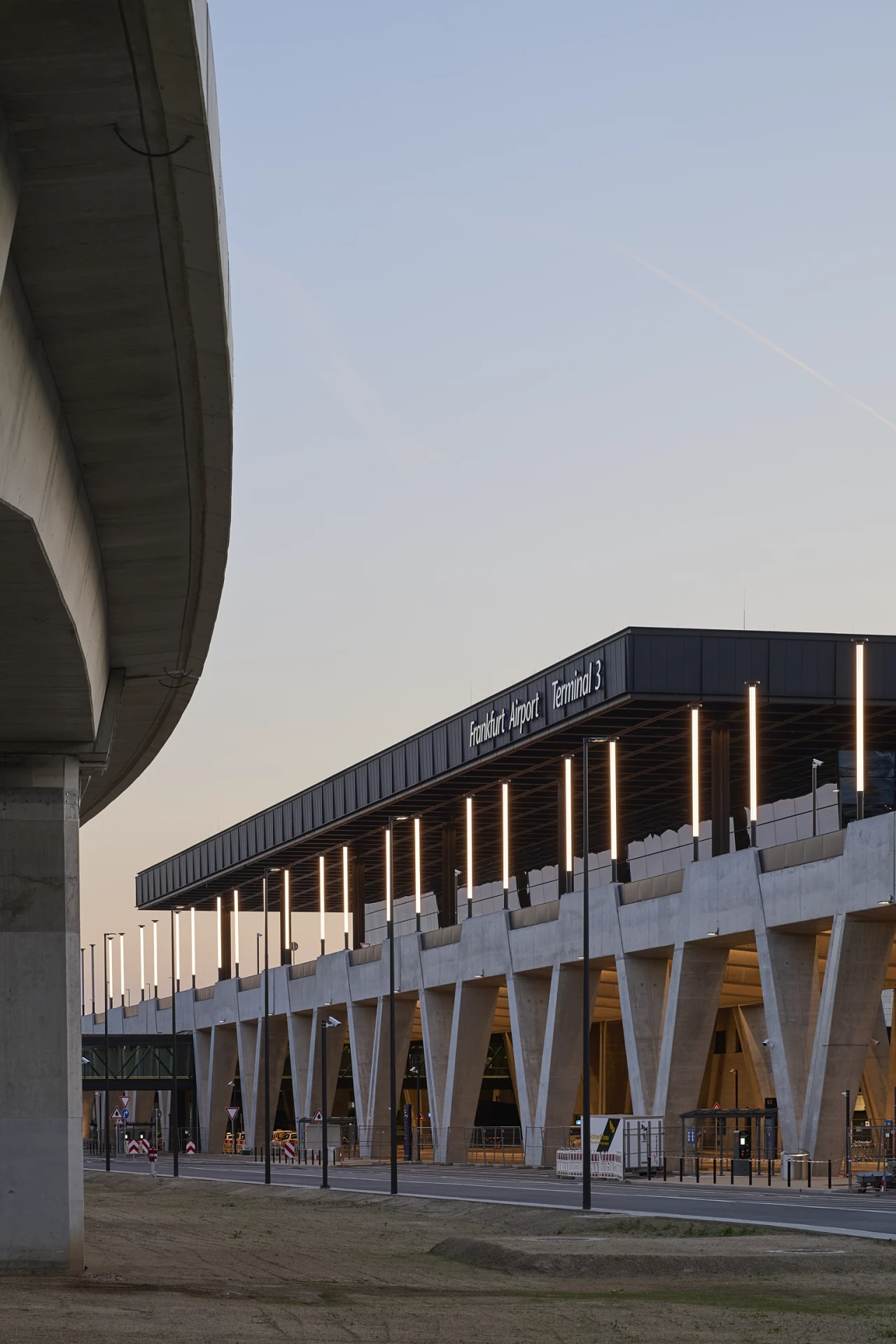
The opening of the new Terminal 3 at Frankfurt am Main Airport had been expected for a long time. And yes, it really has turned out to be very impressive. On behalf of Castaldi Lighting, I had the opportunity to photograph the equally impressive lighting installation that illuminates the entrance area of the new terminal building. Even from a distance, the 60 light poles, each 7 meters tall, show you the way. For the photo shoot, it was a challenge to capture their impressive presence and, above all, the scale of the installation in the frame. To do this, it was particularly important to create a connection to the architecture and the large terminal building. Highlighting the unique technical design of the reflectors was also very challenging.
Terminal 3 at Frankfurt Airport at dusk with illuminated light columns on the access ramp
Evenly illuminated light columns in a row at twilight
Drop-off level of Terminal 3 at Frankfurt Airport at night with a row of light columns, Castaldi Lighting
Light columns on the upper entrance level of Terminal 3 above the V-shaped concrete supports in daylight
Terminal 3 at Frankfurt Airport with a row of light columns above the concrete supports in evening light

More than just coffee

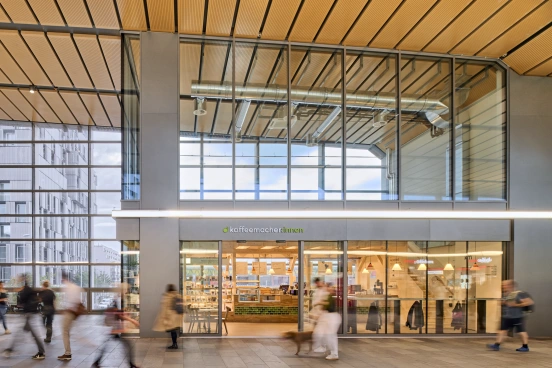
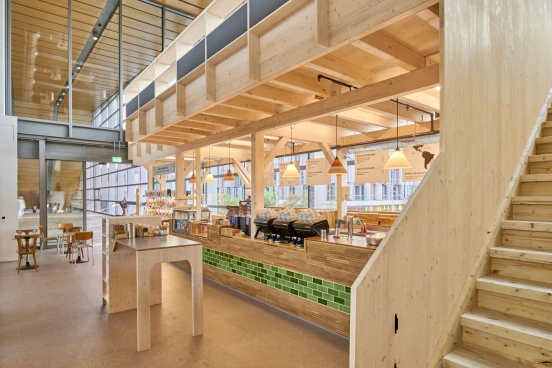
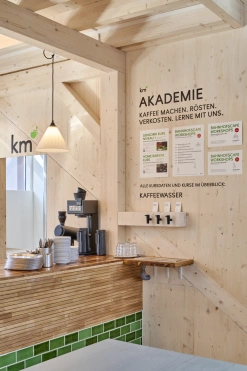
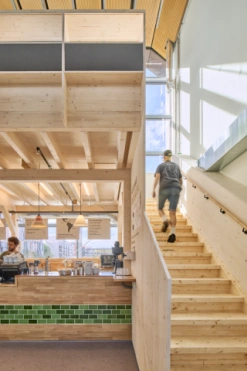
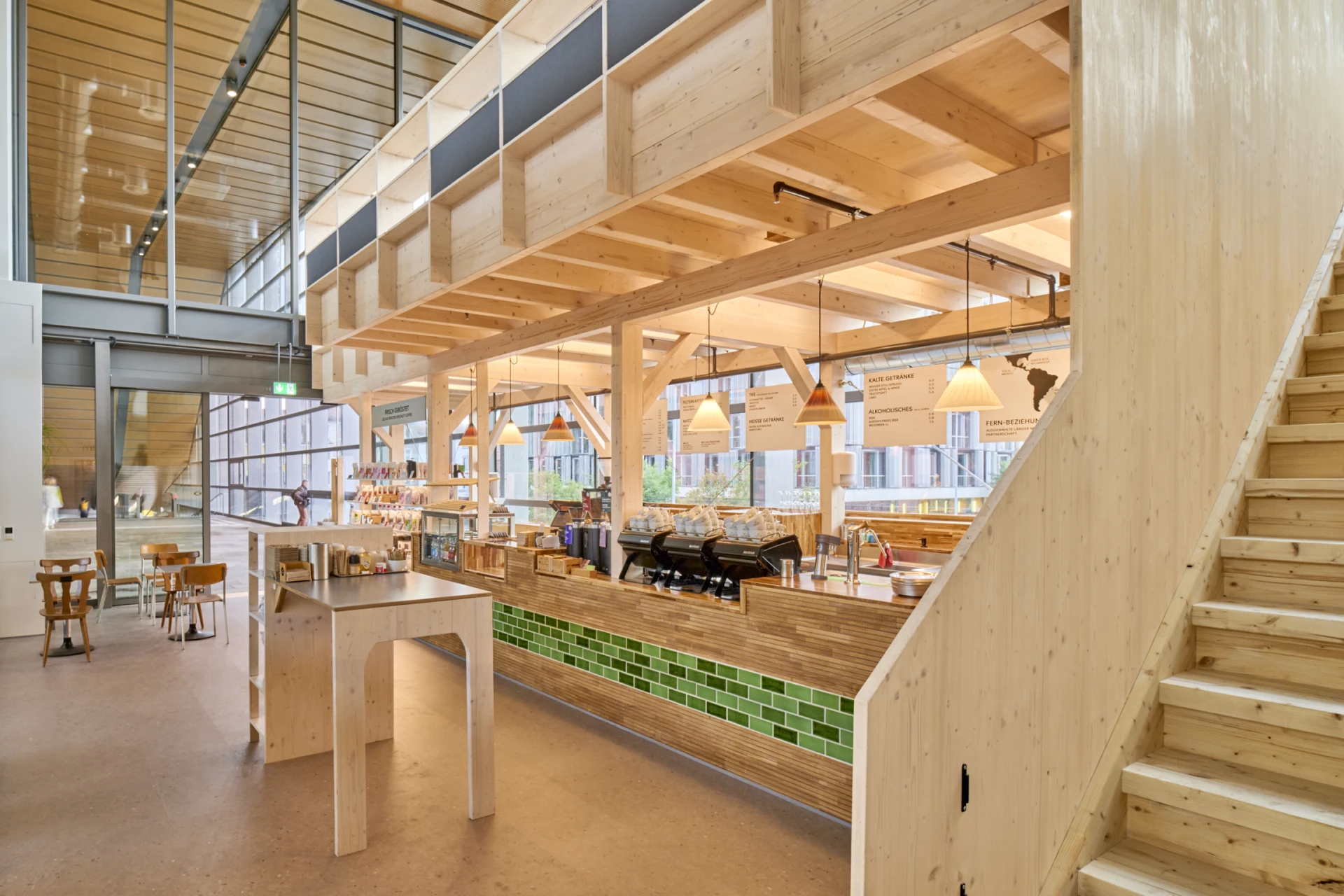
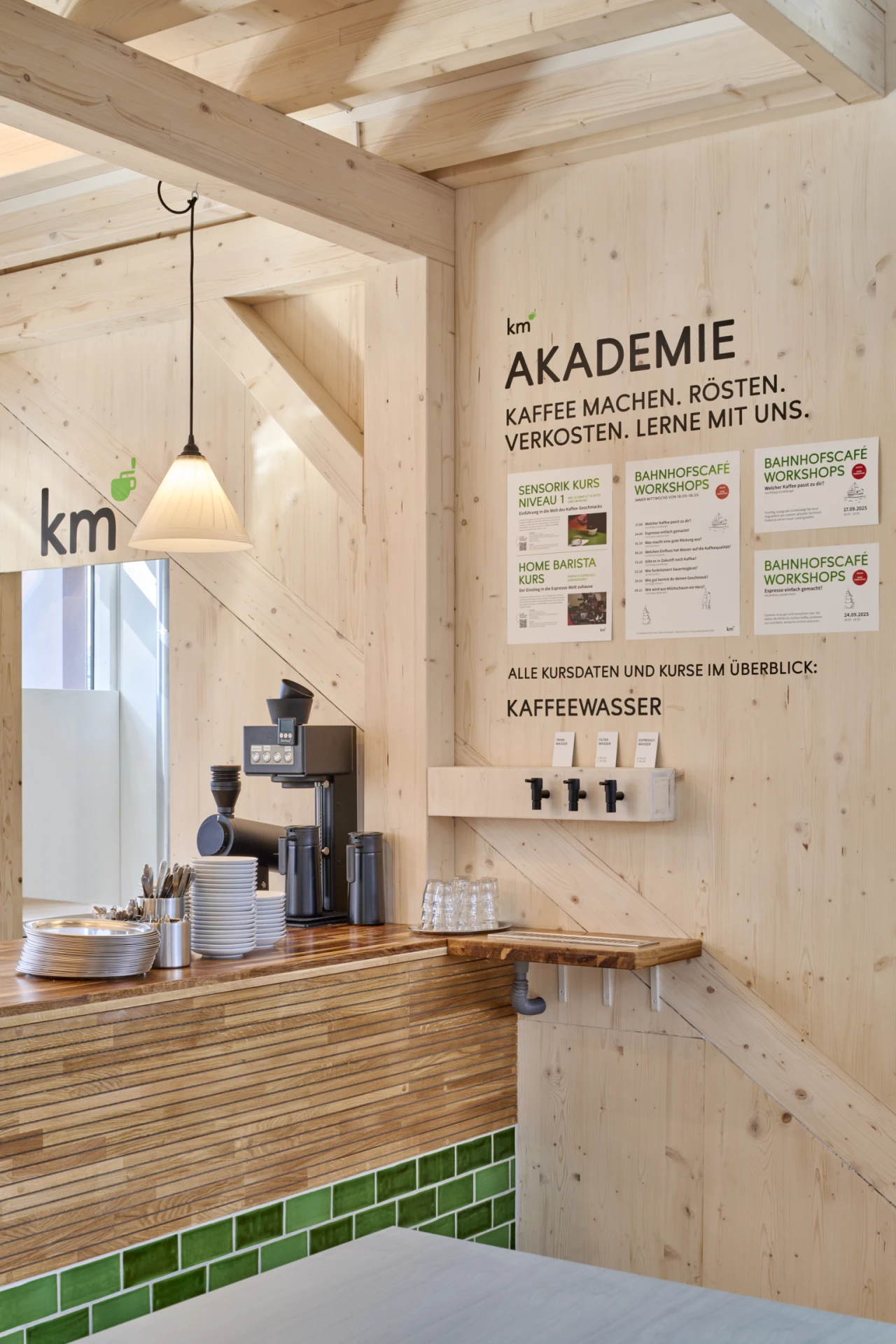
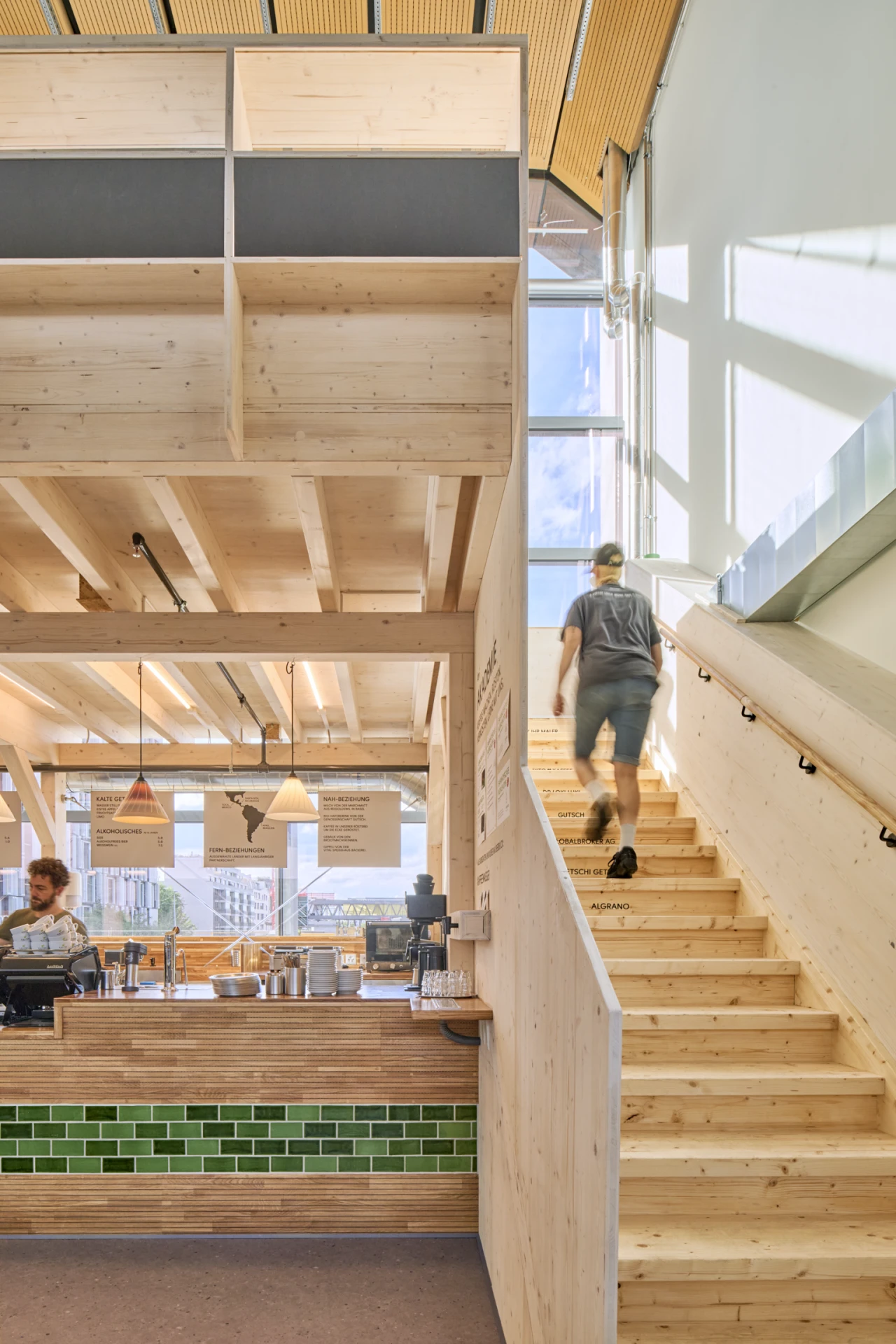
On the ground floor, the café welcomes its guests with a clean and intuitive layout. Orders are placed at the central counter. To the right of the counter, coffee is brewed and served. For takeout coffee, there is a small table with lids, sugar, etc., directly across from the counter. Those who wish to leave the café simply complete the loop and exit straight ahead. Those with time to spend can turn right to a wooden staircase leading up to the open gallery. Here, a quiet space opens up, inviting guests to relax and linger. However, the café’s offerings go far beyond simply serving specialty coffees. In addition to freshly roasted coffees from its own roastery, visitors can also purchase related accessories. A shelf with a large selection is located right next to the register. The comprehensive offering is rounded out by a free workshop program that takes place every Wednesday. It shares knowledge from the company’s own coffee academy and turns the café into a place for exchange. In addition, other events take place regularly, such as a “Reading Café.” Thanks to its all-wood design, the café has a cozy atmosphere that reflects its roots and commitment to sustainability. Rustic, repurposed furniture lends the space additional authenticity, while real coffee trees add vibrant accents. This creates a place that not only serves coffee but also allows visitors to experience the company’s values in every aspect: quality, sustainability, and humanity. You can find more pictures on the project page Kaffeemacher:innen Bahnhofscafé.
A café with character
for travelers and connoisseurs

The story behind this photo series began with a newsletter introducing this project and calling for crowdfunding. As a coffee nerd and longtime follower of the Kaffeemacher:innen, I thought that some cool architectural photos would also be a great way to support them. Shortly afterwards, the date for the photo shoot was scheduled for the day before the grand opening. The challenge: a construction site and a tight time window for taking photos. While the final details were being finished and the café was being set up, I searched for the best angles. The results are impressive. The photos perfectly capture the café’s inviting concept and the company’s sustainable approach. The result is not just a place for a quick coffee to go, but also a café that offers a space to sit back, relax, and enjoy specialty coffee.
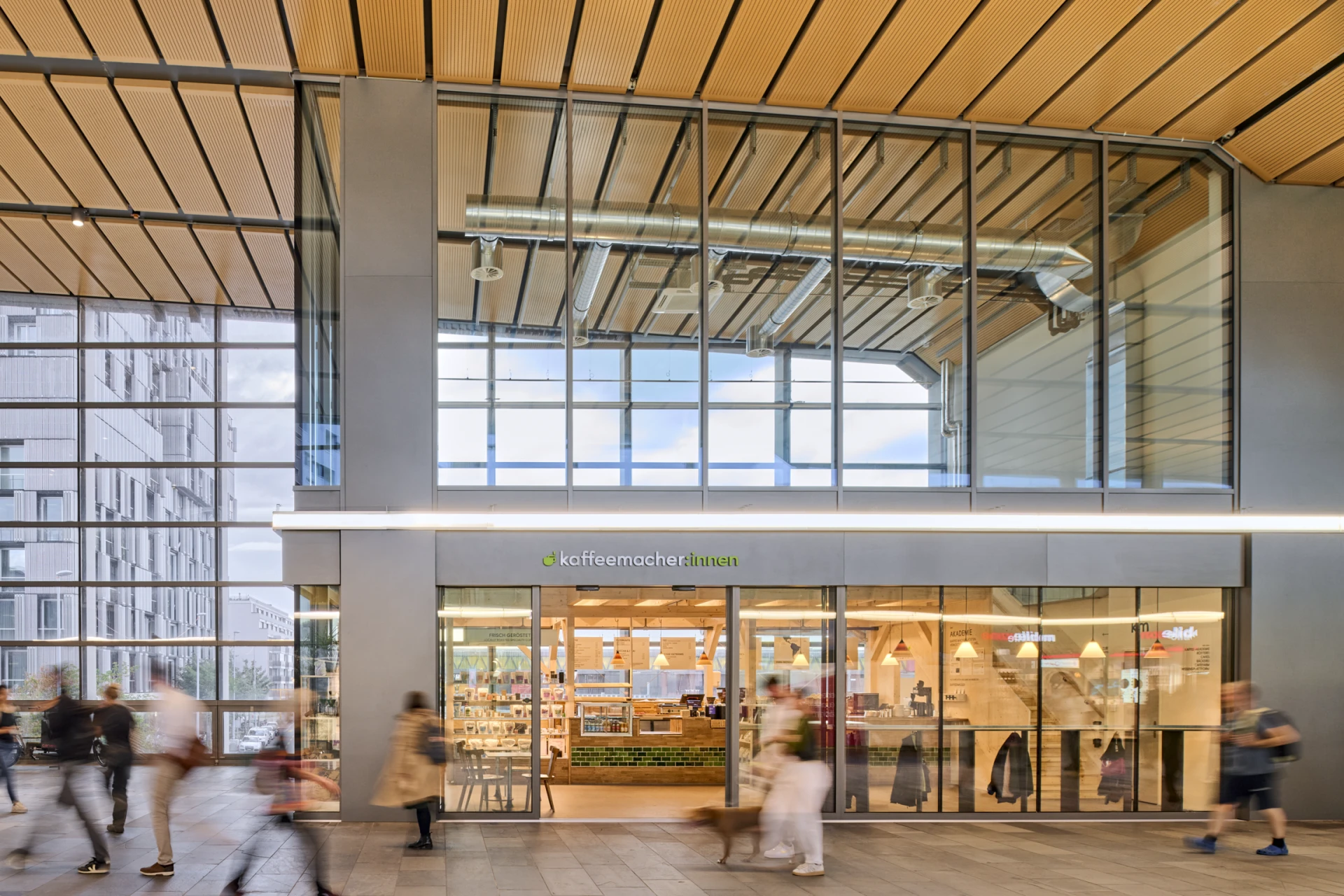
Illuminated station café with glass facade, people in motion, Kaffeemacher:innen, Basel SBB railway station
Interior with timber construction, counter with green tiles and staircase, Kaffeemacher:innen, Basel SBB railway station
Counter with coffee grinder, coffee water taps and wall with course offers of the Academy, Kaffeemacher:innen, Basel SBB railway station
Timber staircase between both levels with a view of the counter, person on the stairs, Kaffeemacher:innen, Basel SBB railway station
Seating area with wooden chairs, window front and slat ceiling, Kaffeemacher:innen, Basel SBB railway station
Seating area with wooden bench and cushions at the window front with a view of the station grounds, Kaffeemacher:innen, Basel SBB railway station

A retrospective look at a chapter in architectural history

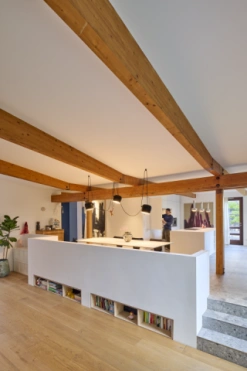
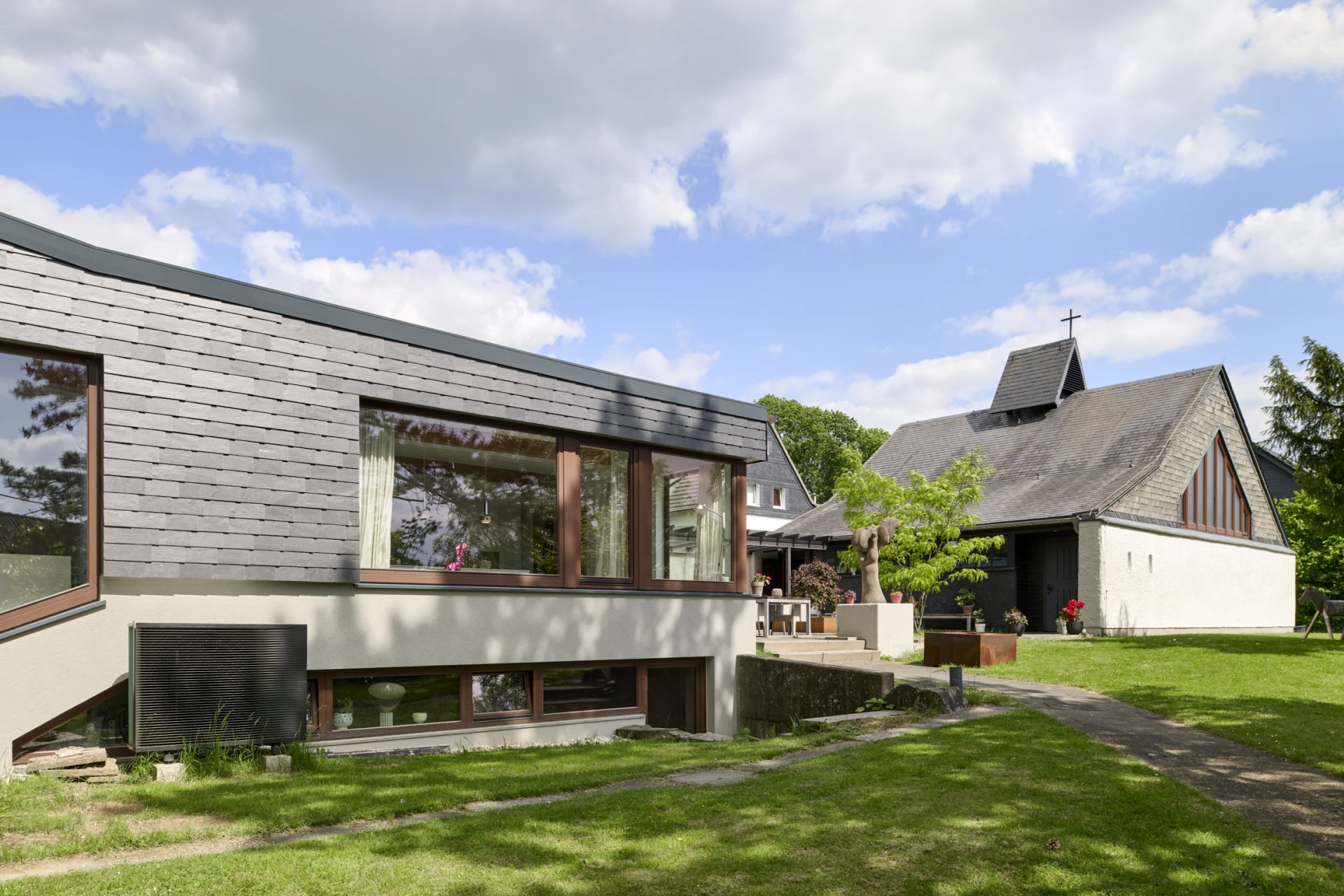
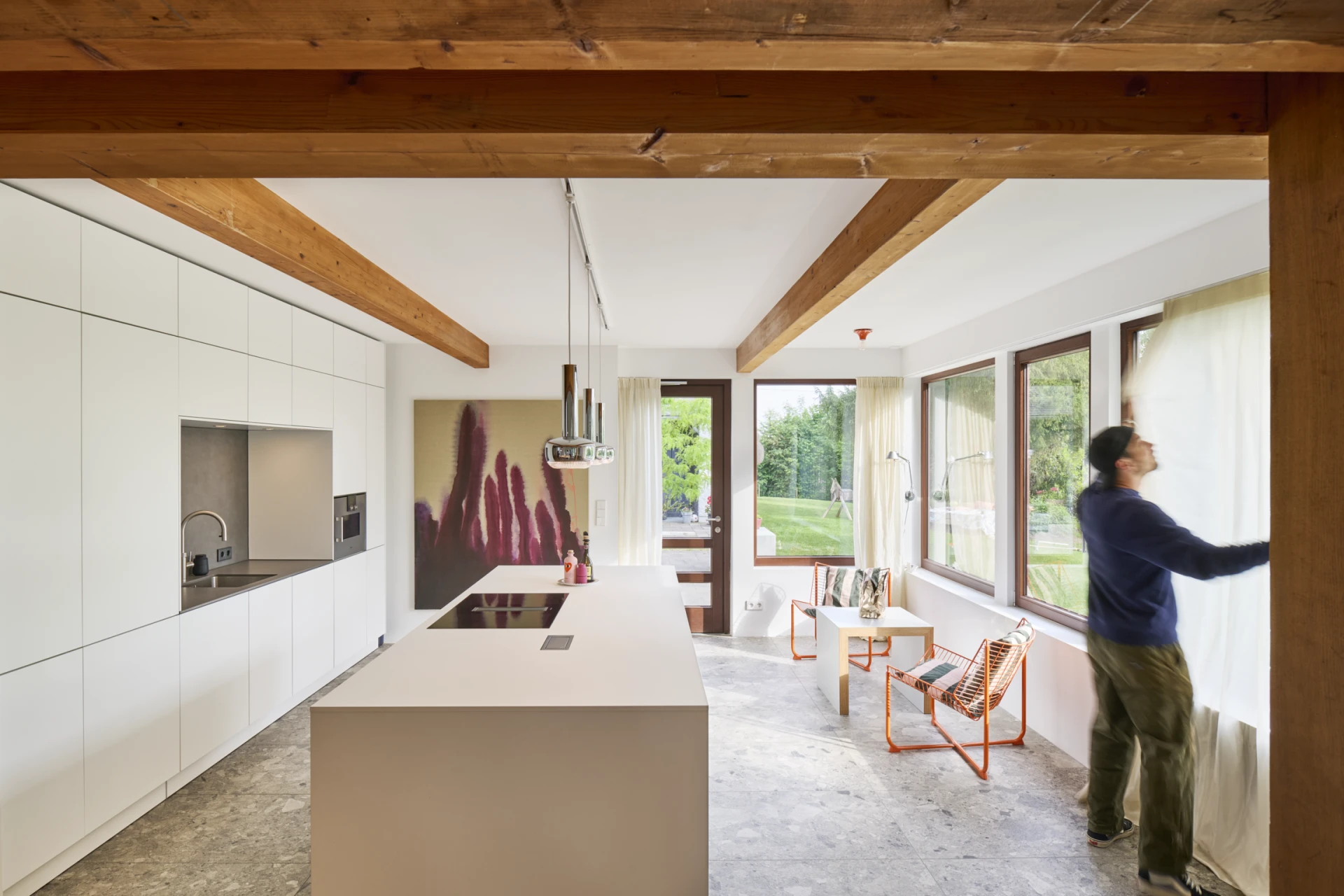
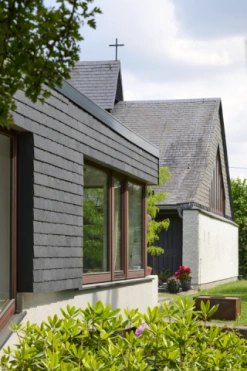
The original church was designed by architect Otto Bartning and completed in 1951. It is a diaspora chapel that was built for a Protestant minority in the region following the war and displacement. Otto Bartning’s design consisted of a self-supporting wooden structure that could be mass-produced, enabling cost-effective and rapid construction. In 1975, the parish hall and today’s residential building were added by architect Gisela Schmidt-Krayer. Thanks to Max Dankward Riemenschneider’s respectful and well-thought-out conversion plans, the defining elements of the original architecture have been preserved. The conversion is intended rather as a further development of the existing structure. Additional photos and details can be found on the project page HUB – Max Dankward Riemenschneider.

Continuing a story – HUB

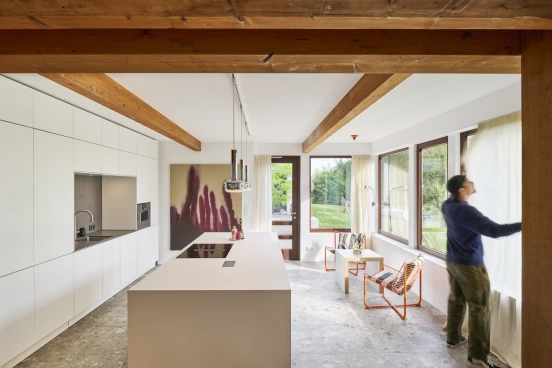
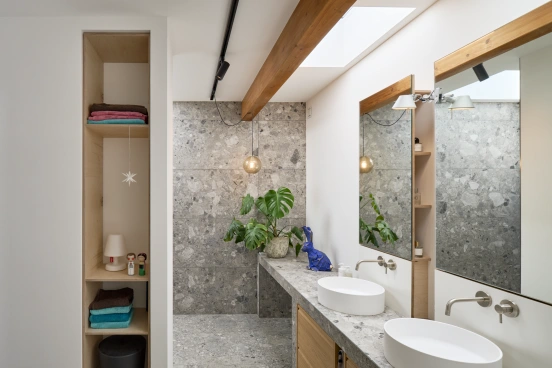
Previously, at the end of Helene-Ufer-Straße in Gummersbach-Berghausen, there was a community center for the local parish. Today, it is the heart of the Uessem family’s life. For the architectural photography documentation of the renovation project, I had the pleasure of exploring the former parish hall and the adjacent church, which is now David Uessem’s studio, through the lens of my camera. With their creative repurposing of the spaces, David and his friend and architect Max Dankward Riemenschneider have preserved an important chapter of architectural history and breathed new life into the spaces. Today, they form an open environment where the family comes together and large-scale works of art are created.
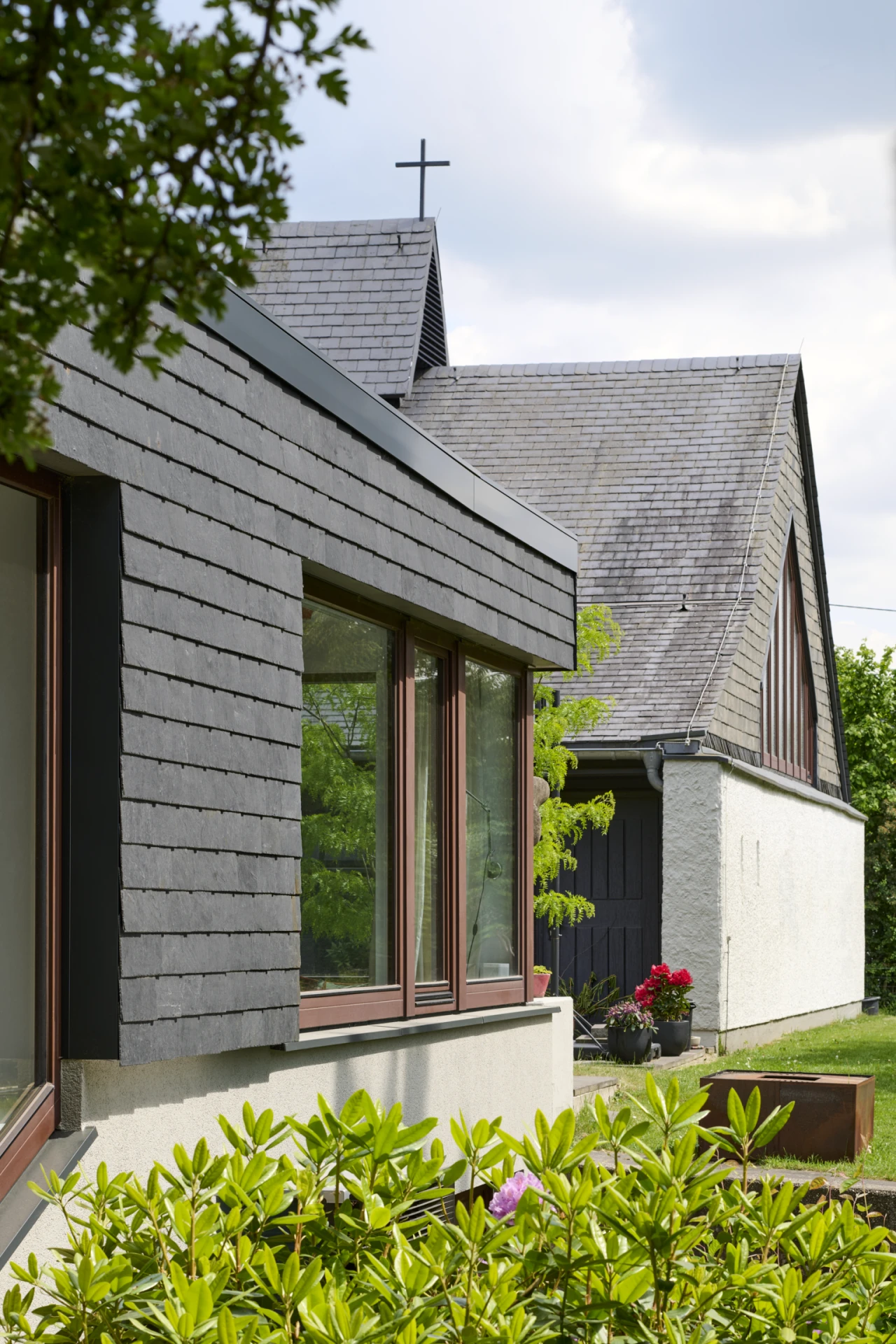
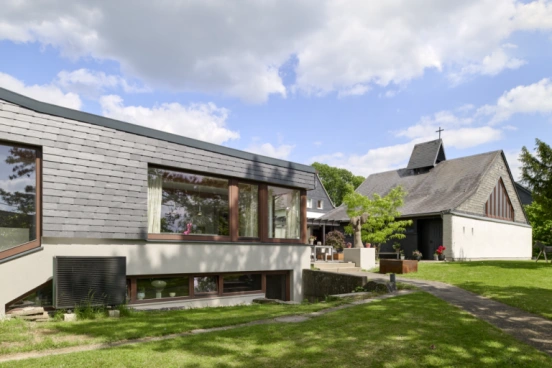
Exterior of the former parish hall with slate facade, converted into a residence by architect Max Dankward Riemenschneider, with the church in the background
Facade detail of the former parish hall with slate and windows, with the church behind
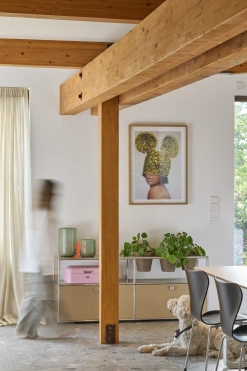
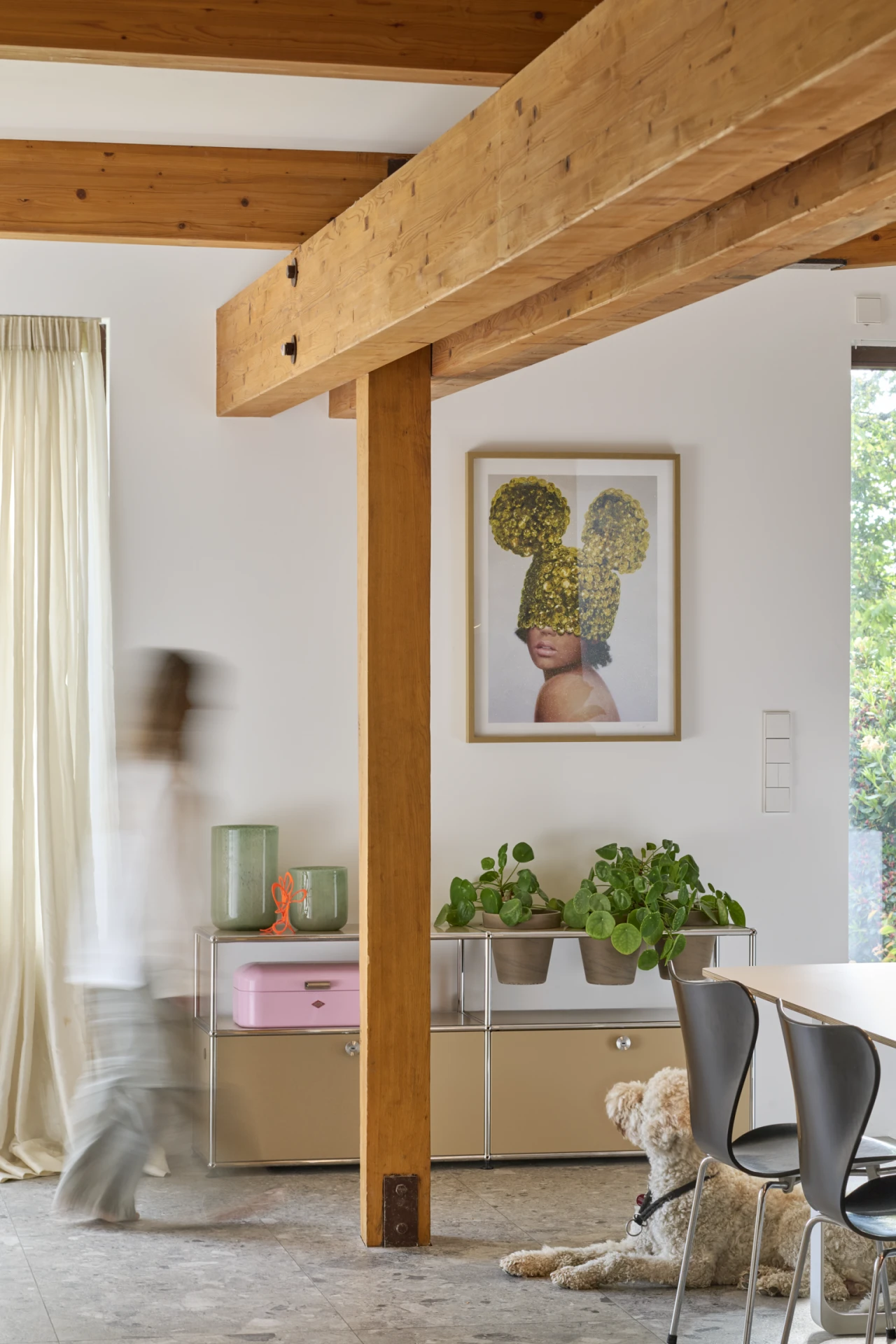
Living space with exposed timber beams, artwork, sideboard and designer chairs
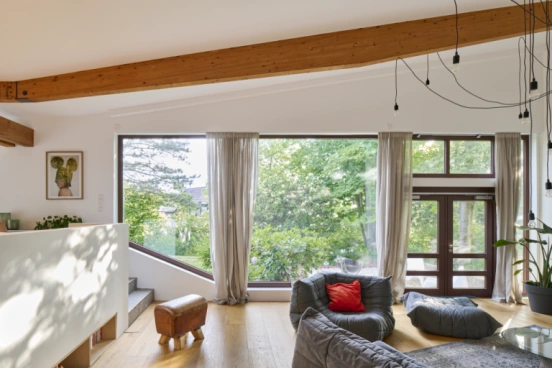
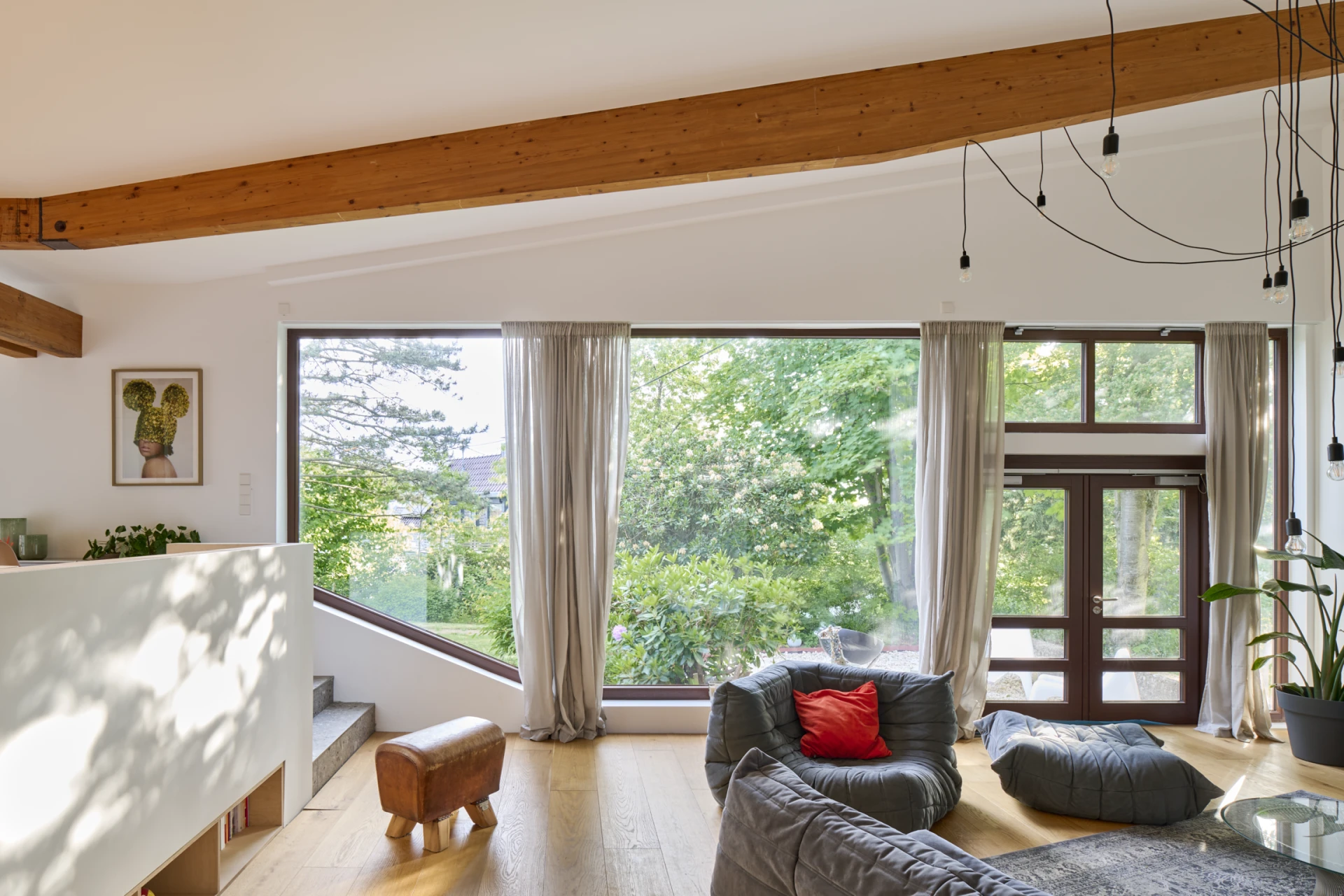
Light-filled living area with large window front and garden view
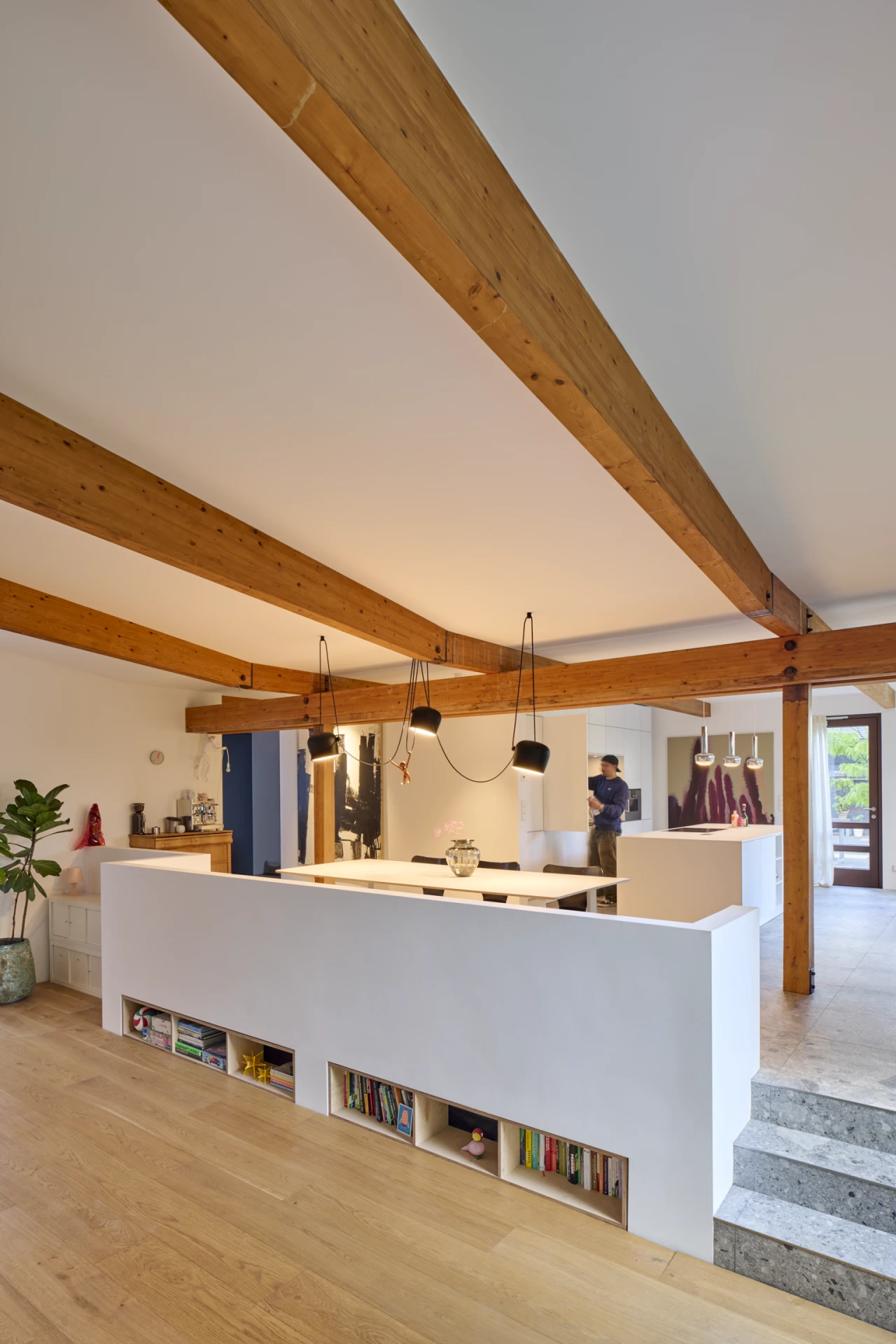
Kitchen and dining area on the raised level with timber beams and steps
Open kitchen with island, timber beams and garden view, person at the curtain
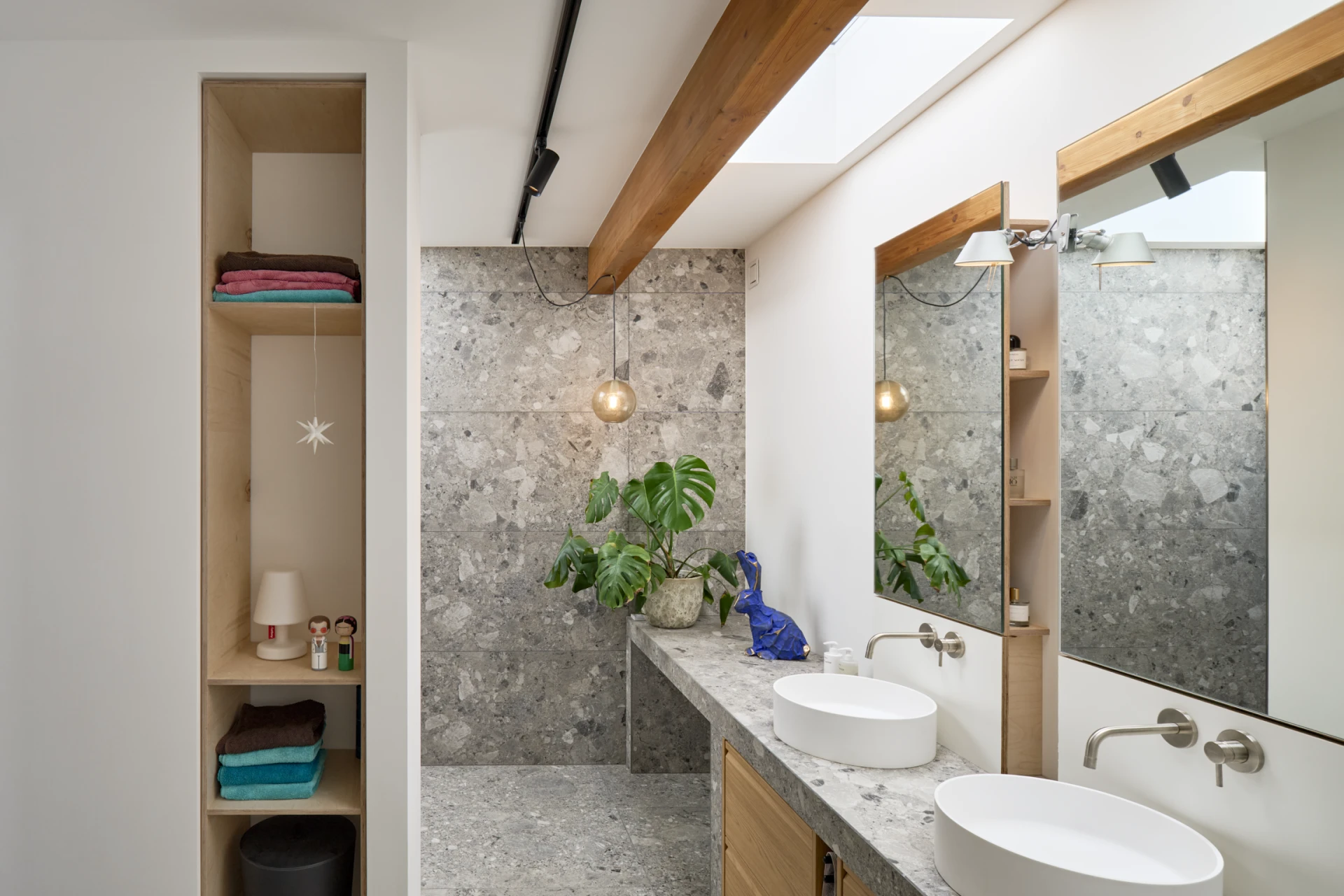
Bathroom with double washstand, skylight and walk-in shower

Flexible design with a sustainable approach

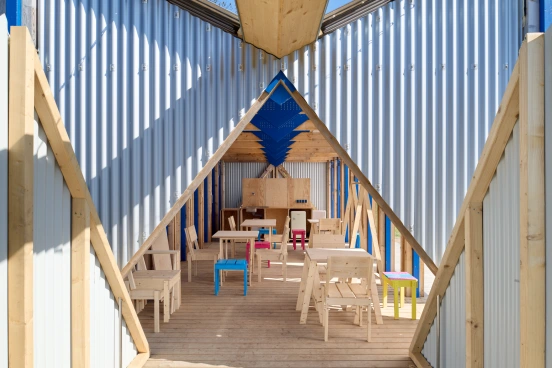
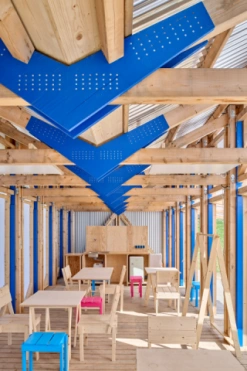
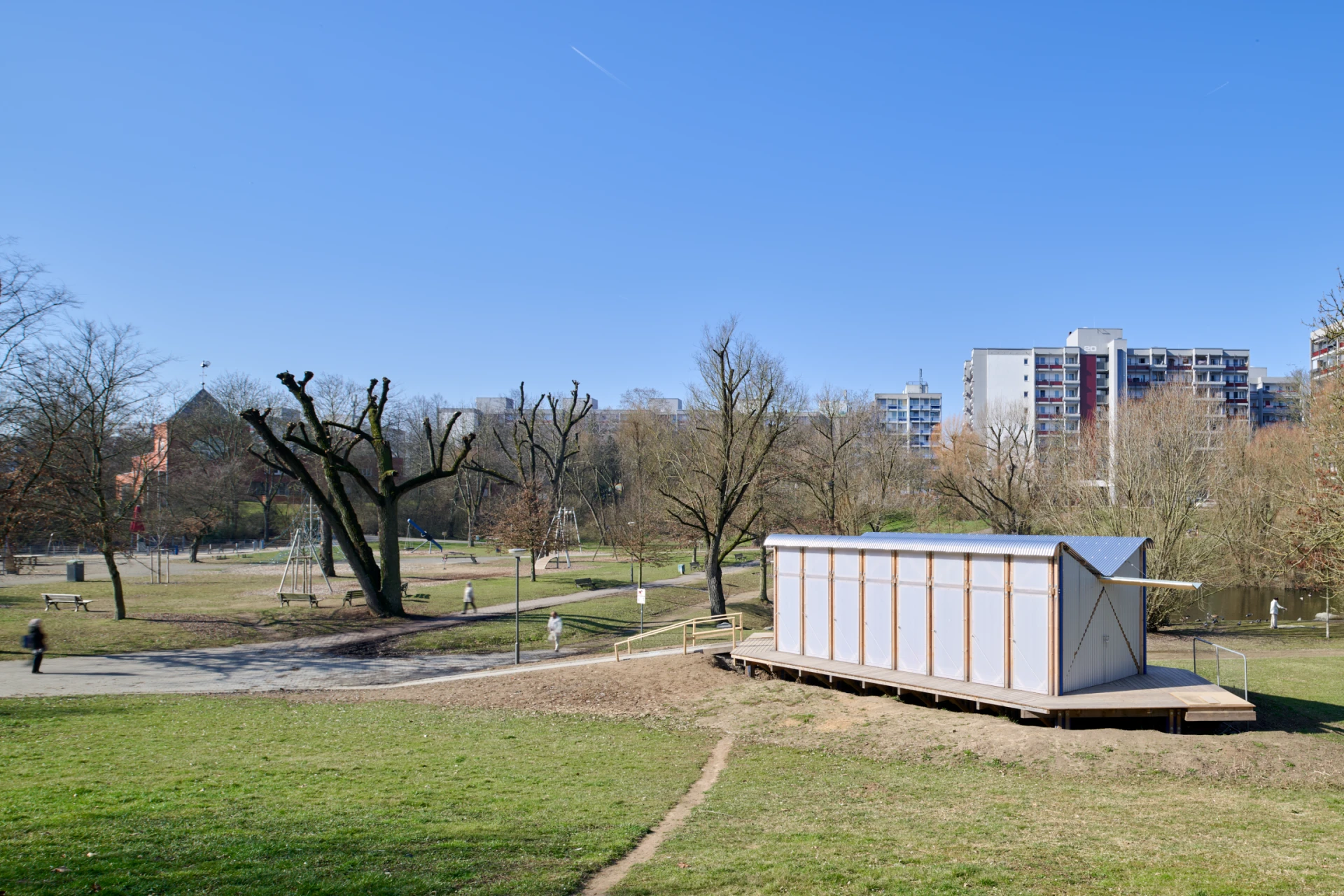
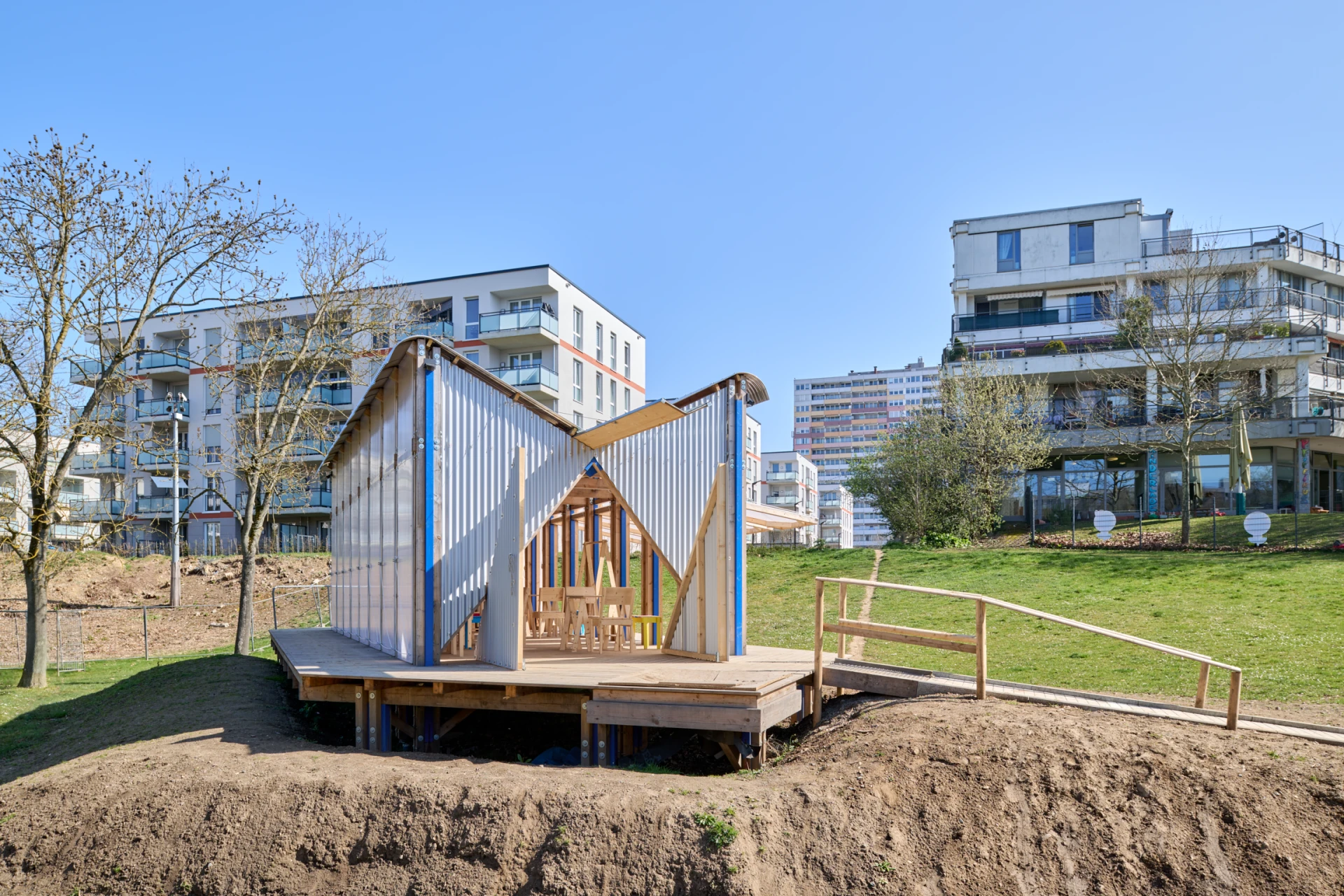
With its remarkable geometric design and bright wooden structure, the pavilion stands out from the surrounding park. It reflects innovation and sustainability and attracts the attention of neighborhood residents. The building was designed as a temporary structure for a neighborhood café, which is intended to become a central gathering place for residents in the future. Until the café is completed in 2028, the wooden pavilion will serve this role and be used for community events. The pavilion was built on a foundation supported by piles anchored in the ground. This flexible solution allows for subsequent dismantling and reconstruction at another location. The technical design also incorporates many well-thought-out features. For example, the roof’s inward-sloping shape ensures that rainwater is collected and directed to the planters located along the outer edge. If you’d like to learn more about the project, you can find additional photos and information on the project page House by the Lake Ben-Gurion-Ring.

Wooden pavilion
The House by the Lake

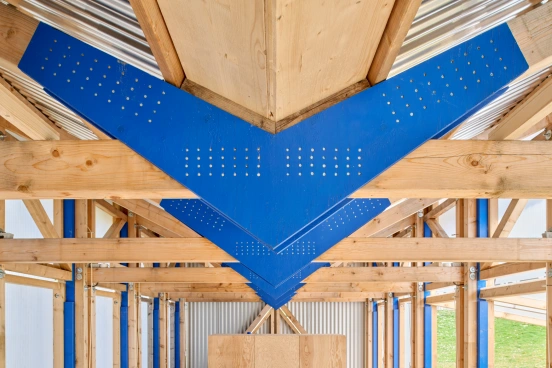
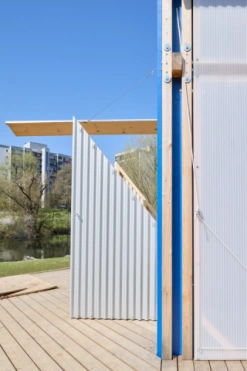
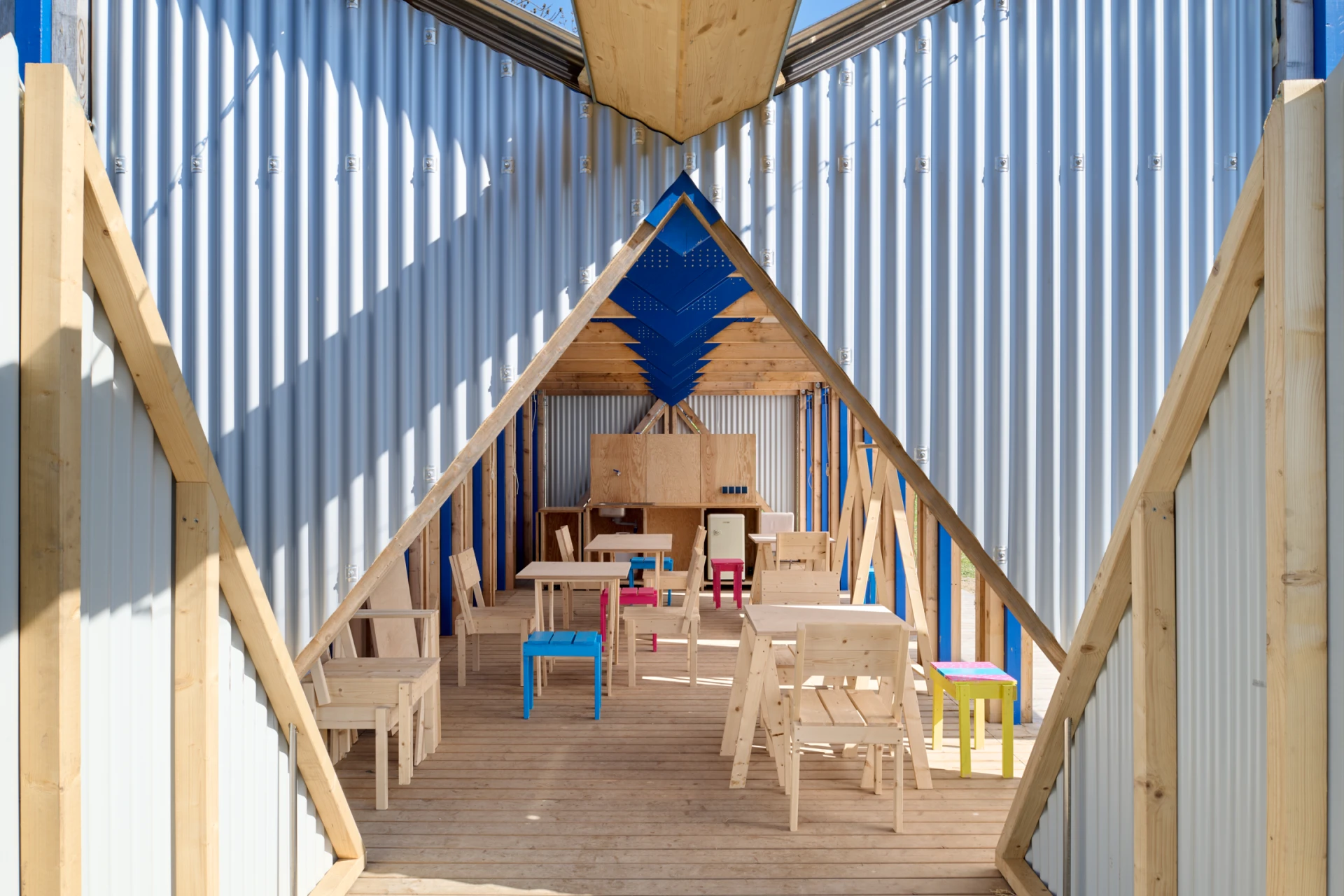
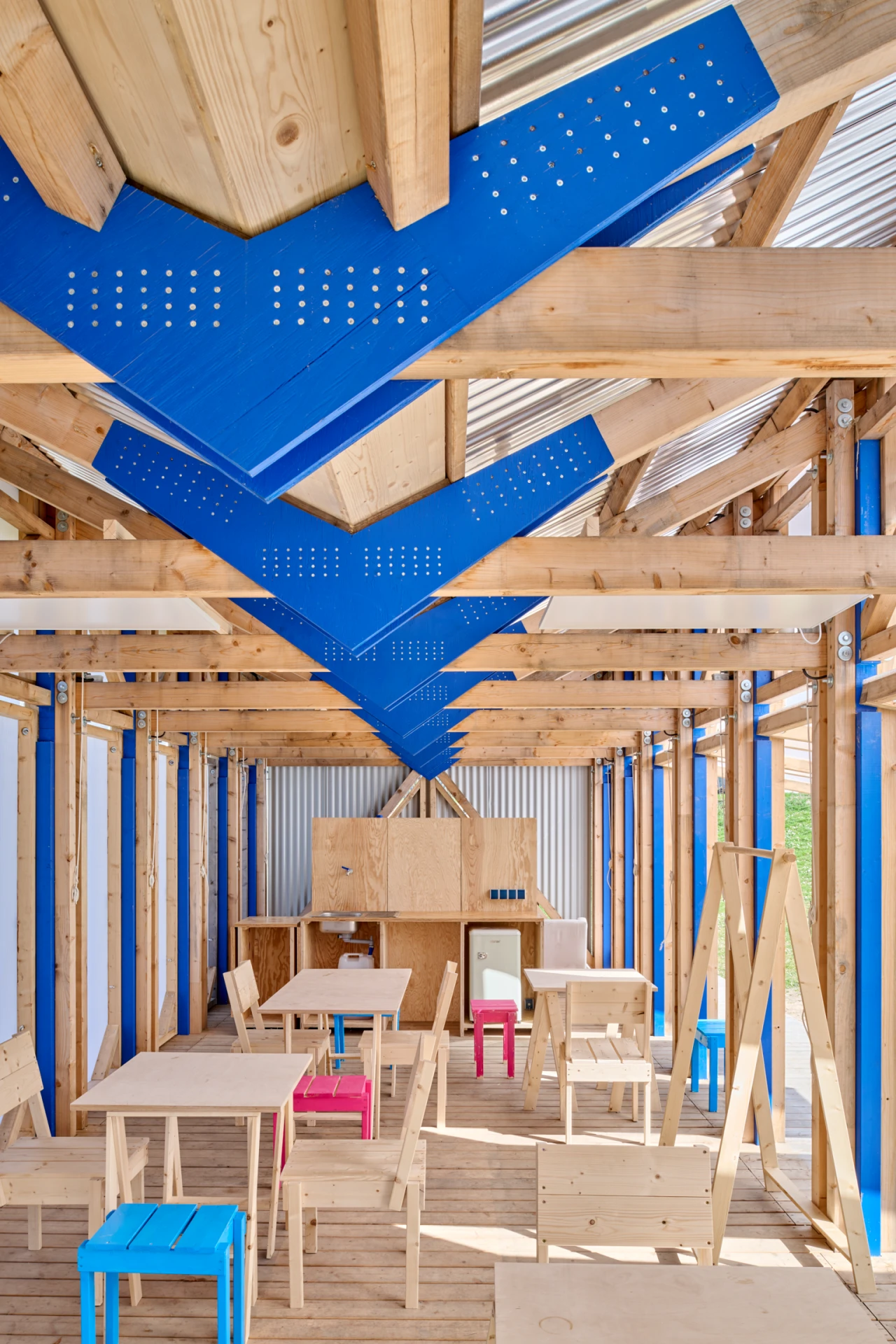
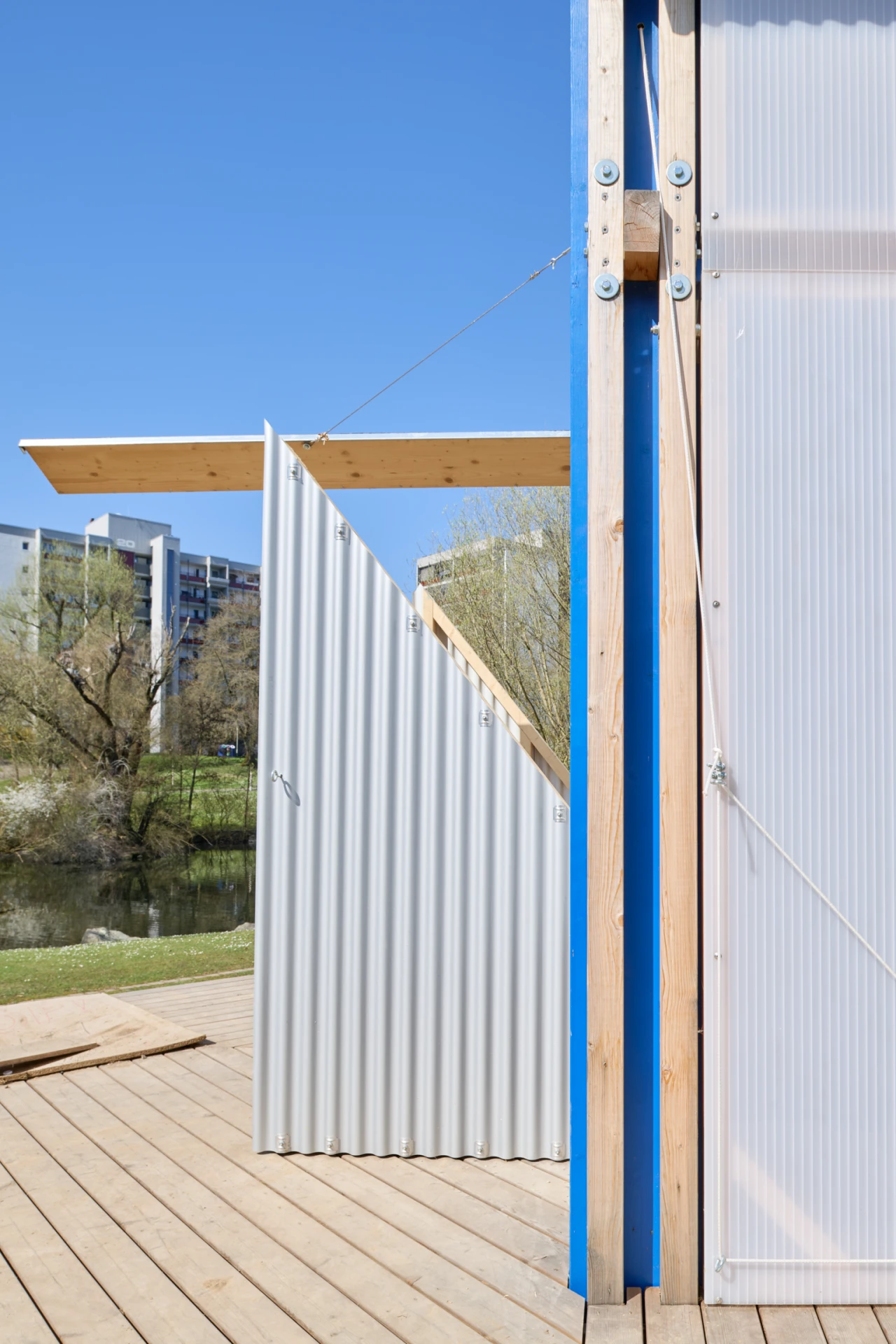
Sometimes it’s the little things that inspire us the most. When I heard about this project on Ben-Gurion-Ring right in my neighborhood, I knew straight away that I had to photograph it. It reminded me a lot of my studying days, when we also completed several semester projects in the architecture faculty’s workshop. In fact, the pavilion is also a joint project between the City of Frankfurt am Main and TU Darmstadt. Particularly interesting is the graphic structure made of sheets of corrugated metal, wood, and acrylic panels, which can be flexibly opened up toward the surrounding park. Capturing this functionality and the colorful, modular furniture inside were especially exciting aspects of the photo shoot.
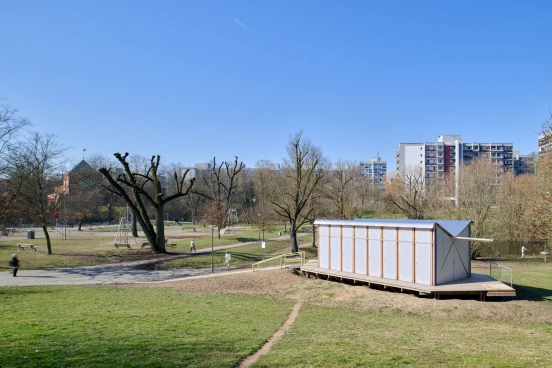
Pavilion in the park with trees, path and playground, Haus am See, Ben-Gurion-Ring, Frankfurt
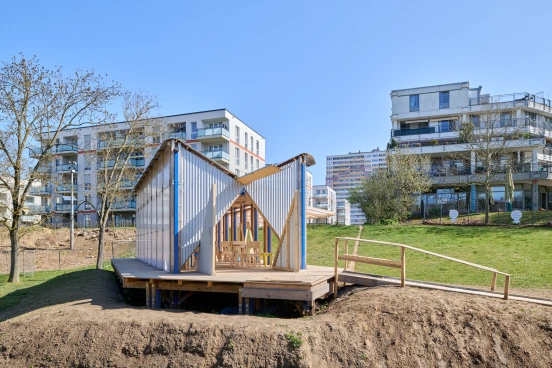
Pavilion with partly opened wall elements on an earth mound in front of housing, Haus am See, Ben-Gurion-Ring, Frankfurt
View through the opened pavilion into the interior with wooden furniture, Haus am See, Ben-Gurion-Ring, Frankfurt
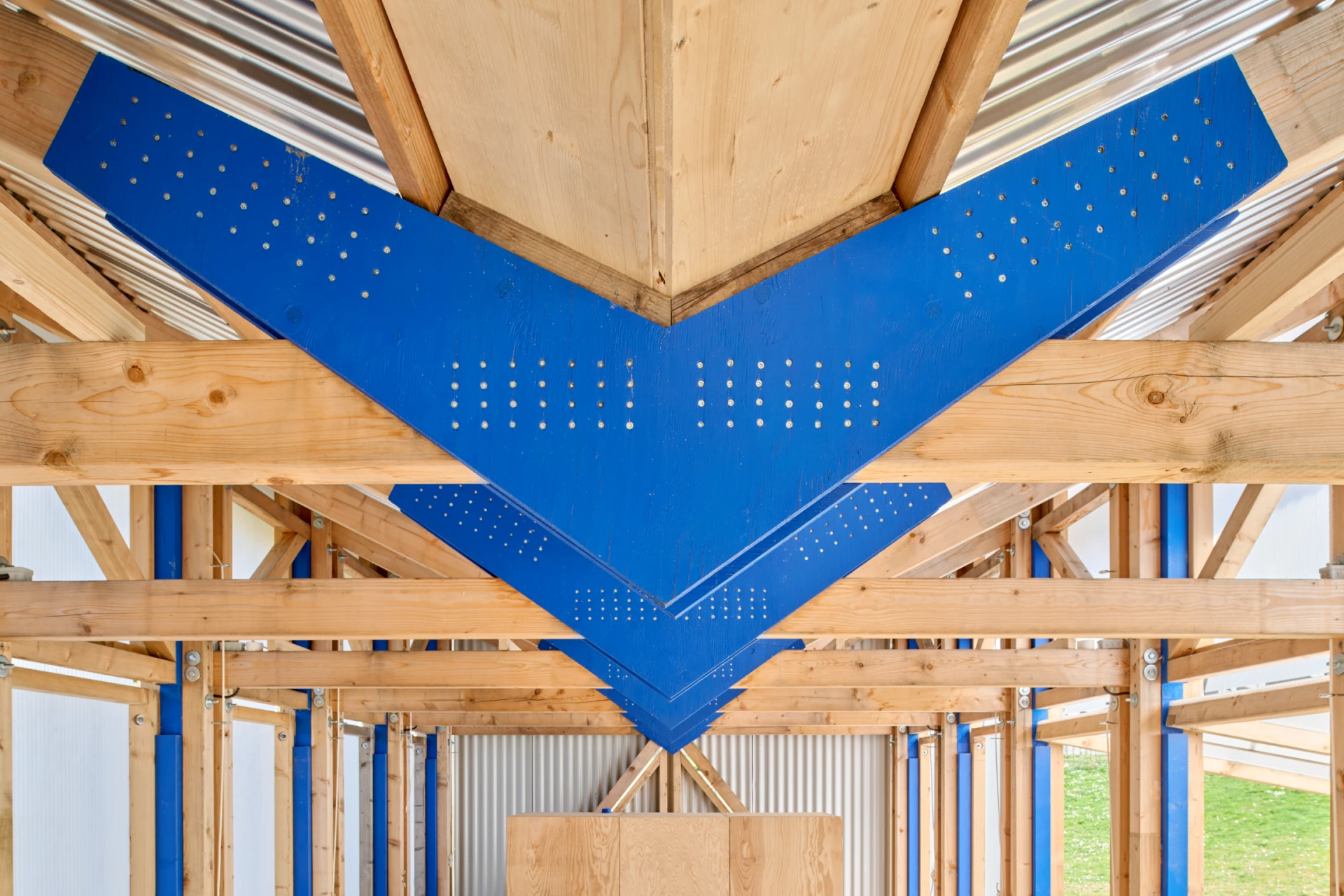
Interior with wooden furniture, colorful stools and triangular blue connecting elements in the roof, Haus am See, Ben-Gurion-Ring, Frankfurt
Detail of the triangular blue connecting elements in the roof construction with visible screw heads, Haus am See, Ben-Gurion-Ring, Frankfurt
Detail of the pavilion's corrugated-metal door leaves next to a blue timber post, Haus am See, Ben-Gurion-Ring, Frankfurt

Historic charm meets modern design

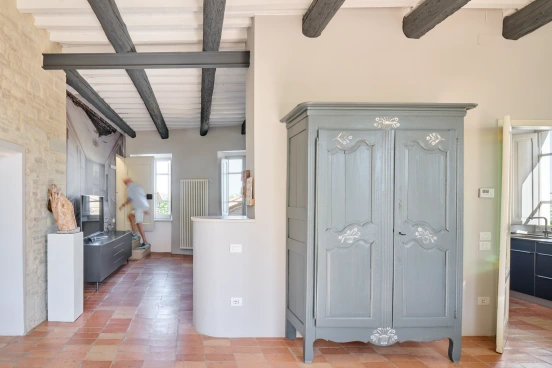
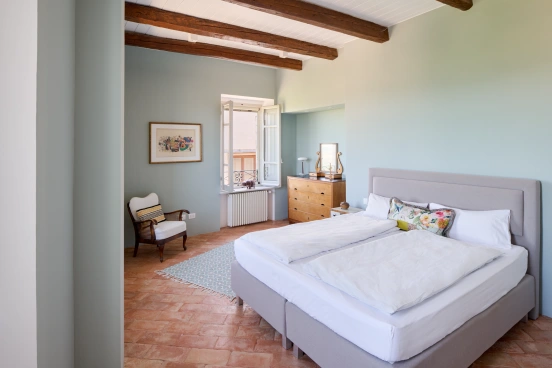
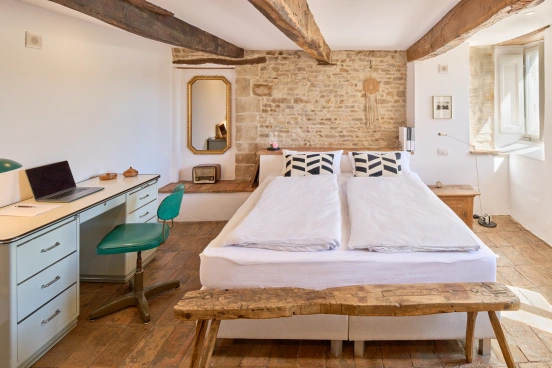
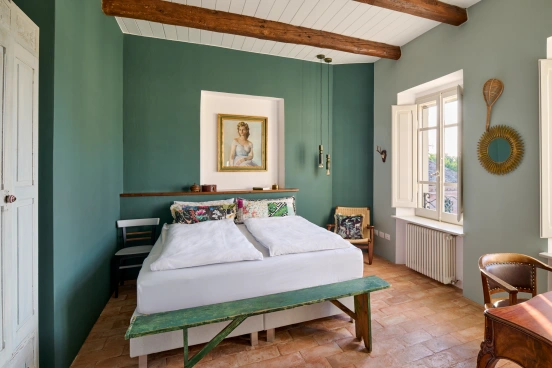
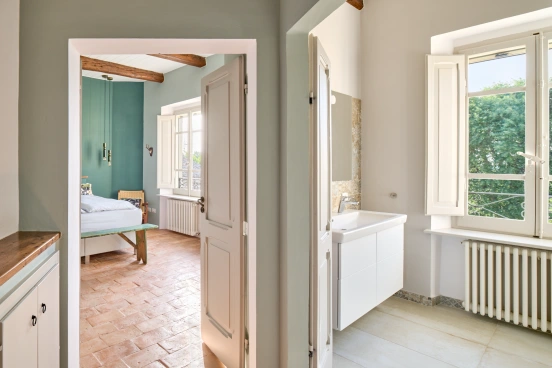
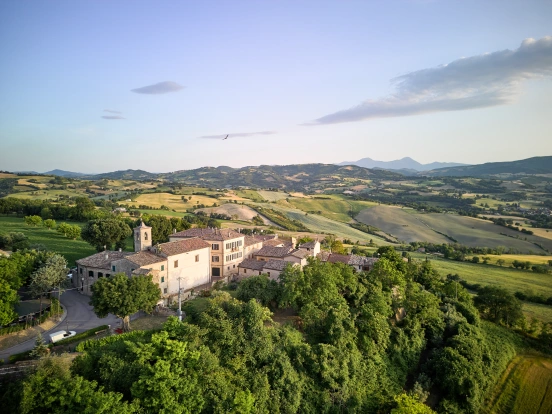
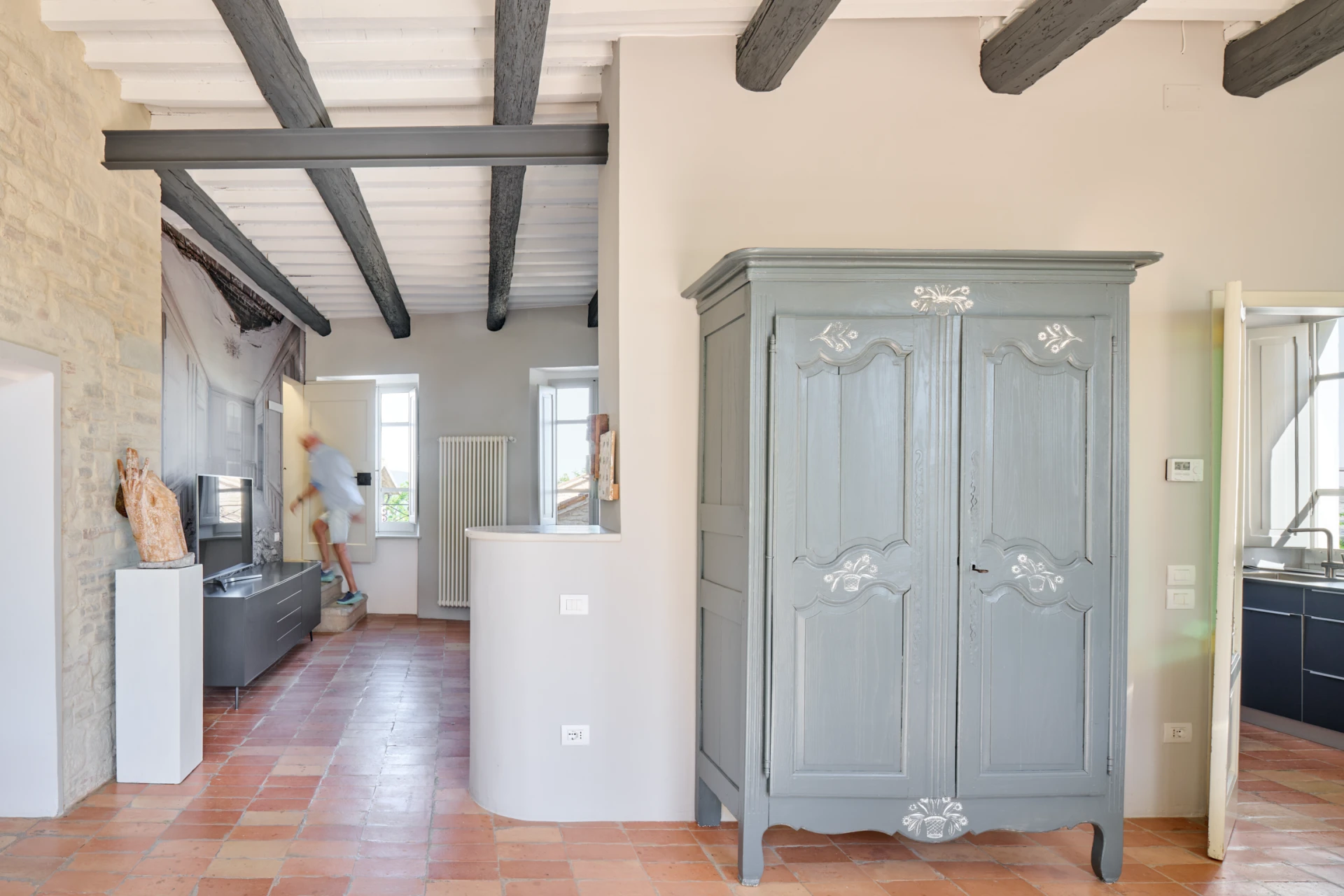
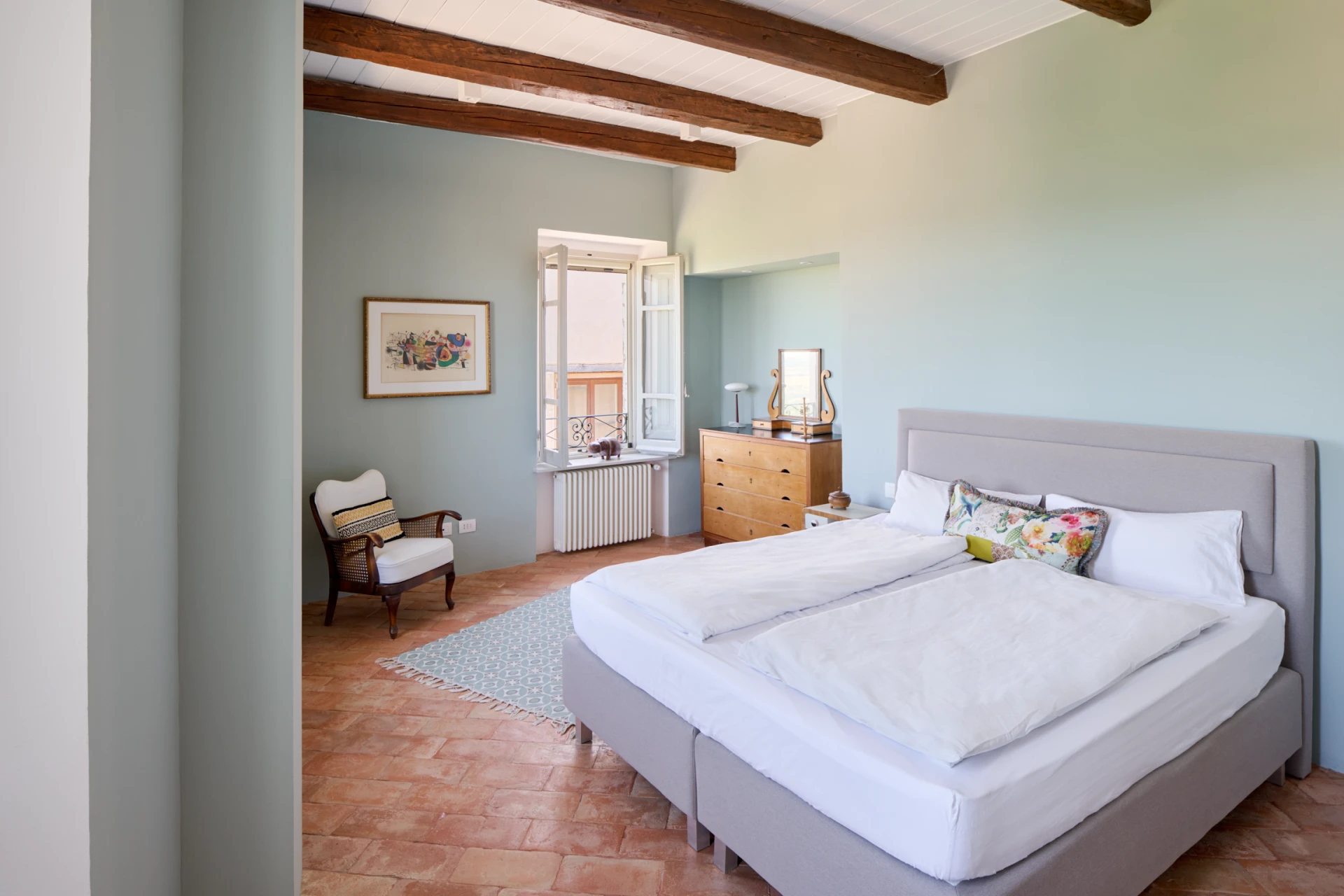
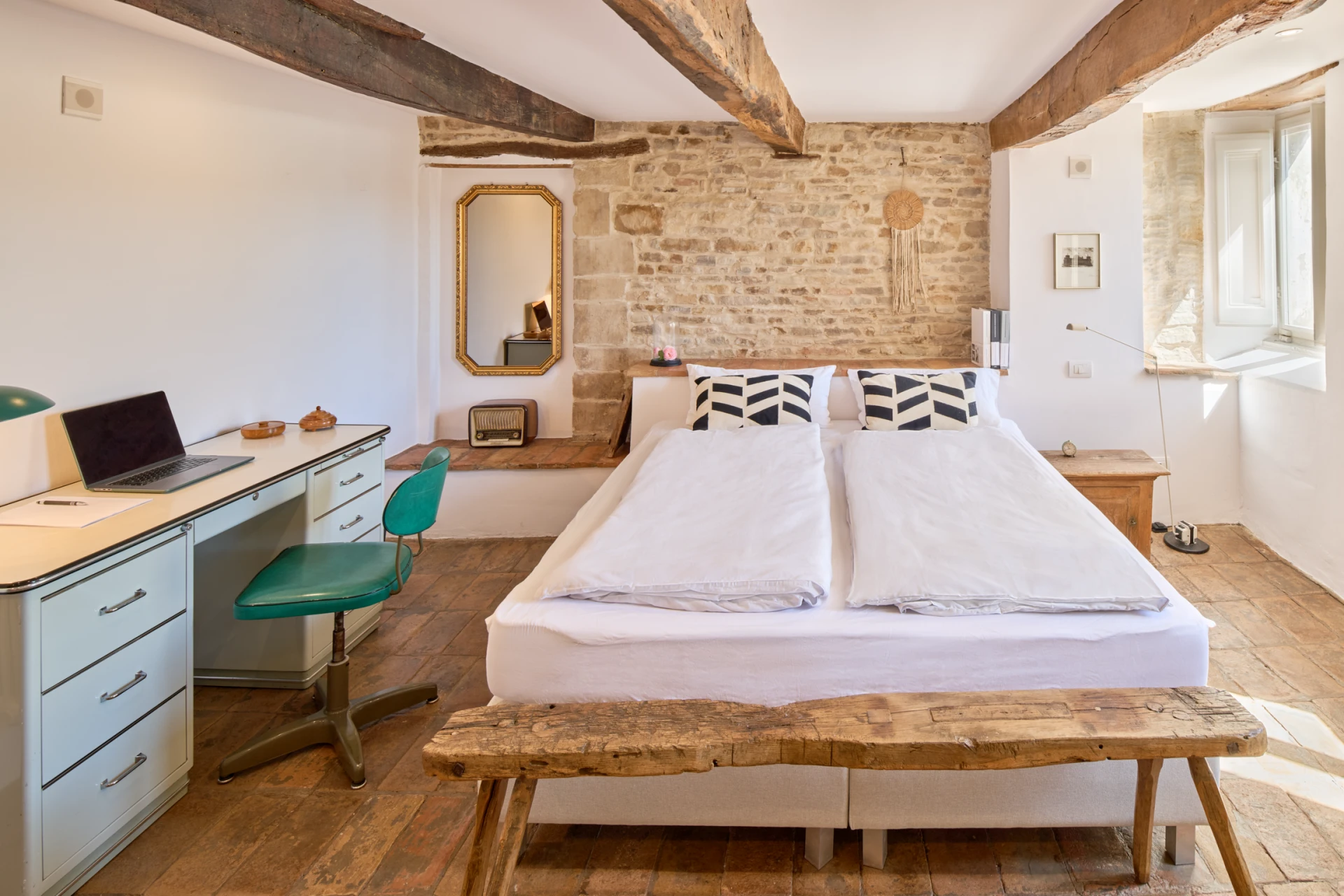
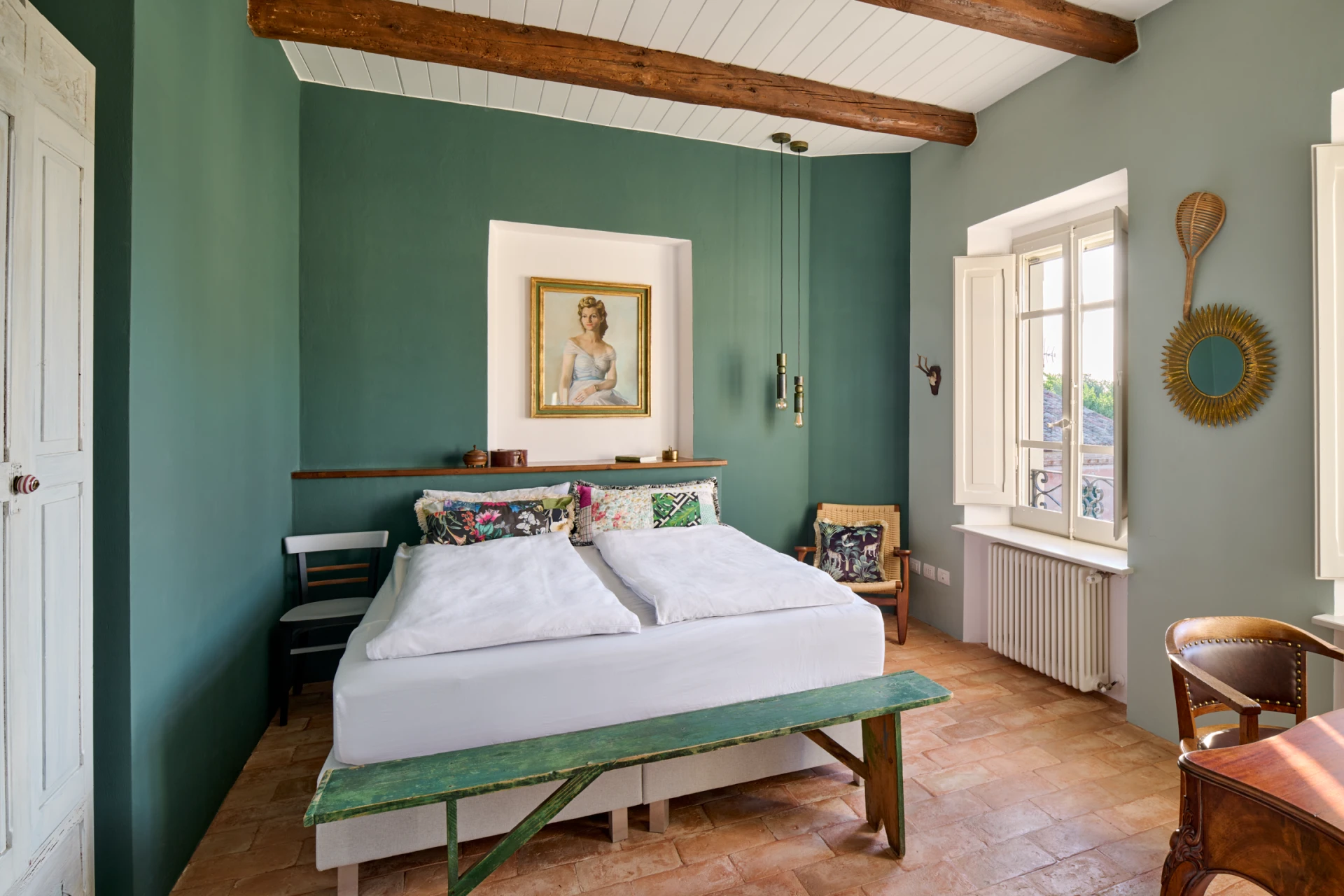
Palazzo Minzoni is located in the heart of the small village of Reforzate, situated atop a hill. Due to the building’s long history and various expansions over time, it features multiple levels that create a highly complex floor plan. Particularly impressive is a mezzanine level situated between the first and second upper floors, accessible through a door in the small stairwell. Behind the door is a complete living unit with three rooms and a bathroom. The new, wide-open views created by the loft windows give the space a vivid feeling of openness. They continue to tell the building’s history, reinterpreting it in a modern way. The large windows in every room let in plenty of natural light and offer magnificent views of the gentle hills of the Marche region. With four bedrooms and three bathrooms, the palazzo can accommodate up to eight guests. This place is an exciting vacation destination, especially for those with an interest in architecture. In addition, the region offers many beautiful places to visit and allows you to experience authentic Italian life away from the tourist crowds. If you’re curious and would like to spend a vacation there, you’ll find all the information on the website www.palazzominzoni.com.

Palazzo Minzoni – An Italian way of life

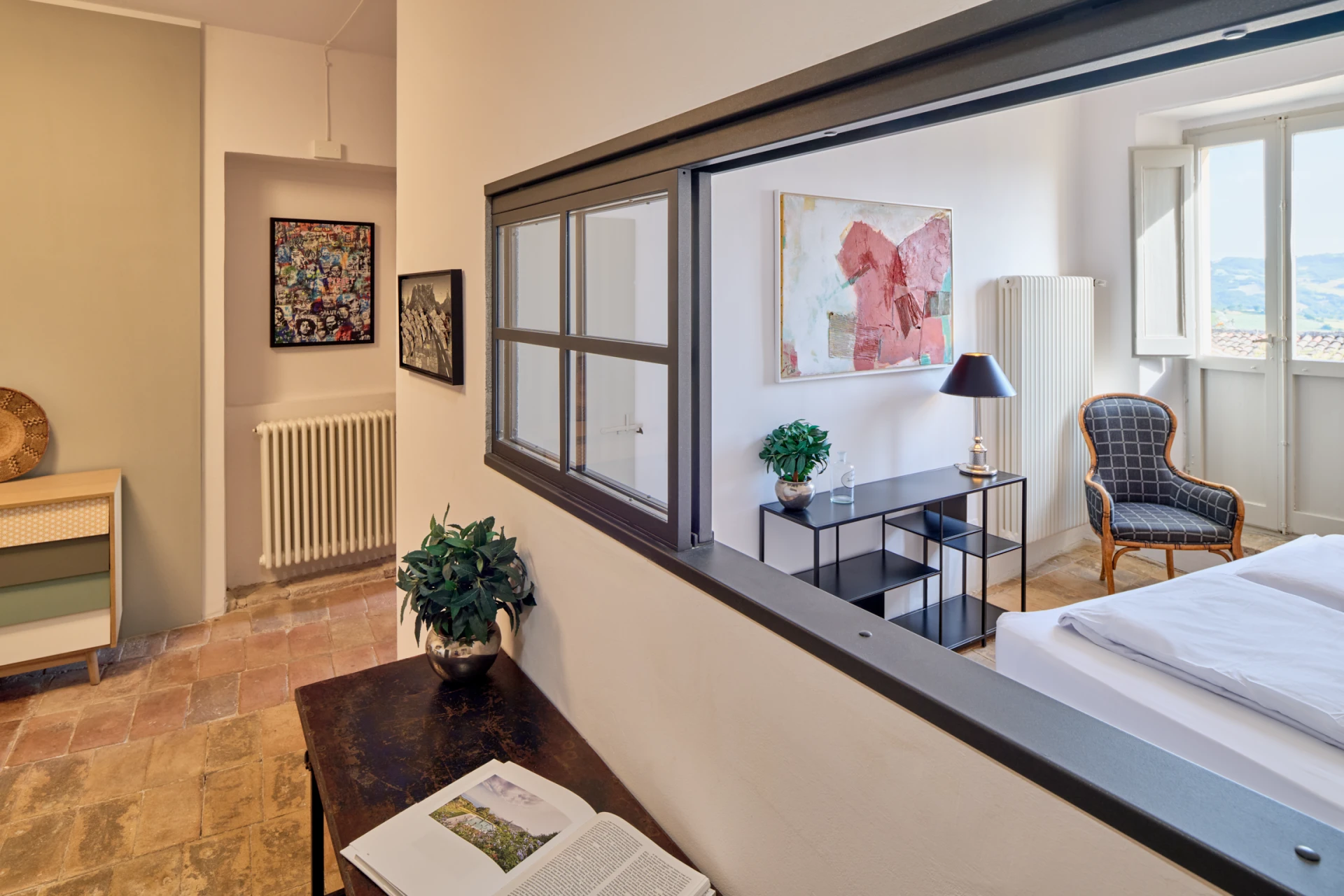
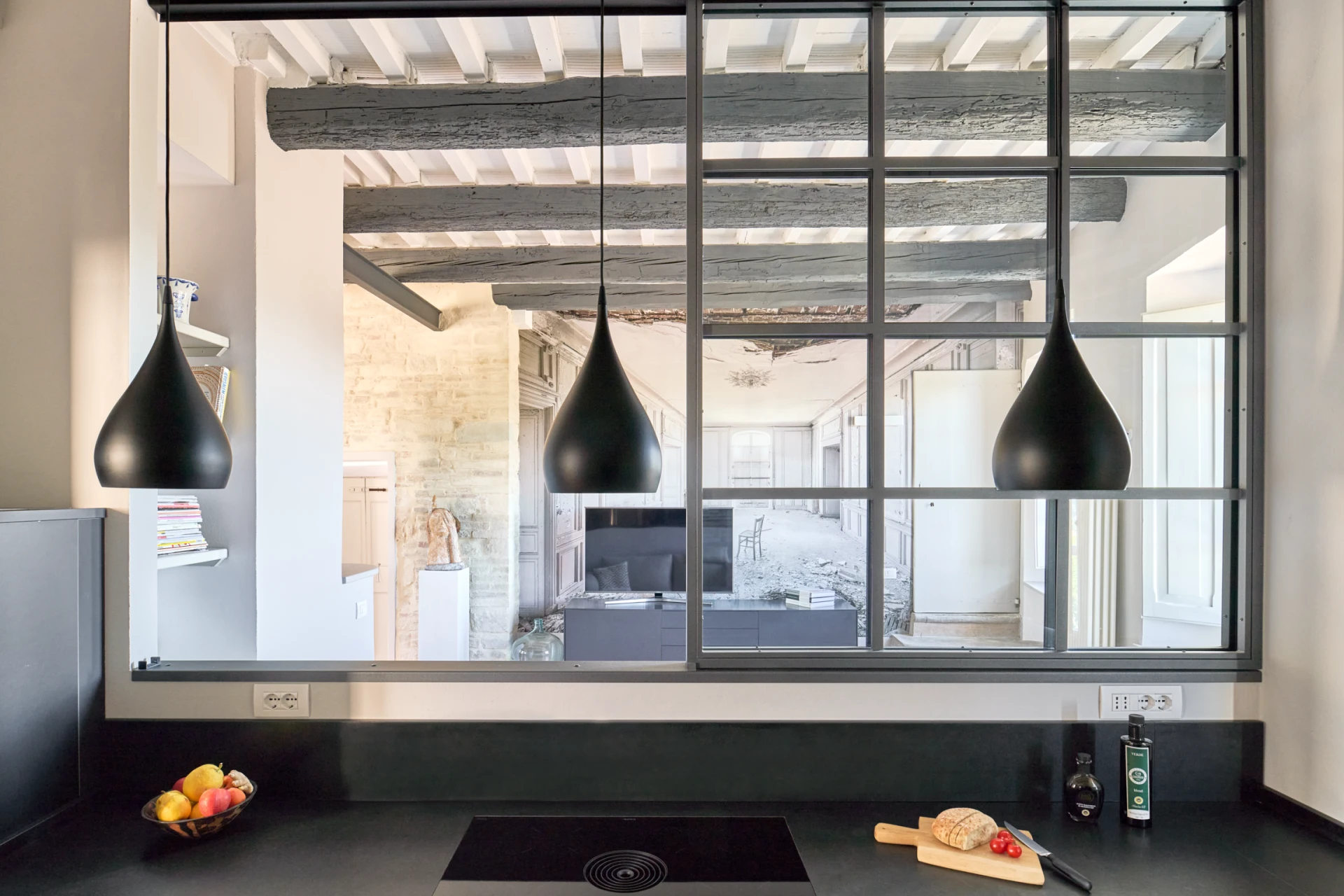
How do I capture the feeling of a place that’s both a vacation destination and a piece of architectural history at the same time? That was the challenge I faced when I started working on this ancient Italian palazzo, whose walls date back to the 6th century. Since the photos were specifically intended for publication on the Urlaubsarchitektur website, the best approach was to focus on the architecture and the building’s intriguing organic floor plan. In addition, there are two modern loft-style windows that open up the rooms and create a completely new, modern living experience. This fresh interpretation, combined with an interior featuring a mix of modern and antique furniture, gives the palazzo an appealing charm that makes you want to spend your vacation there.
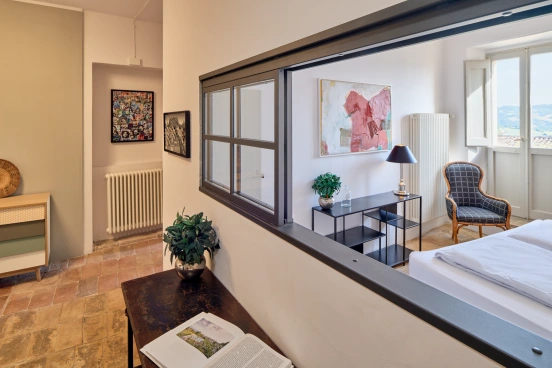
View through the interior window of the living floor into a bedroom, Palazzo Minzoni
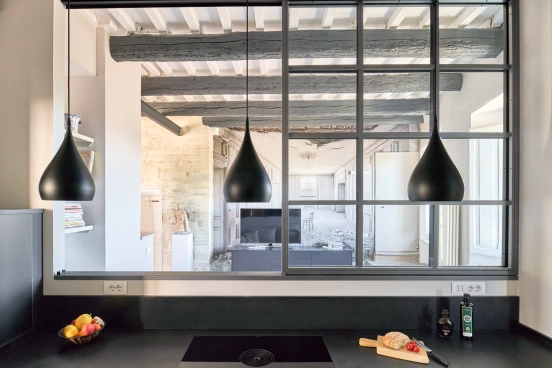
Kitchen with black countertop, pendant lamps and black-framed interior window to the living area, Palazzo Minzoni
Living area with grey-painted cabinet, dark timber beams and terracotta floor, Palazzo Minzoni
Bedroom with double bed, upholstered headboard, timber beams and antique armchair, Palazzo Minzoni
Bedroom with desk, rustic bench, natural stone wall and timber beams, Palazzo Minzoni
Bedroom in the Green Salon with dark green walls, bench and portrait in the wall niche, Palazzo Minzoni
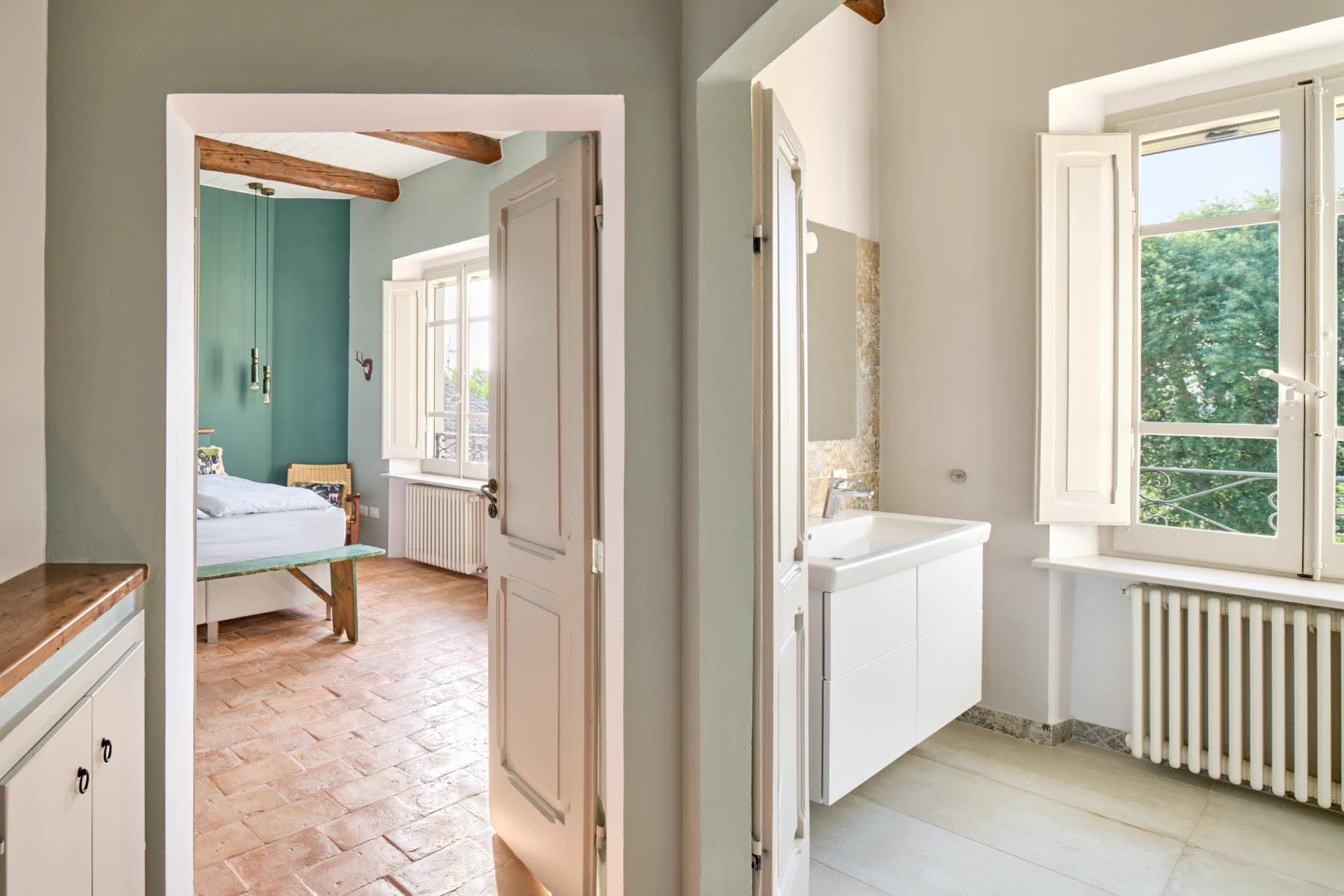
View through the door from the bathroom into the bedroom, Palazzo Minzoni, Marche
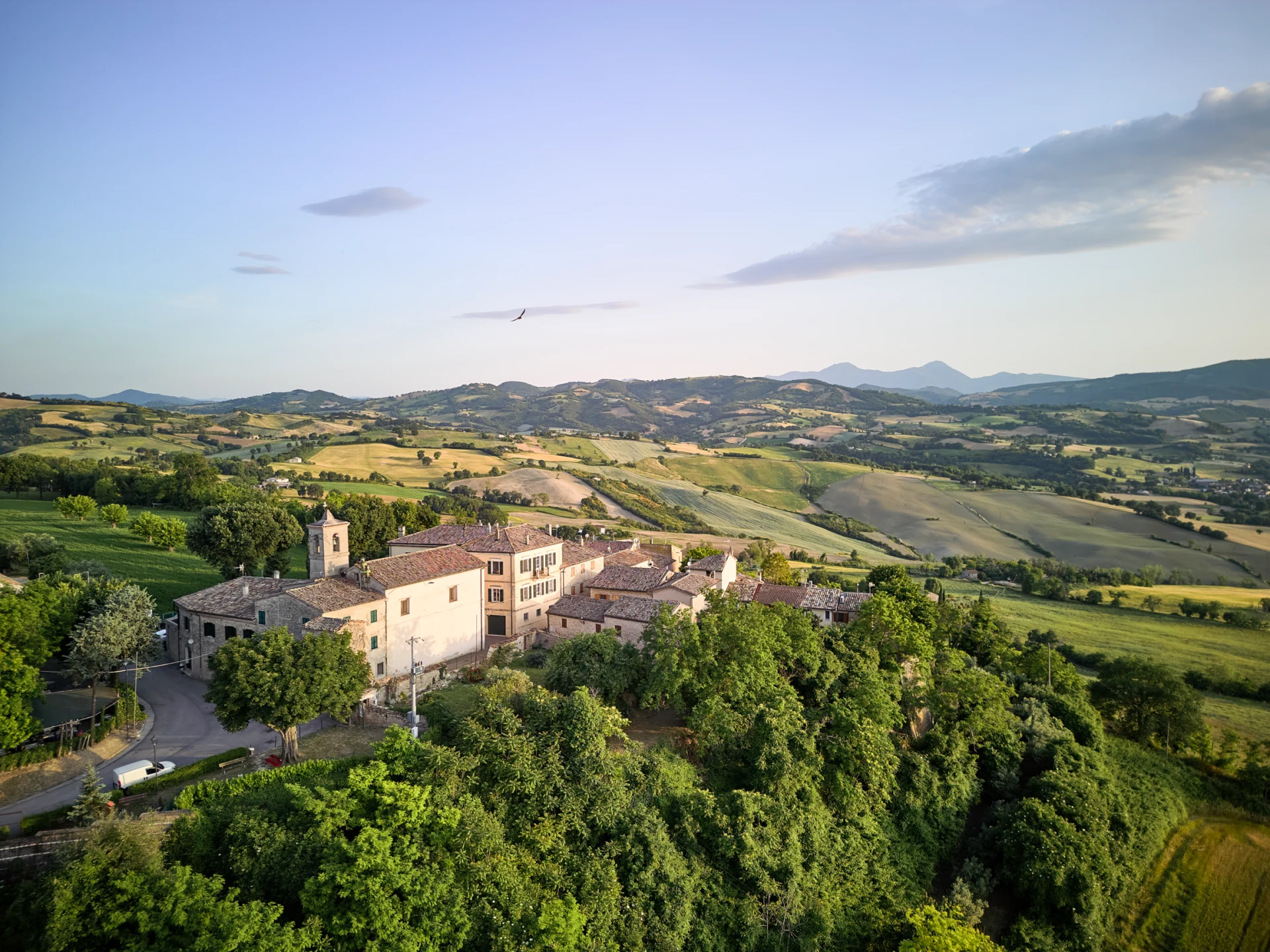
Aerial view of the village of Reforzate with church tower in the evening sun, Marche

Between architecture and movement: the energy of the city becomes visible

The two painted pedestrian tunnels are located along a single axis of movement and form a cohesive system: one tunnel passes under an expressway, while the other passes under the railroad tracks and is directly connected to a staircase leading to the S-Bahn station. In between, there is a bicycle shelter and a container in the public space adjacent to the Park & Ride lot, which are also part of the overall design. The most exciting part of the artwork is the tunnel with the staircase leading to the S-Bahn. There, the directions of movement intersect, creating a special dynamic between the artwork and passersby. The video also captures the atmosphere transformed by the design, which makes the space appear in a new light.
The project was initiated by the City of Eschborn to improve the quality of the cityscape for its residents. The mural’s implementation was led by the urban art agency Lucky Walls, founded by Peter Stöcker. You can find more images and details on the project page Pedestrian Tunnel Peter Stöcker.

Architecture film
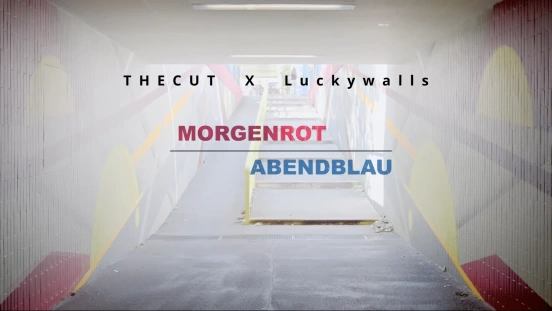
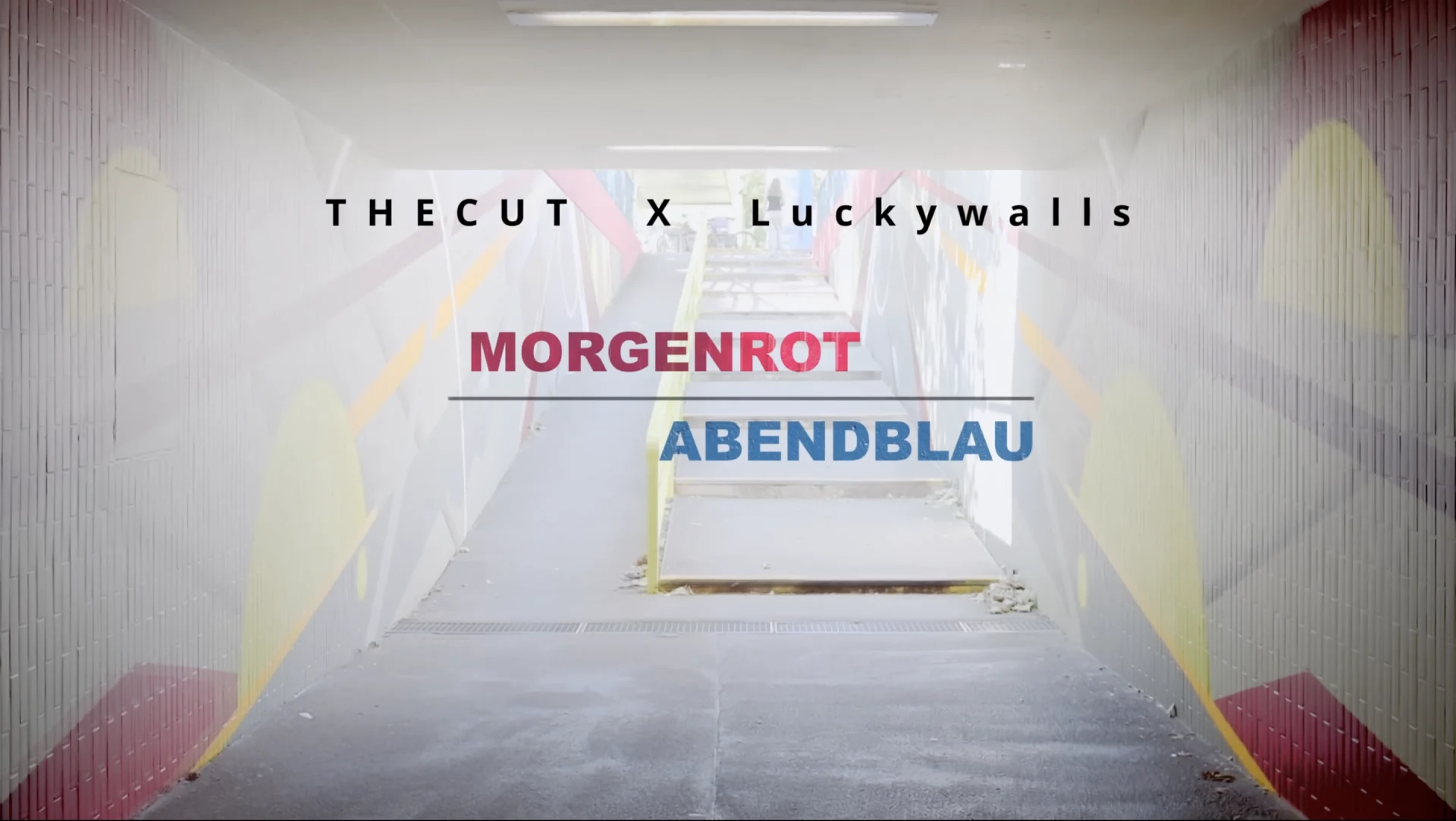
“Morgenrot & Abendblau – Redefining Art in Public Spaces”

We often associate art with museums or paintings and sculptures that are displayed as elements of interior design. With urban art, the focus shifts from the more decorative to an artistic design that transforms the entire space. For this project in the Eschborn-Niederhöchstadt neighborhood, two pedestrian tunnels were transformed by Bremen-based artist Peter Stöcker, alias THECUT, with a dynamic abstract mural. The colorful artwork “Morgenrot & Abendblau” adapts to the architecture of the tunnels and interprets the movements of passing pedestrians. Given the structure consisting of two tunnels and the connected S-Bahn station, it was particularly important to depict the complexity of the different areas and their uses. Through the video documentation of the project, we were able to highlight the connections between the various areas, as well as the interaction between people and the art installation.

Corporate film
“We are PreHCM!”

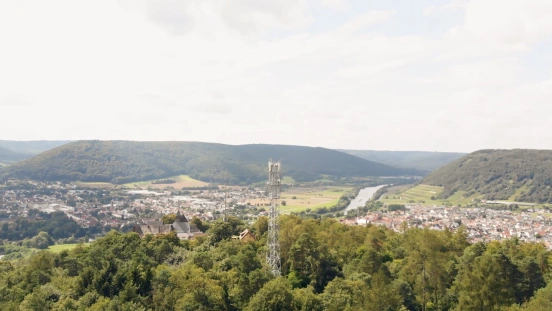
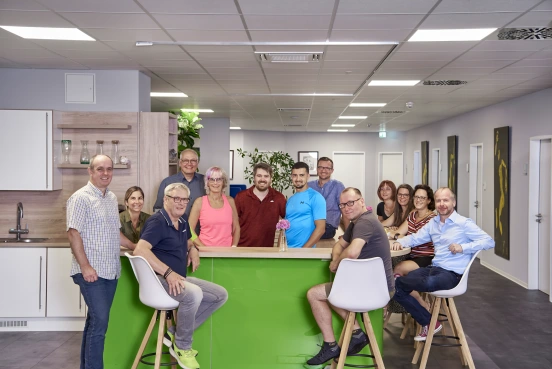
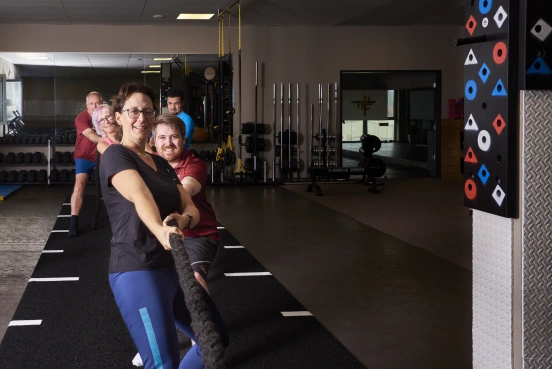
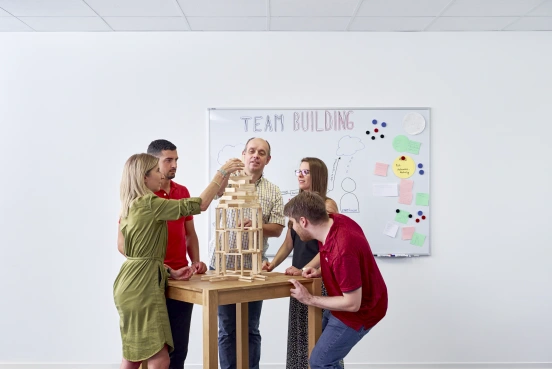
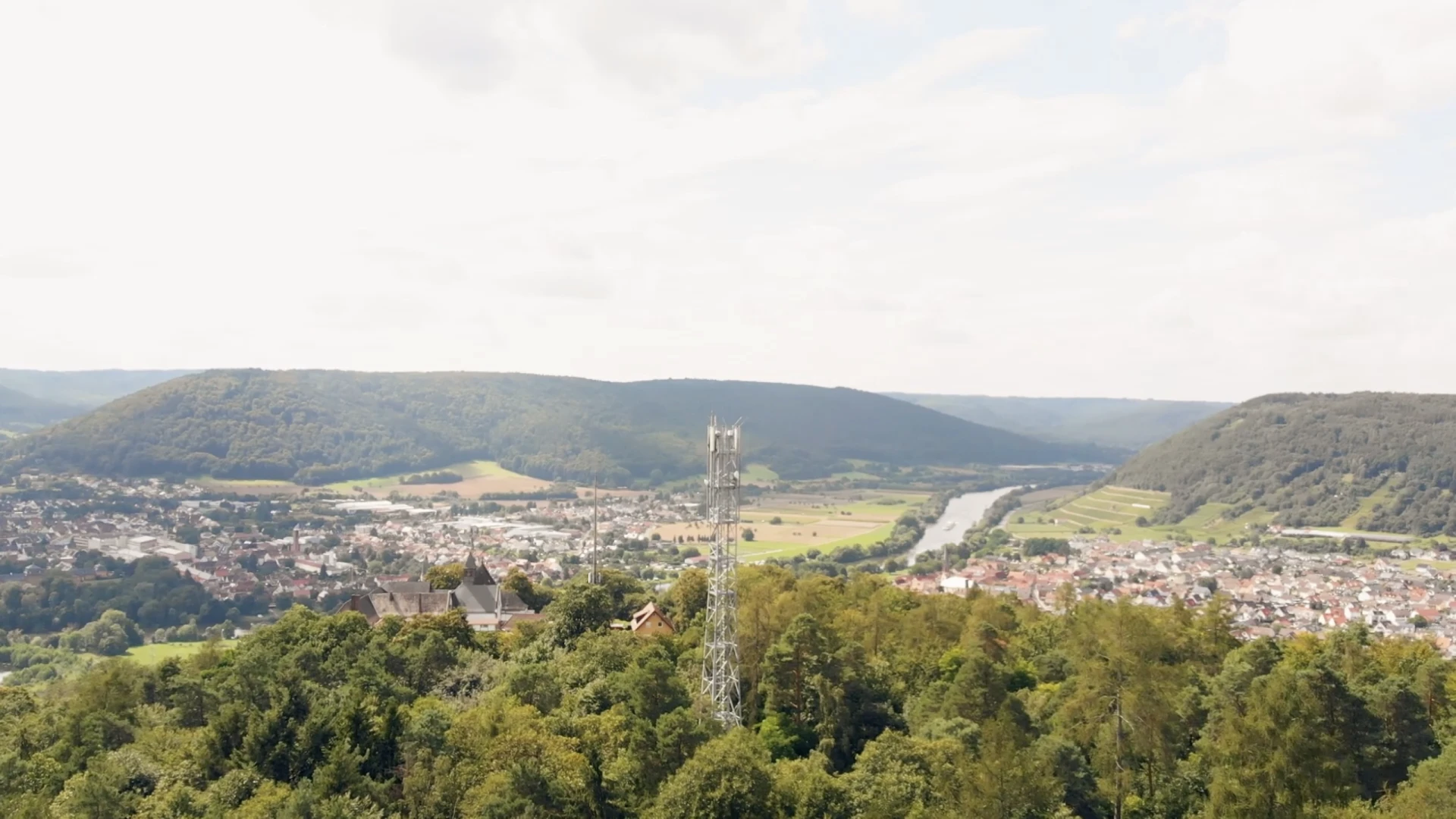
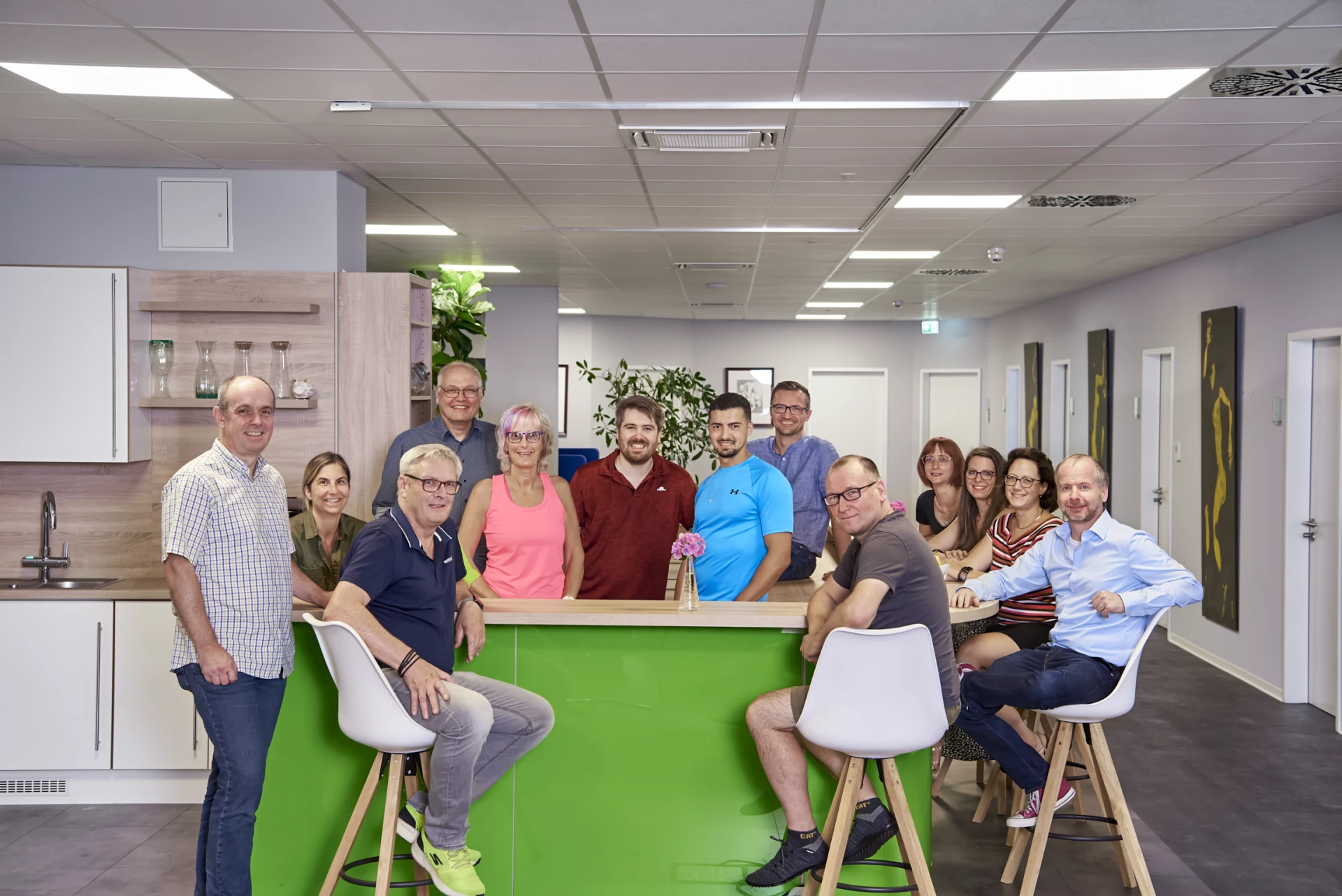
“Software architecture for mobile communications” is the goal PreHCM Services GmbH from Miltenberg has been working toward for many years, to ensure a reliable mobile network in Germany and the border regions. In the corporate film we developed, we show the appeal of PreHCM Services GmbH as an employer and offer an insight into its day-to-day work. The film particularly emphasizes the flat hierarchies, collegial cooperation and flexible workplaces. Through statements from different employees, it creates trust and shows future employees what they can expect.
Corporate film PreHCM Services GmbH
Employee team, PreHCM Services GmbH
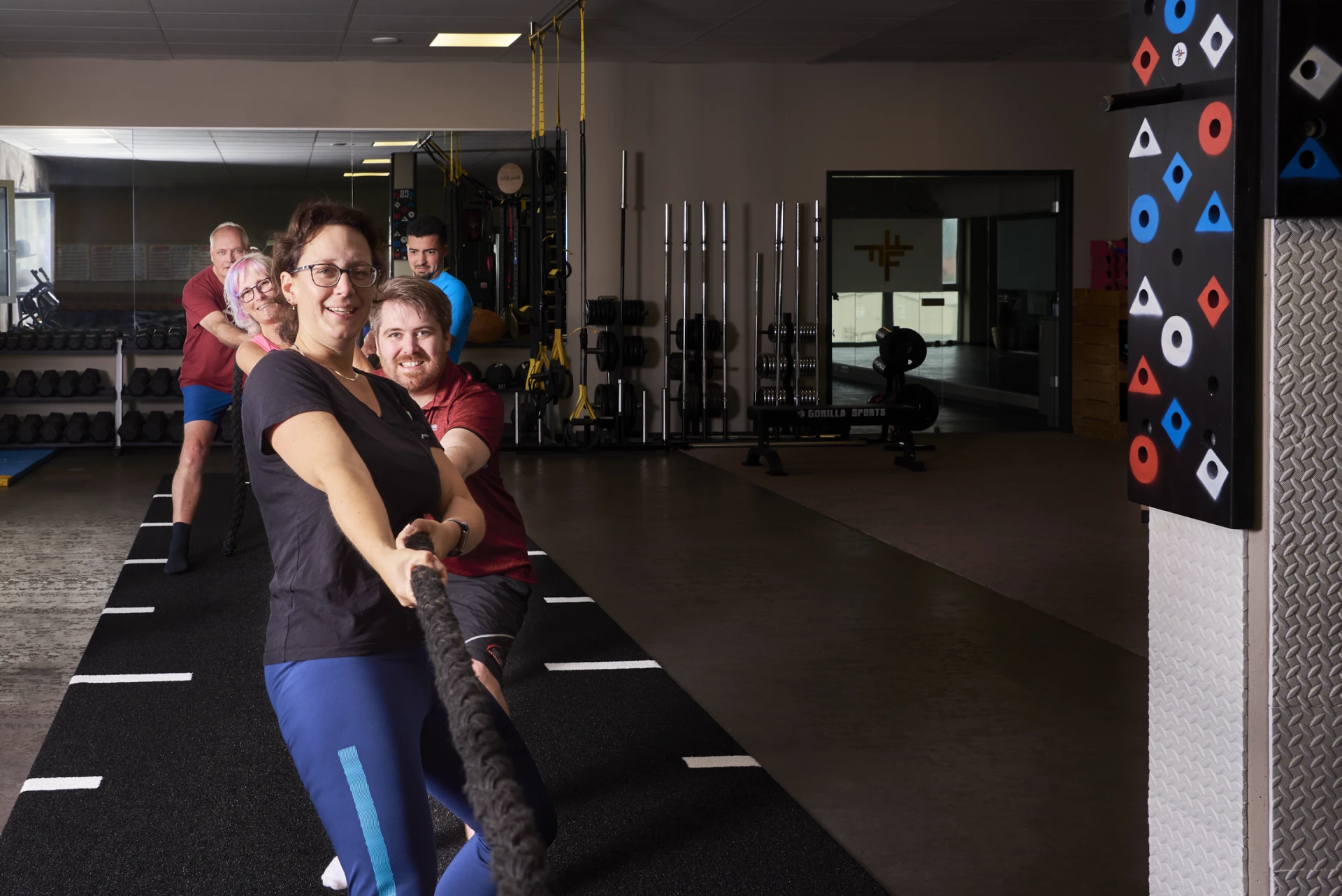
Corporate image photo team spirit, PreHCM Services
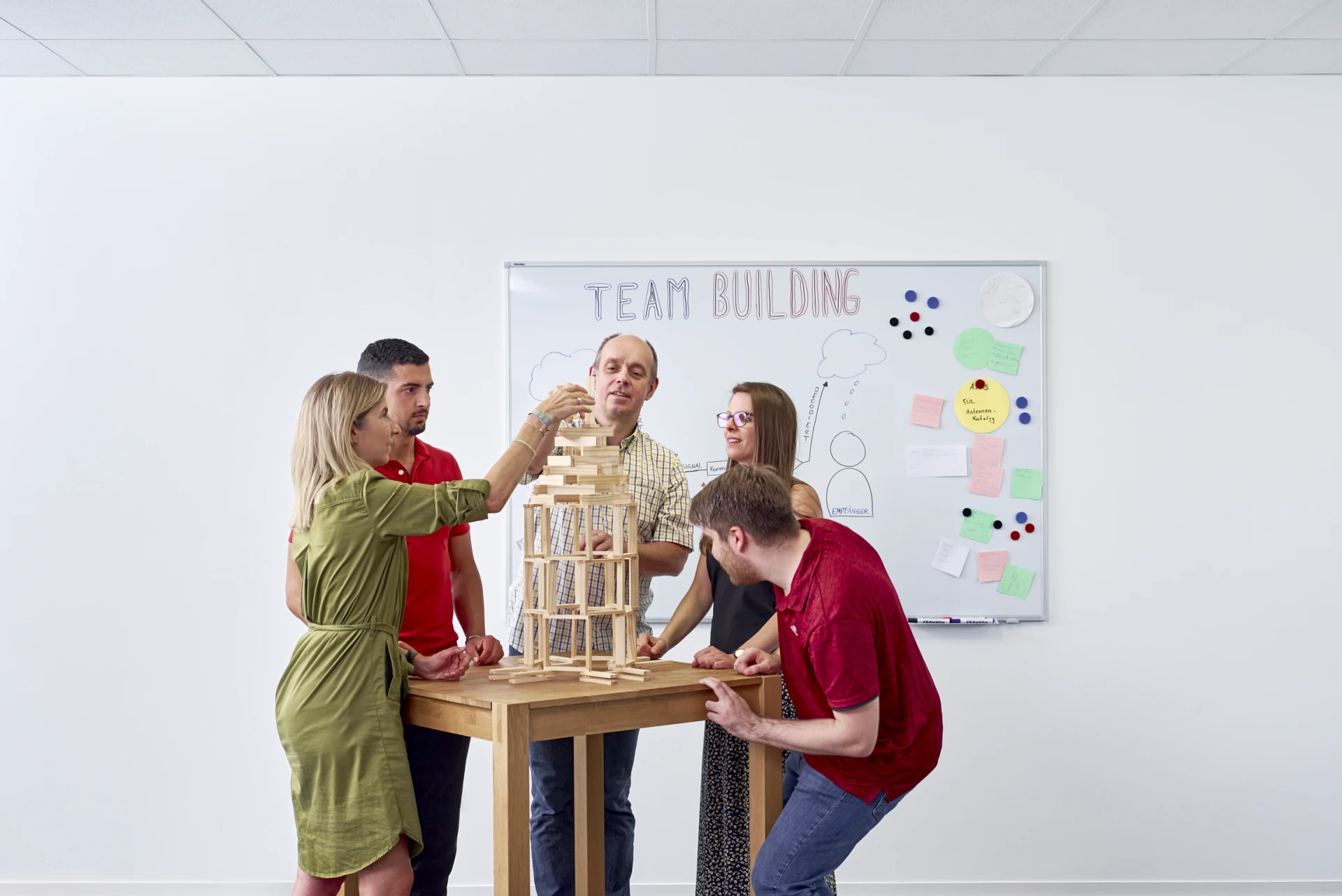
Corporate image photo teamwork, PreHCM Services GmbH

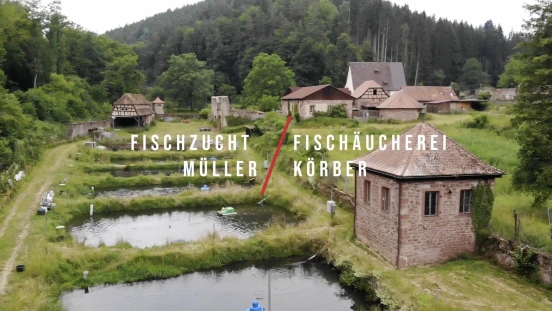
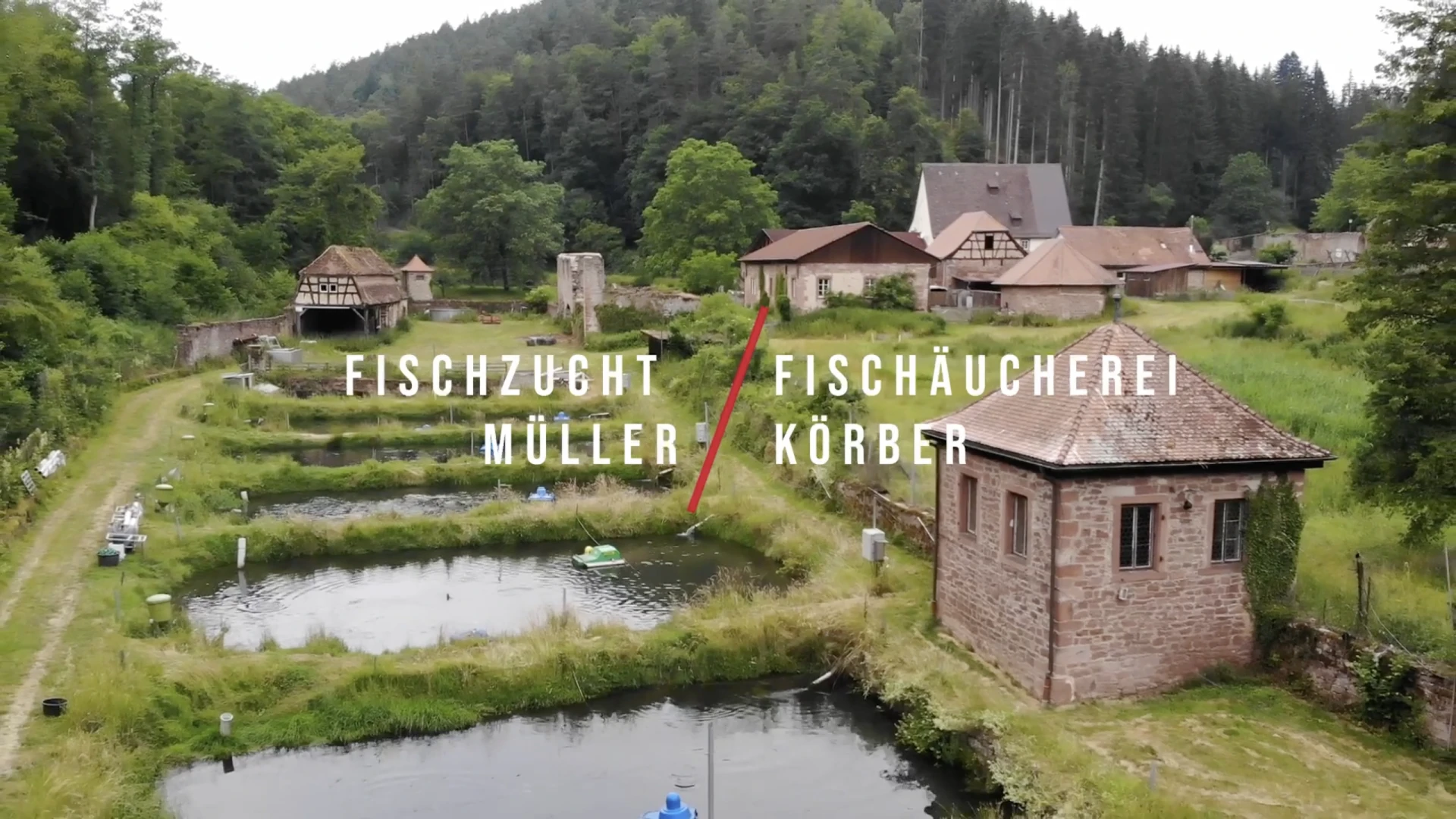
Testimonial video “Premium quality salmon”

The Austrian company S.A.M. Kuchler made history with the first fully automatic slicing machine. Today, however, slicing machines play a role not only at supermarket counters. A machine specially developed for slicing fish enables precise and thin slicing of smoked salmon, for example. In addition to precision, automation also speeds up working processes and allows businesses to significantly increase their sales. Fischräucherei Körber from Schwabach and Fischzucht Müller from Birkenfeld offer an exciting insight into their production.

Architectural Photographer Florian Kaiser-Winter

Who am I? What drives me? What are my skills?

Born in Düsseldorf in 1995, I moved to Frankfurt am Main in 2020, a city known for its skyline and an exciting architectural history. I discovered my fascination for architectural photography in 2016, when the new Wehrhahn Line in Düsseldorf was opened. At that moment, I realized that architecture is more than just a building. Architecture shapes urban space and can shape its use. An interest that has stayed with me ever since. For me, architecture is a genre of applied art. As an architectural photographer, my mission is to document the beauty and function of imposing architectural works and to bring them to life by including people.

My photographs should show the uniqueness of your building from exciting perspectives. From industry professionals to everyday users, everyone should recognize the creative ideas of your design and become inspired. My photographs should give you the opportunity to share your work with the world and bring architecture to life. Visibility is more important today than ever. Communication through visual references is crucial to publicize your projects and attract new clients.

My journey to architectural photography and video production

After graduating from high school, I first studied communication design at Düsseldorf University of Applied Sciences. There I focused on photography and discovered my passion for telling stories in moving images. I then deepened my skills in the Photographic Studies master’s program at Dortmund University of Applied Sciences and Arts and focused on architectural photography. At the same time, I developed a concept that combines product videos with testimonials to create an authentic documentary commercial. Films can tell stories in even more layered ways and convey information more easily.

The combination of my degrees in communication design and architectural photography not only gives me the opportunity to present your projects to a wide audience in a targeted way. My expertise in visual communication also enables me to develop communication concepts and design books and brochures.

In addition to my professional work as a photographer, I am committed to supporting people in creative professions with my skills.

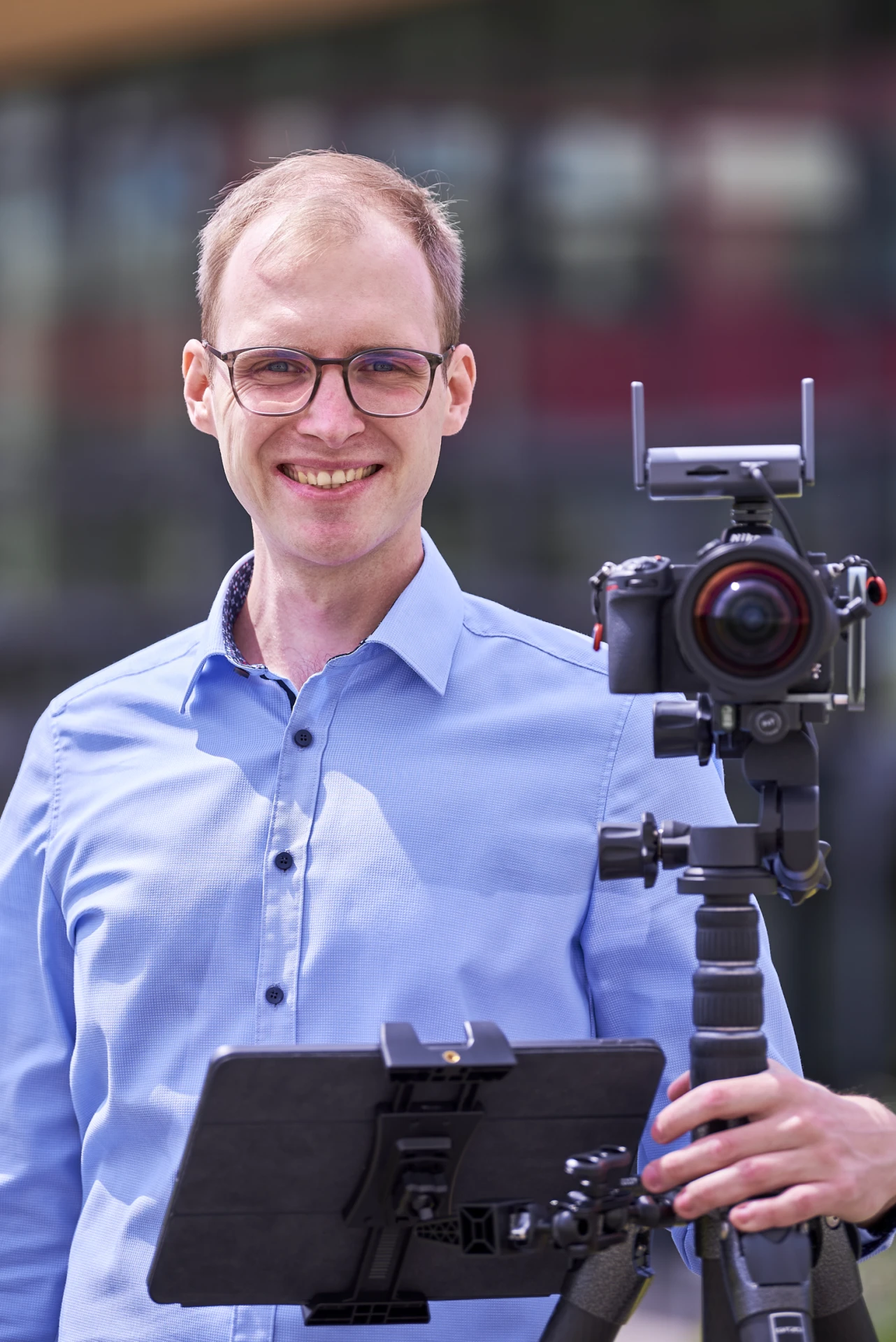
Portrait of Florian Kaiser-Winter, architectural photographer, with a camera on a tripod