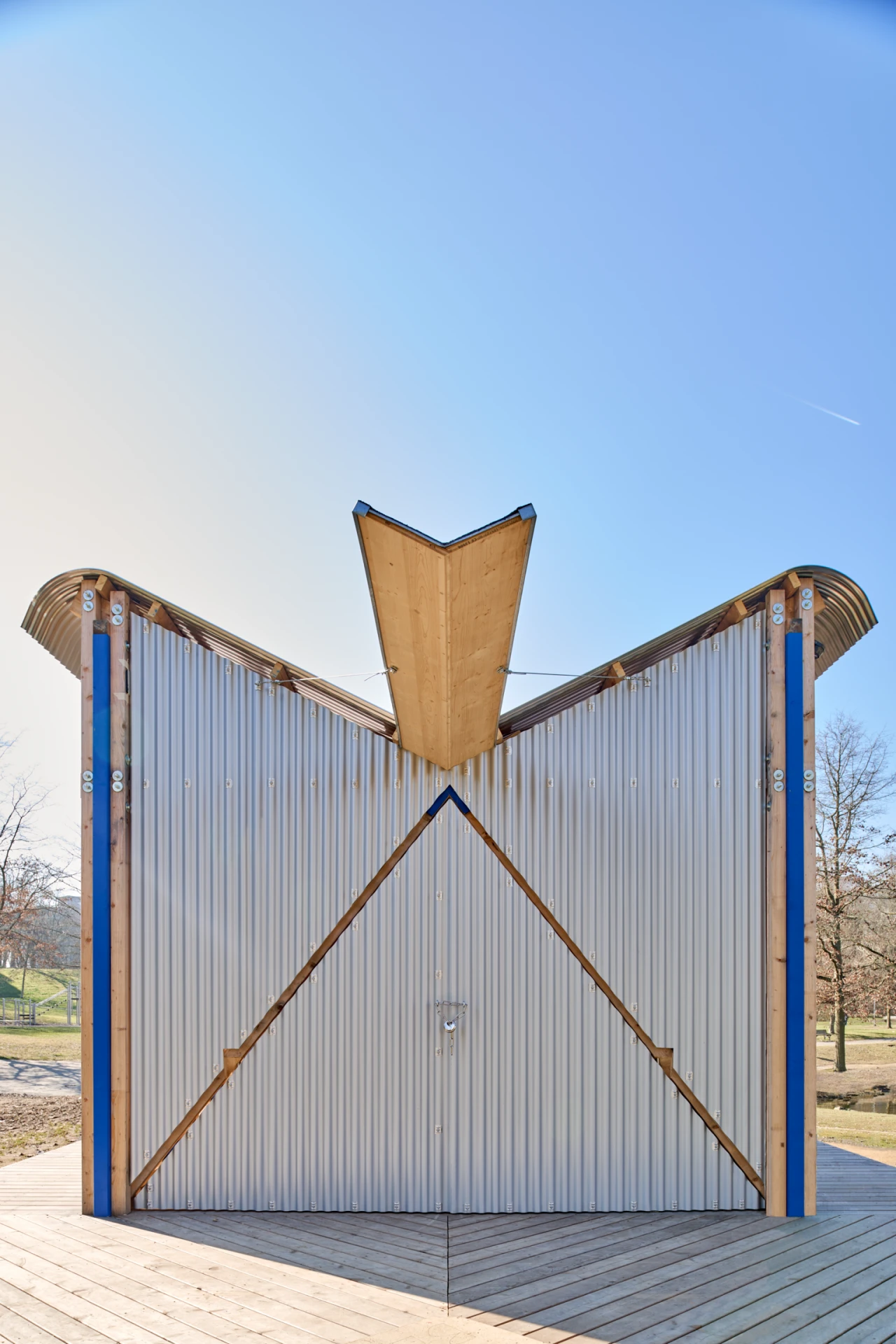
Form follows function? Architecture and photography in the context between art and purpose
The essence of photography: reality, light and the moment
At its core, photography is a technical process. At the same time, it is also an art form that is defined by carefully chosen compositions. The technical aspect is based on a process of making light visible, as the name suggests: “photo” comes from the Ancient Greek word for “light,” and “graphy” also means “drawing” in Ancient Greek. With the help of a lens, the light rays reflected from the subject are projected onto a light-sensitive medium and captured there directly. Whether using analog film or a digital sensor, the photograph emerges as an immediate record of a specific moment in reality.
However, the photograph is only a relative representation of this reality. While it depicts a real state of affairs, the image shows only a fragment that the photographer has consciously (or unconsciously) selected through framing, perspective, or focus. In its subsequent reception, however, the photograph is viewed without reference to this reality and offers room for interpretation. A photograph thus always oscillates between the reality and a fiction, yet with the knowledge that what is seen must have actually existed.
Architectural photography as a service: documentation and creative restraint
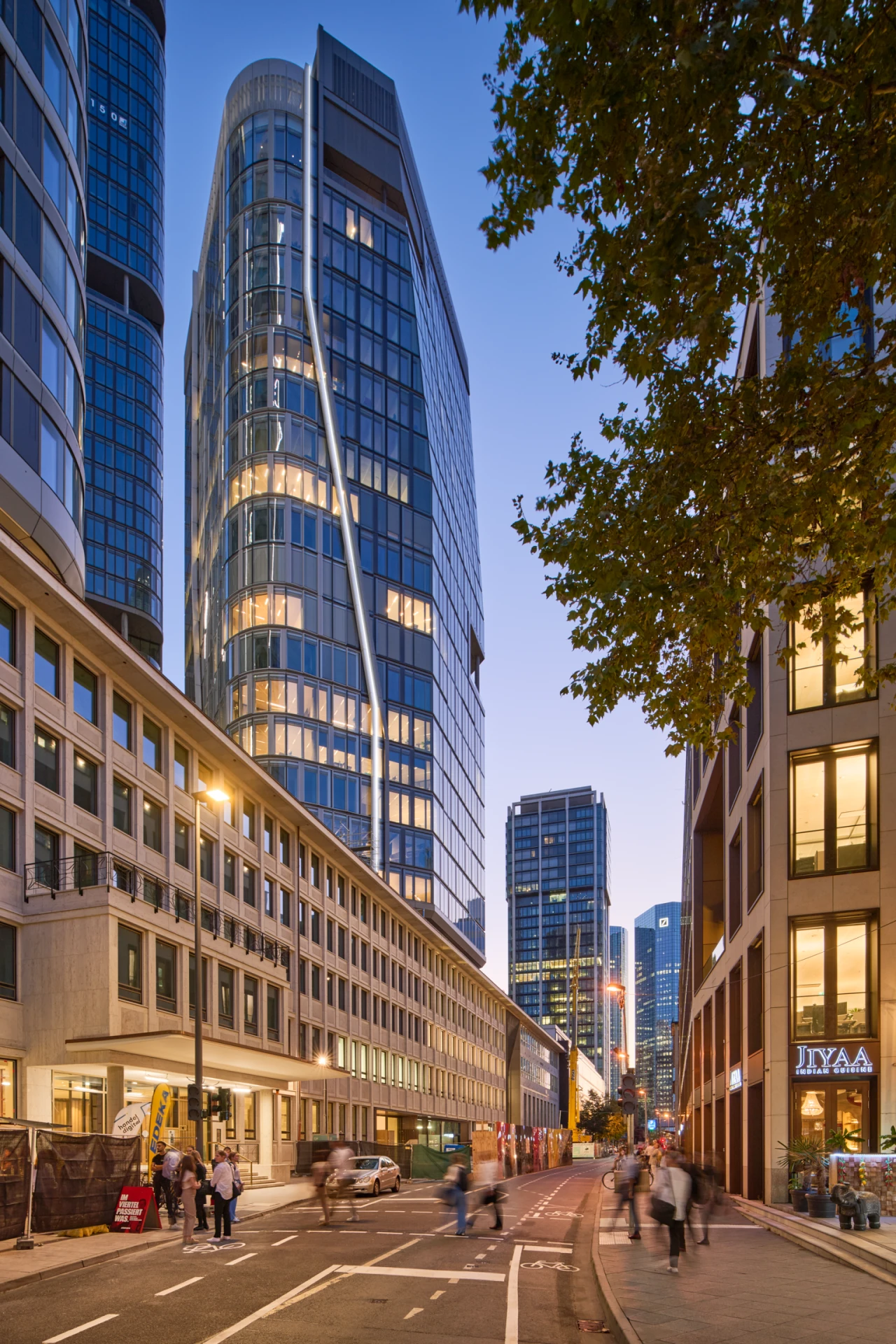
In terms of its practical purpose, architectural photography is first and foremost a service. Companies in the architecture and construction industries commission photographers to professionally document their completed projects. The focus here is not on the image as an independent work of art, but on the visible realization of the architectural concept: What effect does the space have? How can the lighting, materials, and proportions be experienced in the built environment? The task of architectural photography is to convey this intention as precisely and atmospherically as possible. Light plays a key role here as well—not merely as a visual element, but in relation to the architectural design and to create an evocative atmosphere in the image. It supports the architect’s vision, highlights details, or guides the viewer’s gaze.

Architectural photography as an art genre: when architecture fades into the background
Architectural photography can, however, also function as a form of art. The industrial photographs by Bernd and Hilla Becher offer a radical example of how sober documentation can fill the artistic space. Their systematic photographic documentation of industrial architecture reduced buildings to their pure form and structure, detaching them from their functional purpose. The photograph depicts the architecture in a way that is as holistic as possible, yet at the same time minimalist.
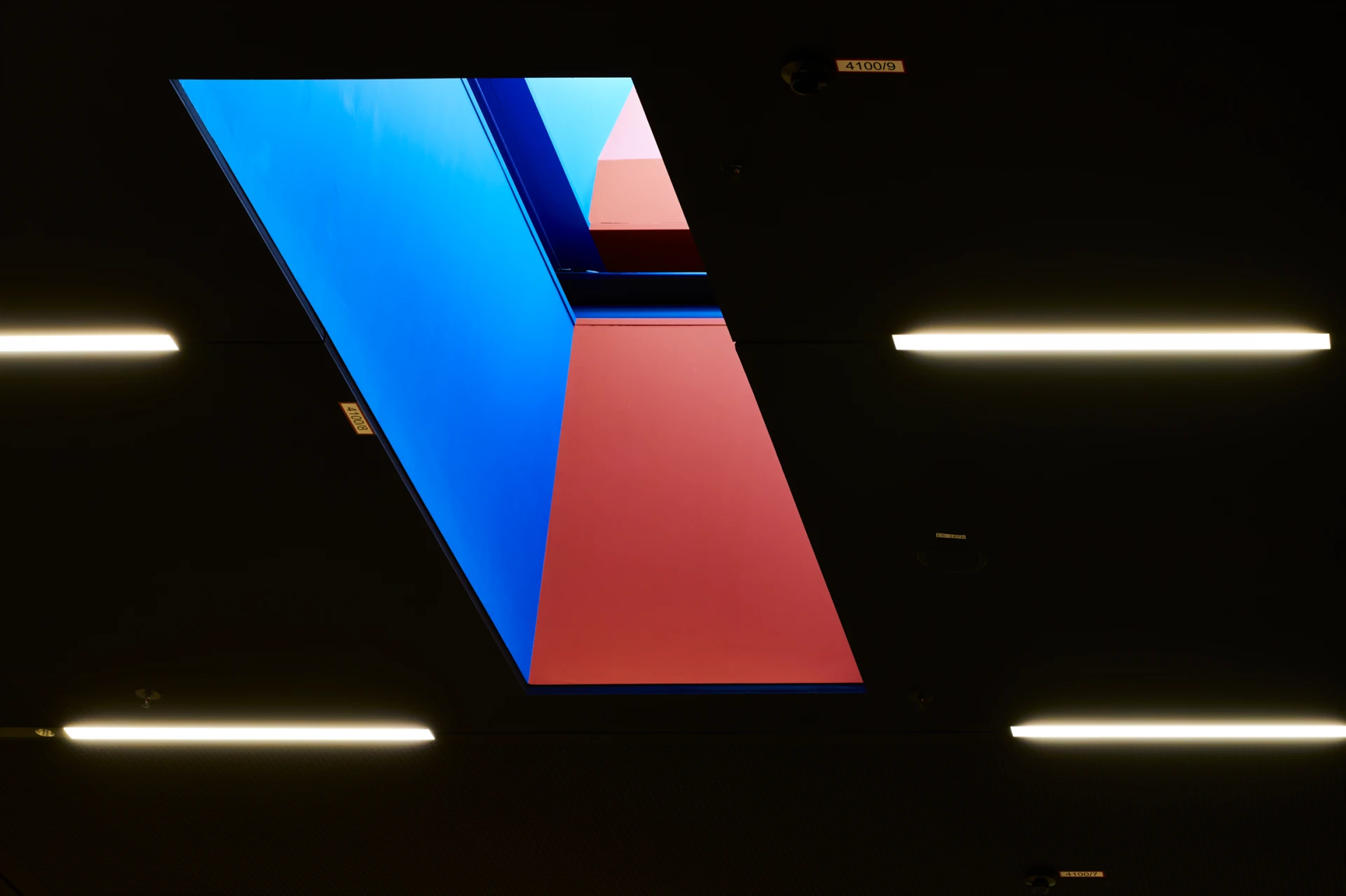
The artistic interpretation of architectural photography emerges at the boundary between representation and autonomy. The moment the photograph lets go of the explanatory aspect of representation and is viewed as an image in its own right, it moves away from documentation and toward art. Artistic architectural photography is not a documentary representation of architecture, but merely references it. Architecture becomes a source of inspiration and a formal concept. Abstracted details, graphic surfaces, light patterns, or material contrasts become the defining elements of the image. The result is photographs that stand on their own and possess an intrinsic aesthetic value. The reference to reality recedes into the background. One could say: At the point where it is no longer decisive whether the subject is a building, photography begins to detach itself from architecture.
And what about the architecture itself - art or function?
Architecture and photography are undoubtedly to be understood as distinct artistic disciplines. They each have their own forms of expression, their own rules, and their own stylistic devices. Architectural photography, however, as the intersection of these two fields, remains, in its fundamental function, a medium of objective documentation. Its primary purpose is to visually represent architectural visions. It brings design ideas to life, translates spatial concepts into images, and remains true to the architects’ intentions. Here, function is always the primary focus. However, it can also be granted artistic creativity, just as architecture itself incorporates artistic elements. The only important thing here is that architecture itself remains the central subject. Design does not have to be purely utilitarian to be effective. But it must maintain its focus so as not to lose its message. When asked, “Does form follow function?” the answer for architectural photography is clear: Yes, it follows its documentary purpose.
Conclusion: Form follows function - with room for interpretation
Architecture and photography are undoubtedly to be understood as distinct artistic disciplines. They each have their own forms of expression, their own rules, and their own stylistic devices. Architectural photography, however, as the intersection of these two fields, remains, in its fundamental function, a medium of objective documentation. Its primary purpose is to visually represent architectural visions. It brings design ideas to life, translates spatial concepts into images, and remains true to the architects’ intentions. Here, function is always the primary focus. However, it can also be granted artistic creativity, just as architecture itself incorporates artistic elements. The only important thing here is that architecture itself remains the central subject. Design does not have to be purely utilitarian to be effective. But it must maintain its focus so as not to lose its message. When asked, “Does form follow function?” the answer for architectural photography is clear: Yes, it follows its documentary purpose.